Advanced Multi-Level Organization System for Complete Collection Management
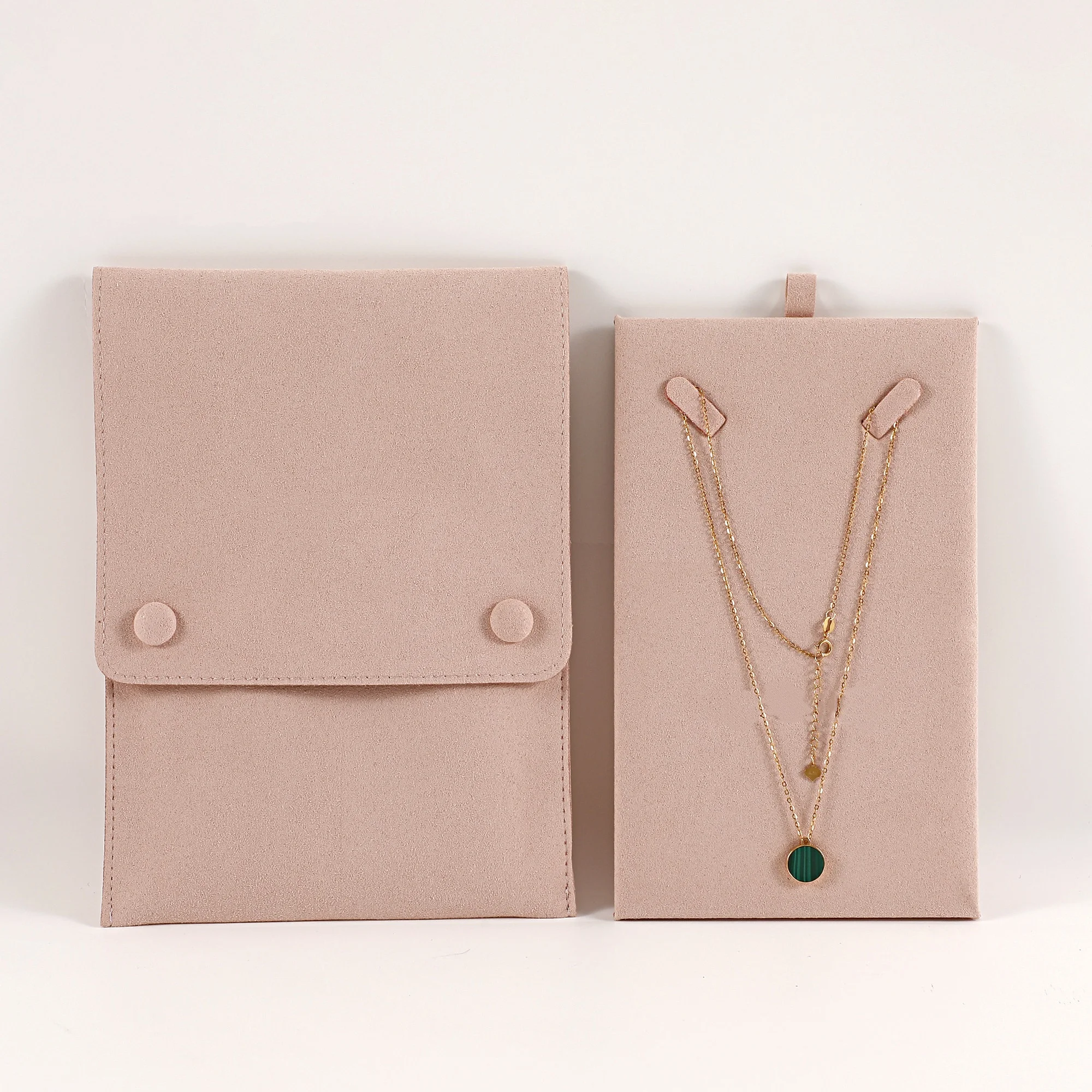
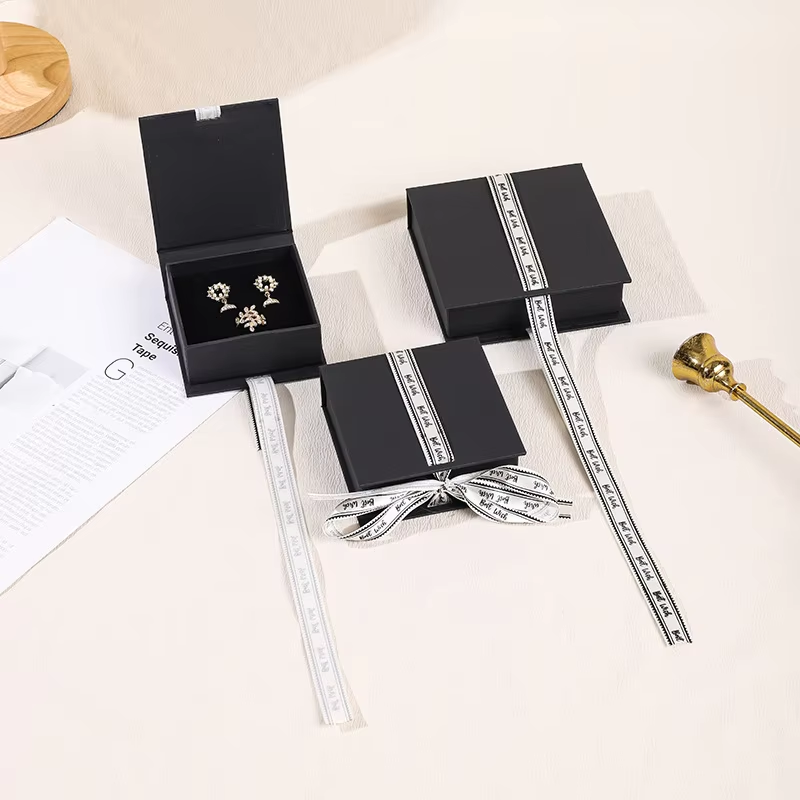
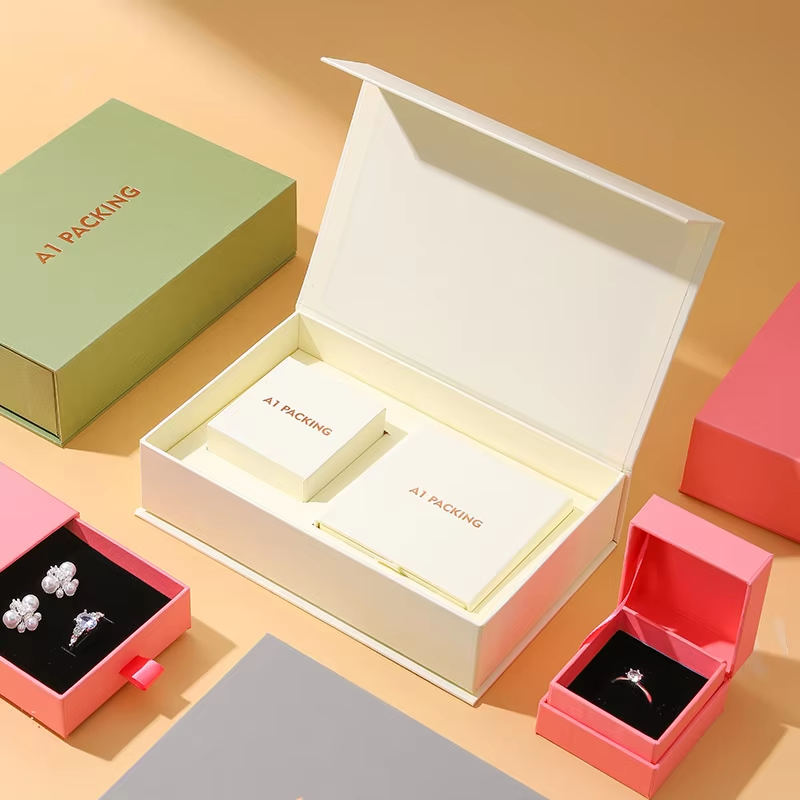
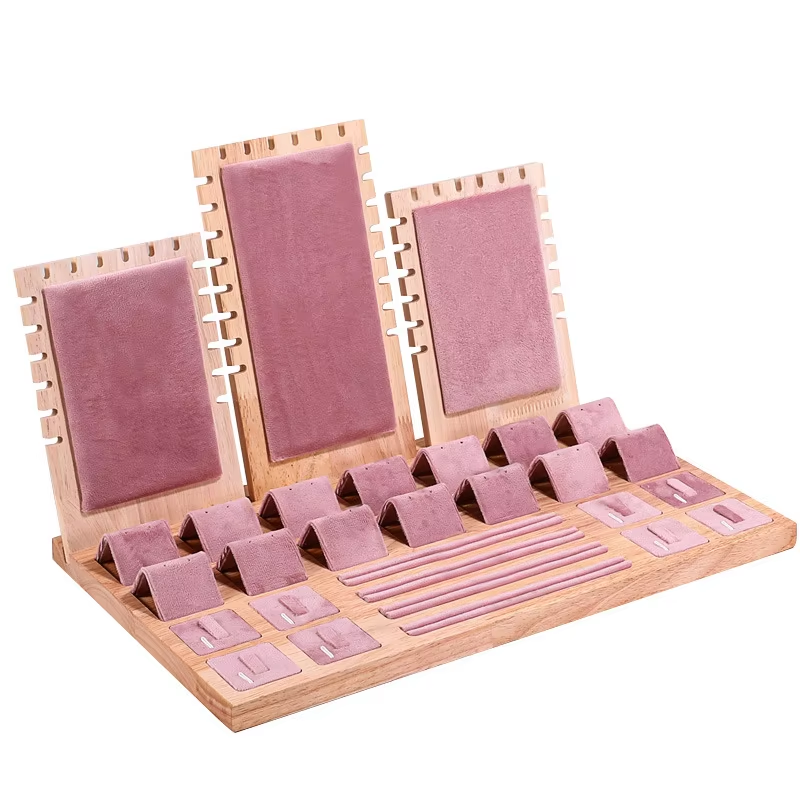
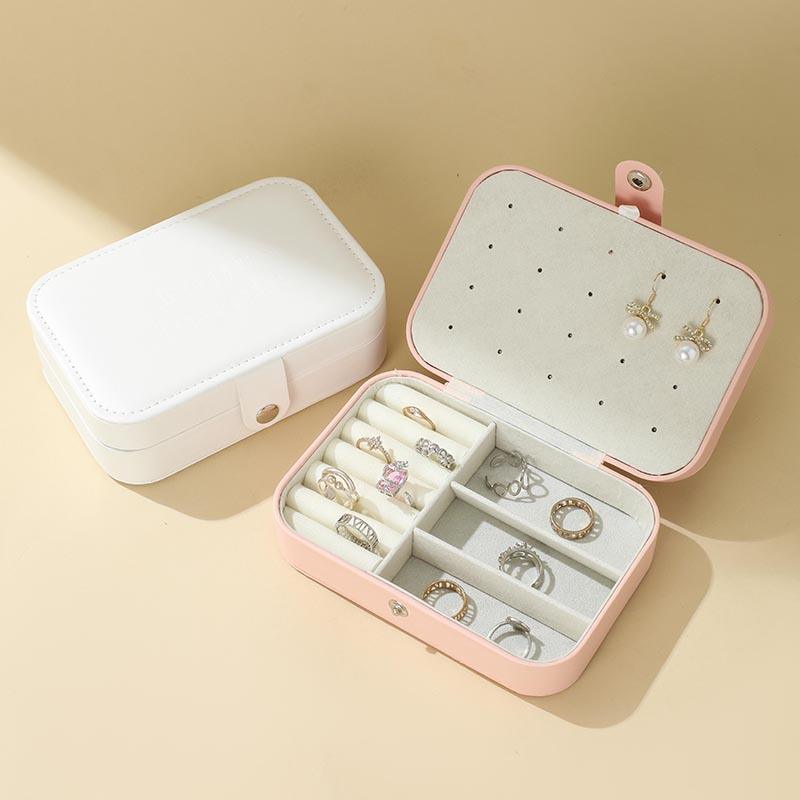
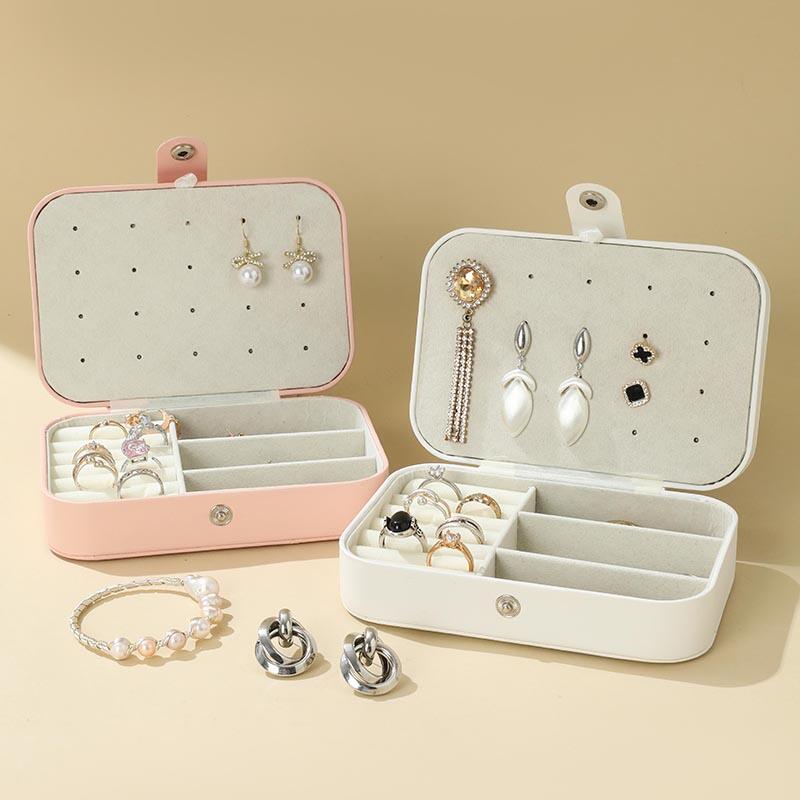
The organizational capabilities of a nice jewelry box represent perhaps its most transformative feature, fundamentally changing how you interact with your accessories daily. Modern designs employ sophisticated multi-level systems that categorize jewelry by type, size, and usage frequency, creating an intuitive storage hierarchy that matches how you actually wear and select pieces. The top level typically features compartments for frequently worn items, placing your everyday essentials within immediate reach the moment you open the lid. These sections often include ring slots arranged in graduated sizes, stud earring cards with secure backs, and small wells perfect for delicate pendants or bracelets you rotate regularly. The genius of this arrangement lies in its accessibility, eliminating the need to dig through layers to find your go-to pieces during rushed morning routines. Beneath this primary layer, a nice jewelry box incorporates removable trays that lift out to reveal deeper storage zones. These secondary compartments accommodate larger statement pieces, special occasion jewelry, or items worn less frequently. The removable tray design offers remarkable flexibility, allowing you to customize the configuration based on your specific collection composition. Own more necklaces than bracelets? Rearrange the trays accordingly. Accumulated more rings over time? Add specialized ring storage inserts. This adaptability ensures the nice jewelry box grows with your collection rather than becoming obsolete as your jewelry wardrobe evolves. Specialized sections address the unique storage challenges different jewelry types present. Necklace compartments feature individual hooks or compartments with sufficient depth that chains hang freely without touching neighboring pieces, completely eliminating the tangled mess that plagues drawer storage. Some nice jewelry box designs incorporate innovative roll-up necklace organizers within the structure, where chains attach to a fabric panel that rolls and unrolls, keeping each piece separate yet compact. Earring storage evolves beyond simple compartments to include padded backing cards, transparent windows for quick identification, and secure closures that prevent backs from separating from posts. Watch collectors benefit from cylindrical pillows that maintain band shape and prevent creasing in leather straps, while bracelet bars prevent bangles from scratching each other. The organizational system extends to practical details like corner notches that allow chains to pass through layers without catching when trays are removed, and varied compartment depths that prevent tall rings from interfering with tray stacking. This thoughtful engineering means every cubic inch serves a purpose, maximizing storage density without creating clutter. The psychological benefits of this organization prove equally valuable. When your jewelry collection exists in a state of order rather than chaos, you develop a better relationship with your accessories. You remember what you own, appreciate each piece individually, and make more intentional wearing decisions rather than defaulting to the same few items left on your dresser. This organizational clarity also helps you identify gaps in your collection and avoid duplicate purchases, making future jewelry acquisitions more strategic and satisfying.

 EN
EN