
 EN
EN



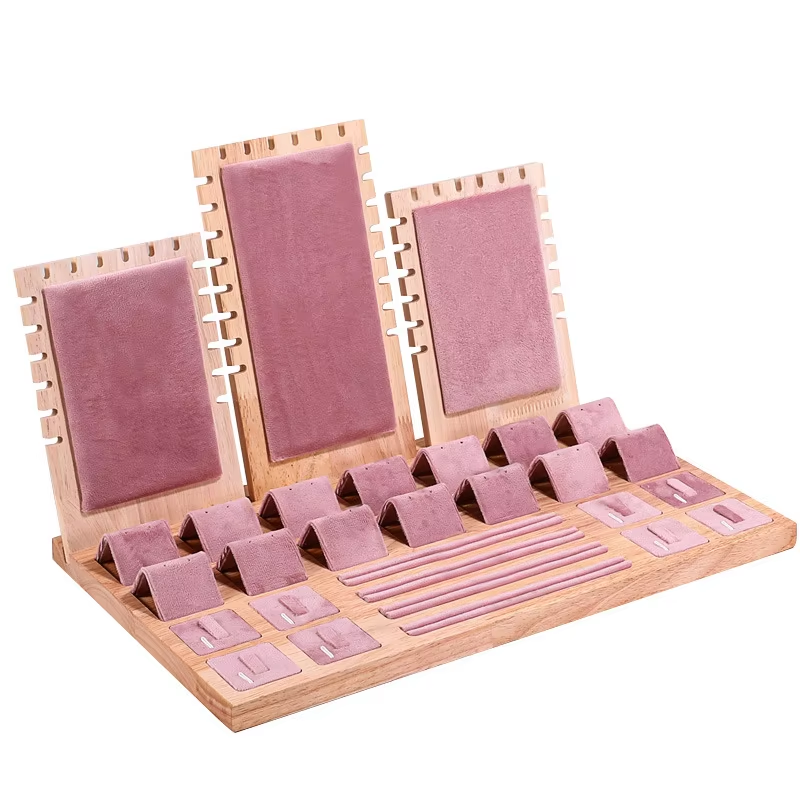
In the competitive landscape of jewelry retail, the way products are presented can dramatically influence customer perception, purchasing decisions, and overall brand positioning. Custom jewelry display solutions offer retailers a strategic advantage by transforming ordinary showcases into compelling brand experiences that highlight the unique characteristics of each piece. Unlike generic display fixtures that follow standardized dimensions and aesthetics, custom solutions are meticulously designed to align with specific brand identities, product collections, and spatial requirements. These tailored approaches to jewelry presentation address the multifaceted challenges retailers face, from maximizing visual impact in limited spaces to creating memorable shopping experiences that differentiate their stores from competitors. Understanding the comprehensive advantages of custom jewelry display options enables retailers to make informed investment decisions that deliver measurable returns through enhanced product visibility, improved customer engagement, and strengthened brand recognition.
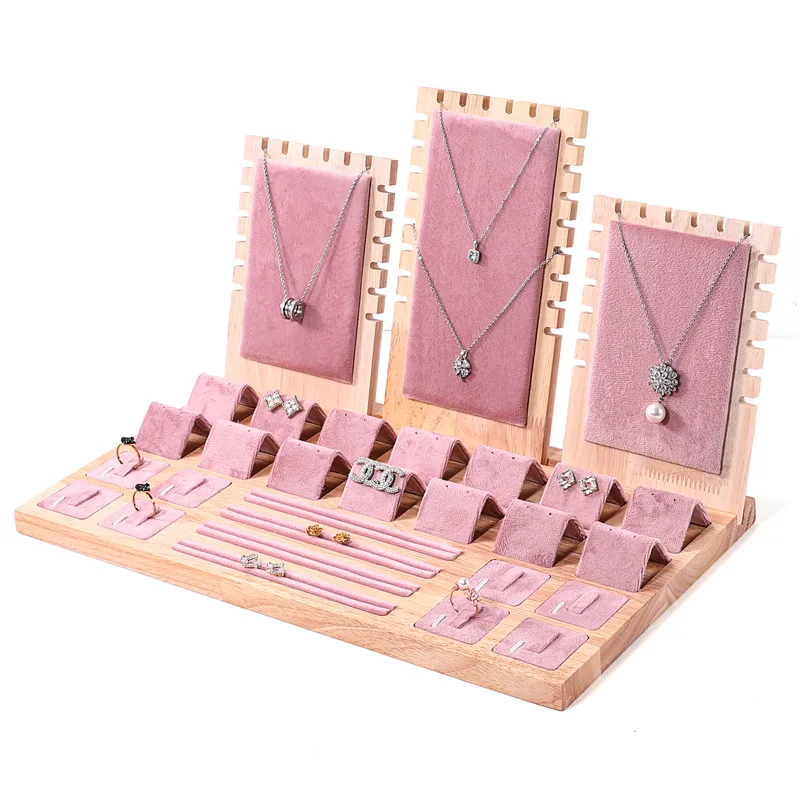
The fundamental advantage of custom jewelry display solutions lies in their ability to solve specific presentation challenges that standard fixtures cannot address effectively. Retailers working with diverse product ranges, from delicate gemstone rings to statement necklaces, require display systems that accommodate varying dimensions, weights, and security needs while maintaining aesthetic coherence. Custom solutions provide the flexibility to integrate specialized features such as adjustable heights, modular configurations, and product-specific holders that ensure each piece is showcased in its most flattering angle and lighting condition. Beyond functional considerations, custom displays serve as silent brand ambassadors, communicating quality standards, design philosophy, and market positioning through material selection, craftsmanship details, and visual presentation strategies. This comprehensive approach to jewelry presentation transforms the display from a mere functional necessity into a strategic retail asset that drives both immediate sales and long-term brand equity.
Brand Identity Reinforcement Through Custom Design
Visual Consistency Across Retail Environments
Custom jewelry display solutions provide unparalleled opportunities for establishing and maintaining visual consistency across multiple retail touchpoints. When retailers invest in tailored display systems, they gain control over every aesthetic element, from color palettes and material finishes to dimensional proportions and decorative accents. This level of customization ensures that the jewelry display becomes an integral component of the overall brand experience rather than a generic fixture that conflicts with carefully cultivated brand aesthetics. The consistency achieved through custom solutions extends beyond individual store locations, enabling brands to replicate their signature presentation style across flagship stores, boutique outlets, and department store concessions. This visual coherence reinforces brand recognition and creates a sense of familiarity that enhances customer confidence and loyalty. Furthermore, custom displays can incorporate brand-specific elements such as logos, signature colors, and proprietary design motifs that transform standard retail spaces into distinctive brand environments.
Material Selection as Brand Communication
The materials chosen for custom jewelry display fixtures communicate powerful messages about brand values, quality standards, and target market positioning. Luxury jewelry retailers often select premium materials such as solid wood, leather, velvet, and metal finishes that mirror the craftsmanship and value of the jewelry itself. These material choices create a tactile and visual harmony between product and presentation, enhancing perceived value and justifying premium pricing strategies. Conversely, contemporary jewelry brands might opt for innovative materials like acrylic, sustainable composites, or minimalist metal frameworks that convey modernity, innovation, and environmental consciousness. The ability to specify exact materials, finishes, and construction methods ensures that the jewelry display aligns perfectly with brand positioning and customer expectations. This strategic material selection extends to functional components as well, with custom solutions incorporating specialized linings, protective surfaces, and secure mounting systems that demonstrate attention to detail and commitment to product protection.
Architectural Integration and Spatial Harmony
Custom jewelry display solutions excel in their capacity to integrate seamlessly with existing architectural elements and spatial configurations. Retail environments present unique challenges in terms of available space, lighting conditions, traffic flow patterns, and structural constraints that standard fixtures cannot accommodate effectively. Custom designs address these challenges by incorporating precise measurements, adaptive configurations, and architectural considerations that maximize display effectiveness within specific spatial contexts. This tailored approach ensures that the jewelry display enhances rather than competes with architectural features, creating a cohesive retail environment where products, fixtures, and surroundings work in visual harmony. The integration extends to lighting systems, with custom solutions incorporating specialized illumination strategies that highlight gemstone brilliance, metal finishes, and intricate details while minimizing glare and heat exposure. By designing displays that respond to specific spatial conditions, retailers optimize every square meter of retail space, transforming challenging layouts into strategic presentation opportunities.
Enhanced Product Presentation and Visual Impact
Optimized Viewing Angles and Ergonomic Design
One of the most significant advantages of custom jewelry display solutions is their ability to present products at optimal viewing angles that maximize visual appeal and facilitate customer interaction. Generic display fixtures often position jewelry at standardized heights and angles that may not suit all product types or customer demographics. Custom solutions address this limitation by incorporating ergonomic research and retail psychology principles into their design. Display surfaces can be angled, tiered, or contoured to present rings, earrings, necklaces, and bracelets at eye level and in positions that encourage natural viewing and engagement. This strategic positioning reduces physical barriers between customers and products, making it easier for shoppers to examine details, appreciate craftsmanship, and envision themselves wearing the pieces. The ergonomic advantages extend to retail staff as well, with custom displays facilitating efficient product access, inventory management, and customer service interactions that enhance operational efficiency and sales conversion rates.
Specialized Features for Different Jewelry Categories
Custom jewelry display solutions enable retailers to incorporate specialized features tailored to specific product categories, ensuring that each type of jewelry is showcased in the most effective manner. Ring displays might include graduated slots, rotating platforms, or individual pedestals that isolate each piece and facilitate close examination. Necklace displays benefit from custom-designed busts, hanging systems, or layered presentations that prevent tangling while showcasing design details and length variations. Earring presentations require secure mounting systems that keep pairs together while allowing customers to visualize how the pieces frame the face. Bracelet displays incorporate specialized forms that maintain shape integrity while demonstrating scale and closure mechanisms. These category-specific features transform the Jewelry Display from a one-size-fits-all solution into a precision tool that addresses the unique presentation requirements of diverse product collections, ultimately enhancing product appeal and purchase consideration.
Dynamic Presentation Capabilities
The dynamic capabilities of custom jewelry display solutions provide retailers with flexibility to adapt presentations based on seasonal trends, promotional campaigns, and inventory changes. Unlike fixed standard fixtures, custom designs can incorporate modular components, adjustable elements, and reconfigurable sections that enable frequent display updates without requiring complete fixture replacement. This adaptability is particularly valuable for retailers who regularly introduce new collections, rotate inventory based on seasonal demand, or test different merchandising strategies. Modular systems allow for quick transformations from dense product arrangements during peak selling seasons to more spacious, editorial-style presentations during slower periods. The ability to refresh displays easily maintains customer interest, encourages repeat visits, and creates opportunities to highlight specific products or collections without significant time or financial investment. This dynamic approach to jewelry presentation ensures that display fixtures remain relevant and effective throughout their lifecycle rather than becoming static elements that fade into the retail background.
Security Integration and Loss Prevention
Customized Security Features Without Compromising Aesthetics
Custom jewelry display solutions address the critical balance between security requirements and aesthetic appeal through integrated protection features that remain virtually invisible to customers. Standard security measures often involve bulky locks, obvious surveillance equipment, and physical barriers that create psychological distance between customers and products. Custom solutions incorporate sophisticated security elements such as concealed locking mechanisms, integrated alarm systems, and reinforced construction that protect valuable inventory without creating the atmosphere of distrust that can negatively impact shopping experiences. These security features can be seamlessly integrated into the display design, with locks hidden within decorative elements, alarm sensors incorporated into lighting systems, and reinforced materials selected for both protective and aesthetic properties. The result is a jewelry display that maintains an open, inviting appearance while providing comprehensive protection against theft and unauthorized access. This integrated approach to security enables retailers to present high-value items confidently in accessible formats that encourage customer interaction and purchase consideration.
Product-Specific Protection Mechanisms
The customization advantages extend to product-specific protection mechanisms that address the unique vulnerabilities of different jewelry types and materials. Delicate gemstones require displays that minimize vibration and physical shock, while precious metals need protection from scratching and tarnishing. Custom jewelry display solutions incorporate specialized materials such as velvet linings, soft leather surfaces, and anti-tarnish fabrics that provide physical protection while enhancing visual presentation. Individual compartments and secure mounting systems prevent jewelry pieces from contacting each other, reducing the risk of damage during customer browsing or staff handling. For high-value items, custom displays can include individual lockable compartments, removable sections for secure storage, and quick-release mechanisms that facilitate efficient inventory movement while maintaining security protocols. These product-specific protection features demonstrate professional care standards that enhance customer confidence and preserve inventory value, ultimately contributing to better margins and reduced loss rates.
Controlled Access and Staff Efficiency
Custom jewelry display solutions optimize the balance between customer accessibility and controlled access through thoughtful design features that facilitate staff-assisted selling while maintaining security. High-value jewelry retail often requires staff intervention for product examination, creating operational challenges around efficient access, customer service flow, and security maintenance. Custom displays address these challenges through features such as rear-access panels, sliding sections, and lift-out trays that enable staff to retrieve products quickly and gracefully without disrupting display aesthetics or creating security vulnerabilities. These access features can be positioned strategically to facilitate natural customer service interactions while maintaining visual appeal from customer-facing perspectives. The efficiency gained through optimized access systems reduces customer wait times, enables smoother sales interactions, and allows staff to focus on relationship building rather than struggling with cumbersome display mechanisms. This operational advantage translates directly into improved customer satisfaction, higher conversion rates, and more efficient use of staff resources during peak traffic periods.
Space Optimization and Flexible Configurations
Maximizing Display Capacity in Limited Footprints
Retail space represents a significant cost factor for jewelry retailers, making efficient space utilization a critical business concern. Custom jewelry display solutions excel in maximizing display capacity within limited footprints through vertical integration, multi-tiered arrangements, and strategic density management that standard fixtures cannot achieve. By designing displays that respond to specific spatial constraints, retailers can showcase significantly more inventory without creating cluttered or overwhelming presentations. Custom solutions incorporate intelligent spacing algorithms that balance product density with visual breathing room, ensuring that increased capacity does not compromise individual product visibility or customer browsing comfort. Vertical display elements utilize overhead space effectively, drawing customer attention upward and creating dynamic visual interest while freeing valuable counter and floor space for high-priority items or customer interaction areas. This three-dimensional approach to space optimization transforms limited retail footprints into productive selling environments that generate higher revenue per square meter compared to conventional display strategies.
Modular Systems for Evolving Business Needs
The modular capabilities of custom jewelry display solutions provide long-term value through adaptability to evolving business needs, product assortments, and retail strategies. Unlike monolithic standard fixtures that become obsolete as business requirements change, modular custom systems incorporate interchangeable components, expandable frameworks, and reconfigurable sections that grow and adapt alongside the business. Retailers can add display capacity as inventory expands, reconfigure layouts to accommodate new product categories, or adjust presentation styles to reflect evolving brand positioning without discarding existing investment. This modular approach significantly reduces the total cost of ownership by extending fixture lifespan and eliminating the need for complete replacement during business evolution phases. The flexibility extends to seasonal adaptations, with modules that can be added for peak selling periods and removed during slower seasons to create more spacious presentations. This strategic flexibility enables retailers to respond quickly to market opportunities, test new merchandising concepts, and optimize display configurations based on performance data without major capital expenditure or operational disruption.
Multi-Channel Presentation Consistency
In the era of omnichannel retail, custom jewelry display solutions support consistency across physical stores, pop-up locations, trade shows, and branded wholesale environments. Retailers operating across multiple channels face the challenge of maintaining brand recognition and presentation standards in diverse settings with varying spatial configurations and operational constraints. Custom display systems address this challenge through scalable designs that adapt to different contexts while preserving core brand aesthetics and presentation principles. Flagship store displays can be simplified for smaller boutique locations, trade show versions can emphasize portability while maintaining visual impact, and wholesale displays can reinforce brand identity in third-party retail environments. This multi-channel consistency strengthens brand recognition, creates familiar touchpoints for customers who encounter the brand in different contexts, and demonstrates professional standards that build retailer and consumer confidence. The ability to adapt custom display solutions across channels maximizes return on design investment while ensuring that brand presentation remains coherent and compelling regardless of selling environment.
Return on Investment and Long-Term Value
Durability and Quality Construction
The superior construction quality of custom jewelry display solutions delivers significant long-term value advantages compared to mass-produced alternatives. When retailers invest in custom displays, they typically specify premium materials, advanced construction techniques, and quality standards that result in fixtures capable of withstanding years of intensive retail use without degradation. Solid wood frameworks, reinforced joints, professional finishing techniques, and commercial-grade materials ensure that custom displays maintain their aesthetic appeal and structural integrity throughout extended service lives. This durability translates directly into lower replacement costs, reduced maintenance requirements, and sustained brand presentation quality that preserves the initial investment value. The quality construction of custom displays also supports higher inventory values by providing secure, protective environments that minimize product damage and preserve jewelry condition. Over multi-year periods, the total cost of ownership for quality custom displays often proves lower than repeatedly replacing cheaper standard fixtures that deteriorate quickly under retail conditions, making custom solutions a fiscally responsible choice for retailers focused on long-term value rather than short-term cost minimization.
Sales Performance Enhancement
Custom jewelry display solutions contribute directly to improved sales performance through enhanced product visibility, better customer engagement, and more effective merchandising strategies. Research consistently demonstrates that product presentation quality significantly influences purchase decisions, with well-displayed jewelry commanding higher perceived value and generating stronger purchase intent compared to poorly presented alternatives. Custom displays optimize every aspect of product presentation, from lighting angles that maximize gemstone brilliance to positioning strategies that guide customer attention toward high-margin items. The enhanced visual impact created by custom solutions increases browse-to-purchase conversion rates, with customers more likely to engage with products that are presented professionally and accessibly. The improved sales performance extends to average transaction values as well, with effective display strategies encouraging customers to consider multiple items, complementary pieces, and higher-value alternatives. Over time, these incremental improvements in conversion rates and transaction values generate substantial revenue increases that far exceed the initial investment in custom display solutions, delivering measurable return on investment that validates the strategic decision to pursue customized presentation approaches.
Brand Equity and Competitive Differentiation
The contribution of custom jewelry display solutions to brand equity and competitive differentiation represents a crucial but often undervalued advantage. In saturated jewelry markets where product offerings and pricing strategies become increasingly similar, the presentation environment becomes a primary differentiator that influences customer choice. Custom displays create distinctive retail experiences that customers remember and associate with specific brands, building emotional connections that transcend product features and pricing considerations. The uniqueness of custom presentation approaches signals brand confidence, quality commitment, and customer respect that enhance overall brand perception and justify premium positioning. This differentiation advantage becomes particularly valuable in competitive retail environments where multiple jewelry retailers operate in proximity, with distinctive display aesthetics helping customers identify and prefer specific brands. The long-term brand equity built through consistent, high-quality custom display environments creates customer loyalty, word-of-mouth marketing, and pricing power that deliver ongoing competitive advantages and business resilience. This strategic brand-building function of custom jewelry display solutions extends their value proposition far beyond immediate functional benefits into the realm of sustainable competitive advantage.
FAQ
How much more expensive are custom jewelry display solutions compared to standard fixtures?
Custom jewelry display solutions typically cost between thirty to seventy percent more than comparable standard fixtures initially, but this cost differential must be evaluated against total lifecycle value rather than upfront price alone. The higher initial investment reflects superior materials, specialized design work, precision manufacturing, and features specifically tailored to business needs. However, custom displays generally last two to three times longer than standard fixtures, require less frequent replacement, and deliver measurable performance advantages through improved sales conversion and reduced product damage. When calculated over a five to ten year period, the total cost of ownership for quality custom displays often equals or becomes lower than repeatedly purchasing standard fixtures while delivering substantially better business outcomes. Additionally, custom solutions eliminate the hidden costs of compromised brand presentation, missed sales opportunities, and operational inefficiencies that standard fixtures impose, making them a cost-effective choice for retailers focused on long-term business success rather than short-term expense minimization.
Can custom jewelry display solutions be modified or expanded after initial installation?
Most professionally designed custom jewelry display systems incorporate modular principles and expansion capabilities that facilitate future modifications without requiring complete replacement. During the initial design phase, experienced display manufacturers typically discuss future business scenarios and incorporate flexibility features that accommodate anticipated growth, product line expansions, or presentation strategy changes. Modular components can be reordered to expand capacity, interchangeable panels allow aesthetic updates, and flexible mounting systems enable reconfiguration as needed. The extent of modification capability depends on the original design approach, with systems specifically engineered for adaptability offering significantly more flexibility than highly specialized custom solutions designed for specific fixed requirements. Retailers planning custom jewelry display investments should explicitly discuss future modification needs during the design consultation phase, ensuring that the resulting solution balances current requirements with reasonable future flexibility. This forward-thinking approach maximizes long-term investment value while providing the immediate custom benefits that address current business needs and presentation objectives.
What timeline should retailers expect for custom jewelry display development and installation?
The timeline for custom jewelry display development typically ranges from six to sixteen weeks depending on design complexity, material availability, manufacturing requirements, and installation scope. The process begins with a consultation and design phase lasting two to four weeks, during which retailers communicate requirements, review design concepts, approve materials, and finalize specifications. Following design approval, manufacturing typically requires four to eight weeks for quality construction using specified materials and finishes. Complex projects involving specialized materials, intricate details, or large-scale installations may extend this timeline, while simpler custom solutions can sometimes be expedited. Installation duration varies based on project scope, with single display units requiring only hours while complete store buildouts may need several days. Retailers should plan custom jewelry display projects well in advance of critical deadlines such as store openings, major remodels, or peak selling seasons. Experienced display manufacturers provide detailed timeline projections during initial consultations and maintain communication throughout the development process to ensure alignment with business schedules and to address any potential delays proactively before they impact retail operations or planned launch dates.
Do custom jewelry display solutions require special maintenance compared to standard fixtures?
Custom jewelry display solutions generally require similar basic maintenance to standard fixtures but often incorporate higher-quality materials that actually simplify care requirements while maintaining appearance over longer periods. Premium materials such as solid wood with professional finishes, quality leather, and durable metal coatings typically resist wear, staining, and degradation better than the synthetic materials common in standard fixtures. Maintenance usually involves regular dusting, periodic cleaning with appropriate materials, and occasional inspection of mechanical components such as locks or adjustable elements. Many custom display manufacturers provide specific care instructions tailored to the materials and finishes used, ensuring that retailers understand optimal maintenance practices. The superior construction quality of custom solutions often results in fewer repair needs compared to standard fixtures that may experience joint failures, surface degradation, or mechanical problems. Some custom displays incorporate easily replaceable components such as fabric liners or protective surfaces that can be refreshed periodically to maintain pristine appearance without replacing entire fixtures. This thoughtful design approach actually reduces long-term maintenance burden while ensuring that the jewelry display continues presenting products effectively throughout its extended service life, contributing to overall operational efficiency and sustained brand presentation quality.
Table of Contents
- Brand Identity Reinforcement Through Custom Design
- Enhanced Product Presentation and Visual Impact
- Security Integration and Loss Prevention
- Space Optimization and Flexible Configurations
- Return on Investment and Long-Term Value
-
FAQ
- How much more expensive are custom jewelry display solutions compared to standard fixtures?
- Can custom jewelry display solutions be modified or expanded after initial installation?
- What timeline should retailers expect for custom jewelry display development and installation?
- Do custom jewelry display solutions require special maintenance compared to standard fixtures?