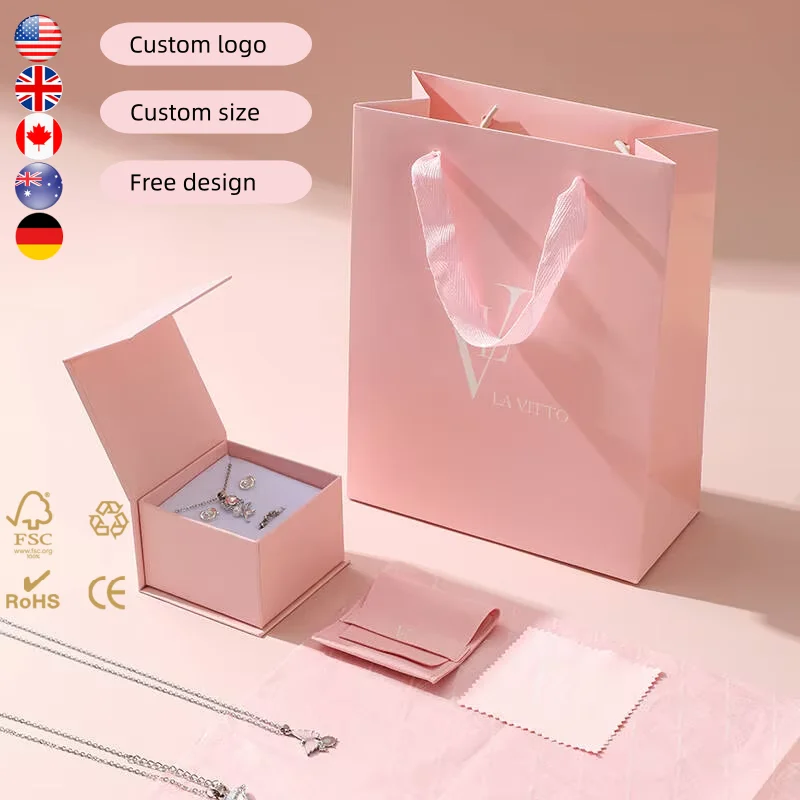
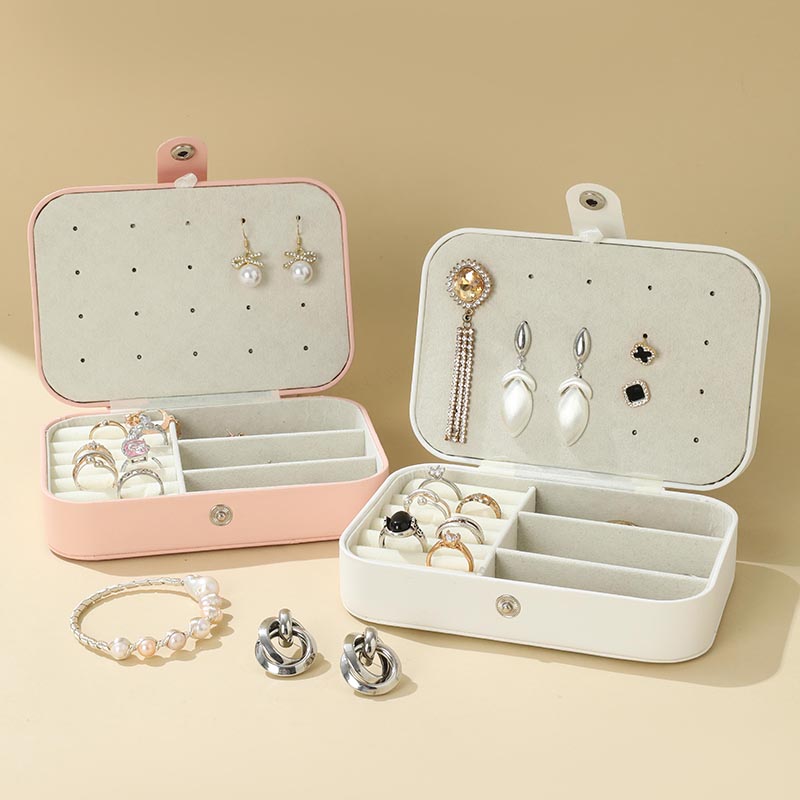
Selecting the appropriate jewelry packaging for retail environments requires a strategic understanding of brand positioning, customer expectations, and operational realities. Luxury brands and fast-fashion retailers operate under fundamentally different business models, which directly influence their packaging decisions. While luxury jewelry packaging emphasizes exclusivity, tactile quality, and brand storytelling through premium materials and elaborate construction, fast-fashion retail prioritizes cost efficiency, rapid turnover, and visual appeal within tight budget constraints. The distinction between these two approaches is not merely aesthetic but reflects deeper strategic choices about brand perception, customer experience, and margin structures. Understanding which jewelry packaging aligns with your retail category ensures that your presentation reinforces rather than undermines your market positioning.

The functional requirements of jewelry packaging differ significantly between luxury and fast-fashion contexts, extending beyond superficial appearance to encompass durability expectations, unboxing psychology, and post-purchase utility. Luxury customers anticipate packaging that serves as a keepsake, storage solution, and tangible representation of their investment, while fast-fashion consumers expect adequate protection and visual appeal without paying a premium for packaging itself. This fundamental divergence shapes material selection, structural complexity, customization depth, and ultimately the unit economics of each packaging solution. Retailers who misalign their jewelry packaging with their market segment risk either eroding margins through over-specification or damaging brand perception through inadequate presentation, making this decision critical to both financial performance and competitive positioning.
Material Quality and Construction Standards for Different Retail Tiers
Premium Materials That Define Luxury Jewelry Packaging
Luxury jewelry packaging typically employs rigid materials such as solid wood, high-density cardboard with multiple layers, or reinforced chipboard exceeding 1200 GSM weight specifications. These materials provide structural integrity that communicates permanence and value, creating tactile feedback that aligns with high-price-point merchandise. The surface treatments applied to luxury jewelry packaging often include genuine leather wrapping, velvet flocking, silk fabric lamination, or specialized paper stocks with cotton content percentages above thirty percent. These material choices deliver sensory experiences that justify premium pricing and reinforce brand exclusivity through every touch point of the customer journey.
The construction methodology for luxury jewelry packaging involves multi-component assembly with precision tolerances, often incorporating magnetic closures, ribbon pull mechanisms, or custom-engineered hinge systems. Interior components feature foam inserts precisely die-cut to jewelry dimensions, satin or velvet cushioning secured through hand-application processes, and compartmentalization that protects individual pieces while creating visual drama during unboxing. The manufacturing specifications for luxury jewelry packaging demand quality control protocols that inspect surface finishes for imperfections, verify closure alignment within millimeter tolerances, and ensure consistent color matching across production batches. This level of construction detail increases unit costs substantially but creates packaging that customers retain for years, extending brand exposure far beyond the initial purchase moment.
Cost-Optimized Materials for Fast-Fashion Jewelry Packaging
Fast-fashion jewelry packaging relies on lightweight materials that minimize both material costs and shipping expenses, typically utilizing cardboard stocks between 250-400 GSM or injection-molded plastics with minimal wall thickness. These specifications provide adequate protection for lower-value merchandise while maintaining profitability on items with slim margins. The surface treatments applied to fast-fashion jewelry packaging focus on printability and visual impact rather than tactile luxury, employing offset printing, digital printing, or foil stamping applied through automated processes that scale efficiently. Material selection for fast-fashion contexts prioritizes consistency, availability, and compatibility with high-speed manufacturing equipment rather than unique sensory characteristics.
The structural design of fast-fashion jewelry packaging emphasizes simplicity and assembly efficiency, often featuring single-piece folding cartons, snap-together plastic cases, or pouch-style formats that eliminate complex closure mechanisms. Interior protection typically consists of printed cardboard inserts, simple foam pads, or plastic trays that secure jewelry adequately without hand-assembly requirements. The manufacturing approach for fast-fashion jewelry packaging leverages automation, standardized sizing, and minimal customization to achieve unit costs that represent a small percentage of retail price. This packaging fulfills its protective and presentational functions during the brief period between purchase and first use, after which most consumers discard it rather than repurpose it for storage, reflecting the disposable nature of fast-fashion consumption patterns.
Customization Depth and Brand Expression Strategies
Bespoke Elements That Elevate Luxury Jewelry Packaging
Luxury brands leverage jewelry packaging as a three-dimensional brand canvas, incorporating custom structural designs developed specifically for their product lines and brand identity. This customization extends to proprietary box dimensions that prevent commodity comparisons, unique opening mechanisms that create signature unboxing experiences, and structural elements like hidden compartments or transformation features that surprise and delight customers. The development investment for luxury jewelry packaging often includes industrial design consultation, prototype iterations, and tooling costs that only make economic sense across multi-year production commitments. This barrier to entry simultaneously protects brand distinctiveness and signals the substantial resources behind luxury positioning.
The decoration techniques applied to luxury jewelry packaging include hot foil stamping in multiple metallic finishes, embossing and debossing that create dimensional brand marks, screen printing with specialty inks, and even hand-painted or hand-applied decorative elements for ultra-premium tiers. Logo application follows exacting brand guidelines regarding size, placement, color matching to Pantone specifications, and finish consistency across all packaging components. The customization for jewelry packaging in luxury contexts extends to interior elements, with custom-colored linings, branded cushions, and even scent infusion that creates multisensory brand associations. This comprehensive customization approach transforms jewelry packaging from functional container to brand artifact that customers recognize instantly and associate with specific emotional and status benefits.
Standardized Customization for Fast-Fashion Jewelry Packaging
Fast-fashion retailers approach jewelry packaging customization through template-based systems that allow brand differentiation within standardized structural formats. This methodology utilizes stock box styles available from packaging suppliers, applying brand-specific printing and decoration to pre-engineered dimensions and closure mechanisms. The customization investment focuses on graphic design, print plate development, and color specification rather than structural engineering, dramatically reducing setup costs and lead times. This approach enables seasonal packaging refreshes, promotional variations, and regional adaptations without the tooling investments that luxury customization demands, aligning with the rapid product turnover characteristic of fast-fashion business models.
The decoration complexity for fast-fashion jewelry packaging typically limits customization to one or two print colors, simple logo applications, and pattern designs that work within offset or flexographic printing capabilities. Some fast-fashion brands employ digital printing technologies that enable full-color graphics without plate costs, trading slightly higher unit costs for flexibility in design changes and shorter minimum order quantities. The branding strategy for fast-fashion jewelry packaging often emphasizes trend alignment over timeless brand codes, incorporating seasonal colors, popular patterns, and contemporary typography that resonates with target demographics. This packaging communicates fashion-forwardness and value rather than heritage and permanence, matching the positioning of the merchandise itself and the consumption expectations of customers seeking accessible style rather than investment pieces.
Functional Performance Requirements Across Retail Categories
Protection Standards for High-Value Luxury Merchandise
Luxury jewelry packaging must provide museum-quality protection for merchandise that often represents significant financial investments and emotional value. The structural design incorporates impact absorption features, secure retention mechanisms that prevent movement during handling, and materials that resist compression damage throughout shipping and storage. The interior cushioning systems for luxury jewelry packaging employ multiple density foams, fabric-wrapped inserts, and individual compartments that isolate pieces from contact damage. This protection level extends to environmental factors, with some luxury jewelry packaging incorporating anti-tarnish treatments, moisture barriers, or humidity-control elements that preserve metal finishes and gemstone brilliance during extended storage periods.
The durability expectations for luxury jewelry packaging encompass repeated opening and closing without visible wear, maintenance of structural integrity under normal handling stresses, and resistance to surface damage from transportation and retail display. Luxury brands specify jewelry packaging that withstands international shipping protocols, including container transportation, customs inspection, and multi-stage distribution without compromising appearance or function. The testing protocols for luxury jewelry packaging often include drop tests from specified heights, compression testing under defined loads, and closure cycle testing through hundreds of open-close repetitions. These performance standards ensure that jewelry packaging arrives at customers in pristine condition and continues serving as functional storage throughout the jewelry's lifetime, reinforcing quality perceptions at every interaction.
Adequate Protection with Cost Efficiency for Fast-Fashion Items
Fast-fashion jewelry packaging prioritizes adequate protection for the immediate retail cycle rather than long-term storage functionality. The structural requirements focus on preventing damage during the brief period from warehouse to point-of-sale display to customer bag, accepting that most consumers will not retain this jewelry packaging for extended periods. The interior protection systems employ cost-efficient solutions such as die-cut cardboard inserts, simple foam shapes, or plastic trays that secure jewelry sufficiently without the material investments required for long-term preservation. This protection approach recognizes that fast-fashion jewelry typically features lower intrinsic material value and shorter fashion lifecycles, adjusting packaging specifications accordingly.
The durability standards for fast-fashion jewelry packaging emphasize single-use integrity rather than repeated-use resilience, accepting that packaging may show wear after opening or that closures may not maintain perfect alignment after customer handling. The material selections and construction methods prioritize initial appearance and adequate function over longevity, reducing costs that would add minimal value given typical consumer behavior patterns. Fast-fashion retailers often specify jewelry packaging that meets minimum protection thresholds without engineering over-capacity, understanding that excessive durability represents wasted investment when customers immediately transfer jewelry to personal storage or wear items directly after purchase. This pragmatic approach to protection standards aligns packaging performance with actual usage patterns rather than idealized scenarios.
Economic Considerations and Unit Cost Structures
Luxury Packaging Economics and Margin Structures
Luxury jewelry retailers typically allocate between five and fifteen percent of retail price toward jewelry packaging costs, accepting this investment as essential to brand positioning and customer experience. This allocation enables the premium materials, custom engineering, and quality construction that distinguish luxury presentation from mass-market alternatives. The economic model for luxury jewelry packaging recognizes that customers purchasing high-value items expect presentation quality commensurate with price points, viewing inadequate packaging as incongruent with luxury positioning and potentially damaging to brand perception. The margin structures in luxury retail accommodate higher packaging costs because overall pricing includes substantial markup percentages that preserve profitability despite elevated presentation investments.
The procurement strategy for luxury jewelry packaging often involves long-term supplier relationships, consolidated production runs across multiple product lines, and inventory management that balances customization benefits against holding costs. Luxury brands frequently maintain packaging inventory sufficient for seasonal demand fluctuations, accepting the working capital implications because consistency of presentation and immediate availability outweigh inventory carrying costs. The total cost analysis for luxury jewelry packaging incorporates not only unit costs but also brand equity contributions, customer retention value, and social media amplification potential when customers share unboxing experiences. This comprehensive economic perspective justifies packaging investments that appear disproportionate when evaluated solely on protective function but deliver measurable returns through enhanced brand perception and customer loyalty.
Fast-Fashion Packaging Economics and Cost Constraints
Fast-fashion jewelry retailers typically limit jewelry packaging costs to one to three percent of retail price, reflecting slim margin structures and high price sensitivity among target customers. This constraint demands ruthless optimization of material specifications, elimination of non-essential features, and maximum leverage of manufacturing scale economies. The economic model for fast-fashion jewelry packaging recognizes that customers prioritize item price over presentation quality, accepting simpler packaging in exchange for lower retail prices. The procurement approach emphasizes competitive bidding, standardized specifications that multiple suppliers can fulfill, and inventory minimization through just-in-time delivery or vendor-managed inventory arrangements that reduce working capital requirements.
The cost-reduction strategies for fast-fashion jewelry packaging include specification of stock sizes that eliminate custom tooling, selection of readily available materials that benefit from commodity pricing, and design simplification that reduces assembly complexity and labor content. Fast-fashion retailers frequently negotiate packaging contracts based on annual volume commitments, leveraging purchasing power to secure favorable pricing while maintaining supplier flexibility for trend-responsive design changes. The value equation for fast-fashion jewelry packaging emphasizes cost per unit rather than cost per impression or long-term brand contribution, reflecting business models built on rapid inventory turnover and transactional rather than relational customer engagement. This economic framework produces jewelry packaging that fulfills essential functions at minimum investment, allocating margin preservation to competitive retail pricing rather than elaborate presentation.
Strategic Alignment and Decision Framework
Matching Packaging Investment to Brand Positioning
The strategic selection of jewelry packaging requires clear-eyed assessment of actual brand positioning rather than aspirational positioning disconnected from customer perceptions and price realities. Retailers positioned in luxury segments must invest in jewelry packaging that validates premium pricing through tangible quality cues, understanding that packaging shortcuts undermine years of brand-building investment. Conversely, retailers operating in fast-fashion contexts who over-invest in jewelry packaging create cost structures that force retail prices above psychologically important thresholds for their customer segments, potentially pricing themselves out of competitive consideration. The alignment between jewelry packaging specifications and brand positioning ensures that presentation choices reinforce rather than contradict the value proposition customers expect.
The decision framework for jewelry packaging selection should incorporate customer research regarding packaging expectations, competitive analysis of presentation standards within specific retail tiers, and financial modeling that quantifies packaging investment impact on margin achievement. Luxury retailers should test whether proposed jewelry packaging designs communicate appropriate exclusivity and justify price premiums through customer perception studies. Fast-fashion retailers should validate that jewelry packaging meets minimum acceptability thresholds without exceeding cost budgets that threaten pricing competitiveness. This evidence-based approach to jewelry packaging selection replaces subjective aesthetic preferences with strategic alignment that advances business objectives.
Avoiding Misalignment Between Packaging and Market Reality
The most damaging jewelry packaging mistakes occur when retailers select presentation levels that contradict their actual market positioning, either under-packaging luxury merchandise or over-packaging fast-fashion items. Under-packaging in luxury contexts communicates lack of attention to detail, raises questions about merchandise authenticity, and provides competitors opportunities to claim superior quality. This error typically stems from excessive cost focus by management teams unfamiliar with luxury customer expectations or procurement departments applying mass-market sourcing practices to premium products. The resulting brand damage often exceeds packaging cost savings, as disappointed customers defect to competitors offering presentation quality that matches their expectations.
Over-packaging in fast-fashion contexts creates equally problematic dynamics by adding costs that must either compress margins or inflate retail prices beyond competitive levels. This misalignment often results from design teams prioritizing aesthetic ideals over economic realities or marketing departments seeking presentation that mimics luxury brands despite fundamental business model differences. The market consequence of over-specified jewelry packaging in fast-fashion retail includes reduced price competitiveness, margin pressure that undermines profitability, and customer confusion when presentation quality suggests higher value than merchandise delivers. The strategic imperative for jewelry packaging selection requires honest assessment of where brands actually compete rather than where stakeholders wish they competed, matching packaging investment to authentic market positioning.
FAQ
What is the typical cost difference between luxury and fast-fashion jewelry packaging?
Luxury jewelry packaging typically costs between ten and fifty times more per unit than fast-fashion jewelry packaging, reflecting fundamental differences in materials, construction complexity, and customization depth. A premium rigid box with custom tooling, specialty materials, and elaborate interior components might cost five to fifteen dollars per unit, while a fast-fashion folding carton or simple plastic case typically costs twenty to sixty cents per unit. This cost differential aligns with the different margin structures and price points between luxury and fast-fashion jewelry retail, with each category investing proportionally to retail price and customer expectations within their market segment.
Can fast-fashion retailers use some luxury packaging elements without full luxury investment?
Fast-fashion retailers can selectively incorporate individual luxury packaging elements such as magnetic closures, foil stamping, or colored interior linings while maintaining overall cost discipline by limiting customization scope, using standardized structural bases, and optimizing material specifications. This hybrid approach enables selective premium cues that enhance perceived value without the comprehensive investment required for full luxury packaging systems. The key to successful implementation involves identifying which luxury elements deliver maximum customer impact relative to incremental cost, then integrating those features into otherwise cost-optimized designs. However, retailers should recognize that partial luxury upgrades create mid-tier positioning that may satisfy neither luxury customers seeking comprehensive premium experiences nor price-sensitive fast-fashion customers prioritizing affordability above presentation.
How does jewelry packaging choice affect online versus physical retail differently?
Jewelry packaging assumes greater strategic importance in online retail because it creates the only physical brand touchpoint customers experience, making unboxing the critical moment for validating purchase decisions and creating shareable experiences. Online luxury jewelry retailers often invest even more heavily in packaging than physical stores because the in-store service experience that justifies luxury positioning in physical retail must be replaced by packaging excellence in digital channels. Fast-fashion online retailers face similar dynamics but must balance packaging investment against shipping cost pressures and customer expectations for fast delivery, often prioritizing protective mailers over elaborate jewelry packaging. The channel difference influences not just packaging specifications but also sizing decisions, with online packaging optimized for shipping efficiency while physical retail packaging prioritizes shelf presence and in-store handling.
Should jewelry packaging differ for gift purchases versus personal purchases?
Gift-giving contexts create heightened packaging expectations across all retail tiers because presentation quality directly influences both the giver's satisfaction and the recipient's perception of gift value. Luxury retailers often maintain single packaging standards adequate for both gift and personal purchases, while fast-fashion retailers frequently offer optional gift packaging upgrades that allow cost-conscious base packaging for personal purchases and enhanced presentation for gifts. This two-tier approach enables fast-fashion retailers to serve both use cases without forcing all customers to subsidize gift-quality packaging through higher base prices. The strategic decision regarding gift versus personal packaging standards should consider what percentage of purchases are gifts, whether gift packaging creates upsell opportunities, and how packaging standardization affects operational complexity and inventory management.
Table of Contents
- Material Quality and Construction Standards for Different Retail Tiers
- Customization Depth and Brand Expression Strategies
- Functional Performance Requirements Across Retail Categories
- Economic Considerations and Unit Cost Structures
- Strategic Alignment and Decision Framework
-
FAQ
- What is the typical cost difference between luxury and fast-fashion jewelry packaging?
- Can fast-fashion retailers use some luxury packaging elements without full luxury investment?
- How does jewelry packaging choice affect online versus physical retail differently?
- Should jewelry packaging differ for gift purchases versus personal purchases?