
 EN
EN



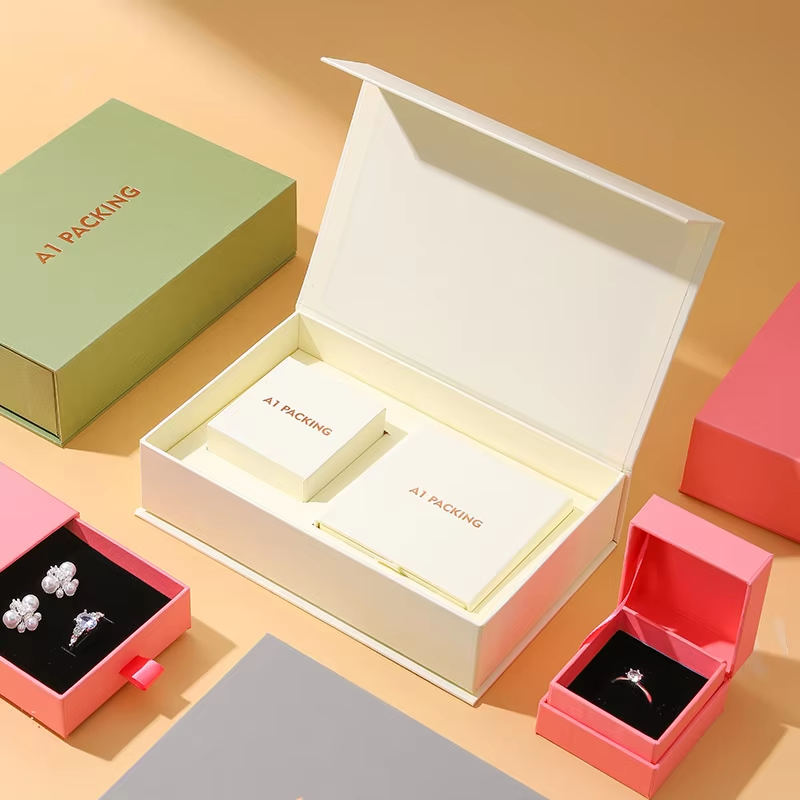
Evaluating bulk jewelry box quality before placing a large order is a critical step that can significantly impact your brand reputation, customer satisfaction, and overall profitability. Whether you're a jewelry retailer, e-commerce seller, or brand owner, the jewelry box you choose serves as both protective packaging and a powerful brand ambassador. A well-constructed jewelry box enhances the perceived value of your products, while poor quality can undermine even the finest jewelry pieces. Understanding the specific quality indicators, material properties, construction techniques, and supplier verification methods enables you to make informed decisions that protect your investment and ensure consistent product presentation across your entire inventory.
The process of assessing jewelry box quality requires a systematic approach that examines multiple dimensions of manufacturing excellence. From material selection and structural integrity to finishing details and functional components, each element contributes to the overall durability and aesthetic appeal of the final product. This comprehensive evaluation methodology helps buyers identify potential quality issues before committing to large-volume orders, reducing the risk of receiving substandard products that fail to meet brand standards or customer expectations. By implementing a thorough pre-order quality assessment protocol, businesses can establish long-term relationships with reliable suppliers while maintaining the high standards their customers demand.
Material Quality Assessment Standards
Understanding Base Material Properties
The foundation of any high-quality jewelry box begins with the base materials used in its construction. When evaluating bulk orders, examine the paperboard thickness and density specifications, as these directly impact the structural strength and longevity of each jewelry box. Premium jewelry boxes typically utilize rigid cardboard with a minimum thickness of 1.5mm to 3mm, depending on the intended size and weight capacity. Request material specification sheets from suppliers that detail the GSM (grams per square meter) rating, as this metric provides an objective measure of material density and quality. Higher GSM ratings generally indicate superior durability and a more luxurious feel that enhances the perceived value of your jewelry presentation.
Beyond thickness measurements, assess the composition of the paperboard itself by examining whether it uses virgin fibers or recycled content. While environmentally conscious recycled materials can be excellent choices for certain applications, they may exhibit slight variations in color consistency and structural uniformity compared to virgin fiber boards. For premium jewelry box applications where brand consistency is paramount, virgin fiber boards often provide more predictable results across large production runs. Additionally, evaluate the moisture resistance properties of the base material, as jewelry boxes must maintain their structural integrity across various storage and shipping conditions without warping, deforming, or developing mold issues that could compromise product protection.
Covering Material Evaluation Techniques
The exterior covering material of a jewelry box significantly influences both its aesthetic appeal and functional durability. Common covering options include specialty papers, textured papers, leatherette, genuine leather, fabric, and various synthetic materials, each offering distinct advantages and quality indicators. When examining paper-covered jewelry boxes, check for consistent lamination without bubbles, wrinkles, or adhesive bleed-through that indicates poor manufacturing control. The covering should be taut and smooth across all surfaces, with clean edges and corners that demonstrate precise application techniques. Request samples that have undergone simulated aging tests to observe how the covering material responds to handling, light exposure, and environmental stress over time.
For fabric or leatherette-covered jewelry box designs, evaluate the material's colorfastness by gently rubbing a white cloth across the surface to check for dye transfer, which suggests inadequate curing or low-quality pigments. Examine the texture consistency across multiple sample units to ensure production uniformity, as variations may indicate inconsistent supplier sourcing or manufacturing processes. The covering material should also demonstrate appropriate stretch and recovery properties that allow it to conform smoothly to the jewelry box structure without excessive tension that could cause premature separation or insufficient tension that creates loose, unprofessional-looking surfaces. High-quality covering materials maintain their appearance and integrity even after repeated handling, making this assessment crucial for products that will be opened and closed multiple times throughout their lifecycle.
Interior Lining Quality Indicators
The interior lining of a jewelry box serves critical functions beyond aesthetic appeal, providing protective cushioning and preventing jewelry pieces from scratching or tarnishing during storage and transport. Premium jewelry boxes feature soft velvet, suede, silk, or specialized synthetic fabrics that offer both visual elegance and functional protection. When evaluating interior quality, assess the lining's attachment method by gently pulling at corners and seams to verify secure adhesion without excessive glue residue that could transfer to jewelry items. The lining should be consistently applied across all interior surfaces, including compartment dividers, drawer interiors, and lid undersides, with no exposed cardboard or rough edges that could snag delicate chains or damage gemstone settings.
Examine the pile density and fiber quality of velvet or flocked linings by running your fingers across the surface to detect any thin spots, inconsistent texture, or shedding fibers that suggest inferior materials or application techniques. Quality interior linings maintain their appearance and protective properties even after repeated contact with jewelry pieces, without developing permanent compression marks or losing their soft tactile qualities. For jewelry boxes intended to store valuable or delicate pieces, consider requesting pH-neutral lining materials that won't accelerate tarnishing of silver or other reactive metals. This attention to interior material specifications ensures that your jewelry box provides genuine protective value rather than merely decorative packaging.
Construction and Assembly Evaluation
Structural Integrity Testing Methods
The structural integrity of a jewelry box determines its ability to withstand normal handling, stacking, and transportation stresses throughout its useful life. Begin your evaluation by applying gentle pressure to various points on the jewelry box structure, including the lid, base corners, and sidewalls, to assess rigidity and resistance to deformation. A well-constructed jewelry box should maintain its shape without flexing, creaking, or showing signs of weak joints that could fail under normal use conditions. Pay particular attention to corner construction, as these stress concentration points often reveal manufacturing quality issues first. Premium jewelry boxes utilize reinforced corner construction techniques that distribute loads effectively and prevent the common failure mode of corner separation.
Conduct repeated opening and closing cycles to evaluate hinge durability and lid alignment consistency, which are critical factors for jewelry boxes that will be accessed frequently. The lid should open and close smoothly without binding or requiring excessive force, while maintaining proper alignment that ensures consistent gaps around the perimeter. For drawer-style jewelry box designs, test the drawer glide mechanism for smooth operation without wobbling, sticking, or derailing from the track system. Quality drawer constructions feature properly fitted guides that maintain alignment even when the drawer is only partially extended or loaded with jewelry items. These functional tests reveal whether the jewelry box construction can maintain its operational integrity throughout extended use periods.
Adhesive and Bonding Quality Assessment
The adhesives used in jewelry box construction play a crucial yet often overlooked role in determining long-term durability and product safety. High-quality jewelry boxes employ appropriate adhesive types for different applications, including structural bonding, covering material attachment, and lining installation. When evaluating adhesive quality, inspect all visible bond lines for consistent application without excessive squeeze-out, gaps, or irregular coverage patterns that indicate poor manufacturing control. The adhesive should create strong bonds that resist separation under normal stress conditions while remaining flexible enough to accommodate the natural expansion and contraction of paperboard materials in response to humidity changes.
Request information about the adhesive formulations used in jewelry box production, particularly regarding VOC (volatile organic compound) content and curing characteristics. Low-odor, low-VOC adhesives are essential for jewelry boxes that will contain valuable items in enclosed spaces, as strong adhesive odors can be perceived as quality defects by end customers. Test for adhesive integrity by examining sample units that have been subjected to accelerated aging conditions, including elevated temperature and humidity cycles that simulate months or years of normal storage. Quality adhesives maintain their bonding strength without becoming brittle, yellowing, or releasing odors over time, ensuring that your jewelry box maintains its structural and aesthetic integrity throughout its intended service life.
Edge and Corner Finishing Standards
The quality of edge and corner finishing provides immediate visual evidence of manufacturing precision and attention to detail in jewelry box production. Examine all exposed edges to verify that covering materials are properly wrapped and secured without fraying, lifting, or revealing raw cardboard underneath. Premium jewelry boxes feature precisely mitered corners where covering materials meet at clean angles without overlapping, gapping, or showing adhesive residue. The edges should feel smooth to the touch without sharp corners or rough spots that could catch on clothing or cause discomfort during handling. This level of finishing detail separates professional-grade jewelry boxes from lower-quality alternatives that may appear adequate initially but reveal their inferior construction through edge failures during normal use.
For jewelry boxes with contrasting edge treatments or decorative corner protectors, verify that these elements are securely attached and aligned consistently across multiple sample units. Edge painting or gilding applications should show uniform coverage without drips, thin spots, or color inconsistencies that suggest inadequate quality control during finishing operations. When evaluating bulk jewelry box orders, request samples from different production batches to assess consistency in edge finishing quality, as variations between batches may indicate process control issues that could affect your entire order. Consistent, precise edge and corner finishing demonstrates a manufacturer's commitment to quality standards and their capability to deliver uniform results across large production volumes.
Functional Component Verification
Closure Mechanism Evaluation
The closure mechanism of a jewelry box significantly impacts both user experience and product security during storage and transport. Common closure types include magnetic closures, ribbon ties, snap closures, and clasp systems, each requiring specific quality assessment criteria. For magnetic closure systems, test the holding strength by inverting the closed jewelry box and gently shaking it to verify that the lid remains securely closed under reasonable stress conditions. The magnets should be properly positioned to create even closure pressure across the lid perimeter without creating gaps at corners or along edges. Insufficient magnetic strength allows lids to open accidentally during handling or shipping, while excessive magnetic force can make the jewelry box difficult to open and may interfere with certain types of jewelry clasps or electronic components.
Ribbon closure systems should feature high-quality ribbon materials that resist fraying, fading, and stretching over repeated use cycles. Examine the ribbon attachment points to ensure secure anchoring that prevents ribbon pull-out under normal tension loads. The ribbon length should be appropriately sized to allow comfortable tying and untying without excessive material that creates a cluttered appearance or insufficient length that makes closure difficult. For jewelry boxes equipped with metal clasps or snap closures, verify that the hardware is properly installed with secure fastening that prevents loosening during use. The closure mechanism should operate smoothly without requiring excessive force while maintaining sufficient security to protect valuable jewelry contents.
Hinge and Hardware Durability Testing
For jewelry box designs incorporating physical hinges, the hinge quality and installation precision directly determine the product's operational longevity and user satisfaction. Examine hinge construction to verify appropriate sizing for the lid weight and dimensions, as undersized hinges will fail prematurely under repeated use stress. Quality hinges feature smooth pivot action without excessive play or binding throughout the full range of motion. Open and close the jewelry box lid multiple times while observing the hinge behavior for any signs of resistance, noise, or irregular movement that suggests manufacturing defects or improper installation. The hinge mounting should distribute stress across adequate attachment area to prevent pull-out failures that commonly occur when hinges are inadequately anchored to the paperboard structure.
Metal hardware components such as corner protectors, handles, and decorative elements should be fabricated from corrosion-resistant materials appropriate for the jewelry box's intended use environment. Verify that all hardware is securely attached with proper fastening methods that maintain integrity under handling stress without damaging the underlying jewelry box structure. Examine the finish quality of metal components for consistent plating or coating coverage without blemishes, scratches, or areas where the base metal is exposed to potential corrosion. For bulk jewelry box orders, request accelerated corrosion testing results that demonstrate hardware durability under humidity and temperature stress conditions that simulate extended storage and use periods.
Compartment and Insert Functionality
Many jewelry box designs incorporate internal compartments, removable inserts, or specialized holders that organize different jewelry types and prevent tangling or damage during storage. When evaluating these functional elements, verify that compartment dividers are securely installed and sized appropriately for the intended jewelry items they will contain. Dividers should be rigid enough to maintain their position under normal use conditions without collapsing or shifting, yet they should not be so tight that inserting or removing jewelry becomes difficult. The interior dimensions of each compartment should be verified against your specific jewelry product dimensions to ensure proper fit and functionality.
For jewelry boxes featuring removable ring inserts, necklace hooks, or earring holders, test the installation and removal process to confirm smooth operation without excessive force that could damage either the insert or the jewelry box structure. These functional inserts should be crafted from appropriate materials that protect jewelry finishes while maintaining their shape and position during handling. Evaluate the insert stability by tilting and shaking the jewelry box to verify that inserts remain properly positioned without rattling or dislodging. Quality compartment and insert designs enhance the jewelry box's functional value and contribute to positive user experiences that reflect favorably on your brand image.
Aesthetic Quality and Brand Presentation
Print Quality and Color Consistency Standards
For jewelry boxes featuring printed logos, brand names, patterns, or decorative elements, the print quality directly impacts brand perception and product marketability. Examine printed areas using magnification to assess dot pattern consistency, edge sharpness, and color registration accuracy in multi-color designs. High-quality printing processes produce crisp text and graphics without visible dot patterns, color bleeding, or misalignment between color layers. Request color matching specifications that reference standardized color systems such as Pantone to ensure consistency across production runs and compatibility with your existing brand materials. Color consistency is particularly critical for bulk jewelry box orders where visual uniformity across hundreds or thousands of units creates a professional brand presentation.
Evaluate the durability of printed elements by conducting rub tests that simulate handling wear to verify that inks are properly cured and resistant to smudging, scratching, or fading. Premium printing processes utilize UV-cured or heat-set inks that create durable surfaces capable of withstanding repeated contact without quality degradation. For jewelry boxes with metallic foil stamping or embossed elements, examine the foil adhesion and coverage consistency to ensure complete transfer without skips, weak areas, or excessive foil that creates rough edges. These decorative enhancement techniques should appear crisp and uniform across all sample units, demonstrating production process control that will deliver consistent results throughout your bulk order.
Surface Finish and Texture Evaluation
The surface finish of a jewelry box contributes significantly to its tactile quality and visual appeal, influencing customer perceptions of both the packaging and the jewelry it contains. Common surface finishes include matte, gloss, soft-touch coatings, and textured patterns, each creating distinct sensory experiences that should align with your brand positioning. When evaluating surface finish quality, examine the consistency of coating application across all surfaces, looking for variations in sheen level, texture uniformity, or defects such as orange peel texture, fisheyes, or contamination particles. The finish should appear uniform under various lighting conditions without revealing application patterns or boundaries between coating passes.
Test the surface finish durability by gently scratching with a fingernail in an inconspicuous area to assess coating hardness and scratch resistance. Quality finishes resist minor abrasion without showing damage, maintaining their appearance throughout normal handling and storage conditions. For soft-touch or velvet-feel coatings, verify that the tactile effect remains consistent across the entire jewelry box surface without variations that suggest uneven application or curing. These specialized coatings should resist fingerprint marking and maintain their distinctive feel characteristics even after repeated handling, providing lasting sensory appeal that enhances the perceived value of your jewelry presentation.
Embellishment and Decoration Quality
Decorative embellishments such as ribbons, bows, tassels, and ornamental hardware add distinctive character to jewelry box designs while creating premium visual appeal. When these elements are incorporated, evaluate their attachment security and overall craftsmanship to ensure they enhance rather than detract from the product's quality impression. Ribbons should be precisely cut with clean edges that resist fraying, and bow formations should maintain their shape without requiring constant adjustment. Examine the attachment points of decorative elements to verify secure fastening methods that prevent detachment during normal handling or shipping.
For jewelry boxes featuring decorative stitching, piping, or trim elements, inspect the stitch quality for consistent tension, straight lines, and proper thread selection that complements the overall design aesthetic. Loose threads, skipped stitches, or irregular stitch spacing indicate quality control issues that may affect your entire bulk order. Decorative elements should be positioned consistently across multiple sample units, demonstrating manufacturing precision and attention to detail. These embellishment quality factors contribute to the overall impression of craftsmanship and luxury that distinguishes premium jewelry boxes from basic commodity packaging options.
Supplier Verification and Sample Testing Protocols
Pre-Production Sample Requirements
Establishing a comprehensive pre-production sample approval process is essential for ensuring that bulk jewelry box orders meet your quality specifications and performance expectations. Request multiple pre-production samples that represent the complete range of variations in your order, including different sizes, colors, or configuration options. These samples should be produced using the same materials, processes, and equipment that will be employed for the full production run, providing accurate representations of the final product quality you can expect. Evaluate samples against detailed specification sheets that define acceptable tolerances for all critical dimensions, material properties, and aesthetic features.
Conduct thorough documentation of the approved sample, including detailed photographs from multiple angles, measurements of key dimensions, and written descriptions of material specifications and finishing details. This documented approval sample serves as the quality standard against which production units will be evaluated, providing objective criteria for acceptance testing. Consider retaining multiple copies of the approved sample for reference throughout the production and delivery process, with one copy remaining with the supplier for quality control reference and another available at your facility for incoming inspection verification. This systematic sample approval process establishes clear quality expectations and provides a foundation for resolving any disputes regarding product conformance to specifications.
Factory Audit and Capability Assessment
For significant bulk jewelry box orders, conducting a factory audit provides valuable insights into the supplier's manufacturing capabilities, quality control systems, and production consistency. If feasible, visit the manufacturing facility to observe production processes firsthand, examining equipment condition, workplace organization, and employee training practices that influence product quality. Assess the factory's quality control infrastructure, including inspection equipment, testing protocols, and defect tracking systems that demonstrate their commitment to consistent quality standards. Request documentation of quality certifications such as ISO 9001 or industry-specific standards that validate the supplier's quality management practices.
During factory assessments, observe the jewelry box production process from raw material receipt through final packaging to identify potential quality risk points where defects might originate. Examine raw material storage conditions to verify proper environmental controls that prevent moisture damage or contamination. Observe assembly workstations to assess whether workers follow standardized procedures and utilize appropriate tools and fixtures that promote consistent results. Review the factory's incoming material inspection processes to understand how they verify supplier quality before materials enter production. This comprehensive capability assessment helps you evaluate whether the supplier possesses the systems, skills, and commitment necessary to deliver consistent quality across your entire bulk order.
Third-Party Testing and Certification
Engaging independent third-party testing services provides objective verification of jewelry box quality characteristics and compliance with relevant safety and performance standards. Request testing reports that document material composition analysis, structural performance testing, and safety evaluations including heavy metal content testing for components that may contact jewelry or skin. Third-party testing removes potential bias from supplier-generated quality data while providing documentation that may be required for regulatory compliance or customer assurance programs. Common relevant tests include compression strength testing, drop testing, humidity resistance evaluation, and accelerated aging studies that predict long-term performance characteristics.
For jewelry boxes intended for international distribution, verify compliance with market-specific regulations such as CPSIA requirements in the United States or REACH regulations in Europe that restrict certain chemical substances in consumer products. Request certificates of compliance and supporting test data that demonstrate conformance to these requirements, protecting your business from potential liability issues. Consider implementing ongoing testing protocols where samples from each production batch undergo abbreviated quality verification testing to ensure continued compliance throughout the bulk order fulfillment process. This systematic testing approach provides confidence in product quality while generating documentation that supports your quality assurance claims to customers.
FAQ
What is the minimum order quantity typically required when ordering bulk jewelry boxes?
Minimum order quantities for bulk jewelry boxes vary significantly depending on the customization level and manufacturing process involved. Standard designs with minimal customization often have minimum orders ranging from 500 to 1000 units, while fully custom jewelry boxes with unique dimensions, specialized materials, or complex decoration may require minimum orders of 3000 to 5000 units or more. These minimums exist because setup costs for tooling, printing plates, and production line configuration must be amortized across the order volume to maintain economically viable pricing. When planning your first bulk order, discuss flexibility options with suppliers, as some manufacturers offer reduced minimum quantities for initial trial orders with the understanding that larger subsequent orders will follow once you've verified quality and market acceptance.
How long does the typical production timeline span from order placement to delivery for bulk jewelry box orders?
Production timelines for bulk jewelry box orders typically range from four to eight weeks depending on order complexity, customization requirements, and the supplier's current production schedule. The timeline includes several distinct phases: sample approval and specification finalization (one to two weeks), raw material procurement (one to two weeks), production and quality control (two to three weeks), and shipping logistics (one to two weeks for international orders). Rush production options may be available at premium pricing for urgent requirements, potentially reducing timelines by 30 to 50 percent. However, accelerated schedules may limit your ability to conduct thorough quality inspections and increase the risk of defects going undetected until delivery. When planning bulk jewelry box orders, build adequate lead time into your inventory planning to accommodate potential delays and allow for proper quality verification at each stage of the production process.
Can I request modifications to jewelry box designs after seeing pre-production samples?
Design modifications after pre-production sample approval are generally possible but may impact both production timelines and costs depending on the nature and extent of the requested changes. Minor adjustments such as color corrections, small dimensional tweaks, or changes to printed elements can often be accommodated with minimal delay or cost impact. However, significant structural modifications, material changes, or alterations requiring new tooling may necessitate creating new samples, extending production timelines by two to four weeks, and incurring additional setup costs. To minimize these complications, invest adequate time in the initial design specification phase to address all requirements before sample production begins. If modifications become necessary after sample review, clearly communicate the specific changes required and request detailed information about timeline and cost implications before authorizing the changes to proceed.
What quality inspection options are available for verifying bulk jewelry box orders before shipment?
Several inspection options exist for verifying bulk jewelry box quality before shipment, ranging from supplier self-inspection to independent third-party verification services. Supplier self-inspection reports provide basic quality confirmation but lack independent verification. Third-party inspection services such as SGS, Bureau Veritas, or Intertek offer pre-shipment inspection services where trained inspectors visit the factory to examine a statistical sample of your order against your approved specifications, providing detailed reports with photographs documenting any quality issues discovered. These inspection services typically cost between 200 and 500 dollars per inspection depending on order size and complexity, representing cost-effective insurance against receiving defective products. Alternatively, if production volumes and relationships justify the investment, consider stationing your own quality representative at the supplier's facility during critical production phases to monitor processes and address issues in real-time before they affect large quantities of product.
Table of Contents
- Material Quality Assessment Standards
- Construction and Assembly Evaluation
- Functional Component Verification
- Aesthetic Quality and Brand Presentation
- Supplier Verification and Sample Testing Protocols
-
FAQ
- What is the minimum order quantity typically required when ordering bulk jewelry boxes?
- How long does the typical production timeline span from order placement to delivery for bulk jewelry box orders?
- Can I request modifications to jewelry box designs after seeing pre-production samples?
- What quality inspection options are available for verifying bulk jewelry box orders before shipment?