
 EN
EN



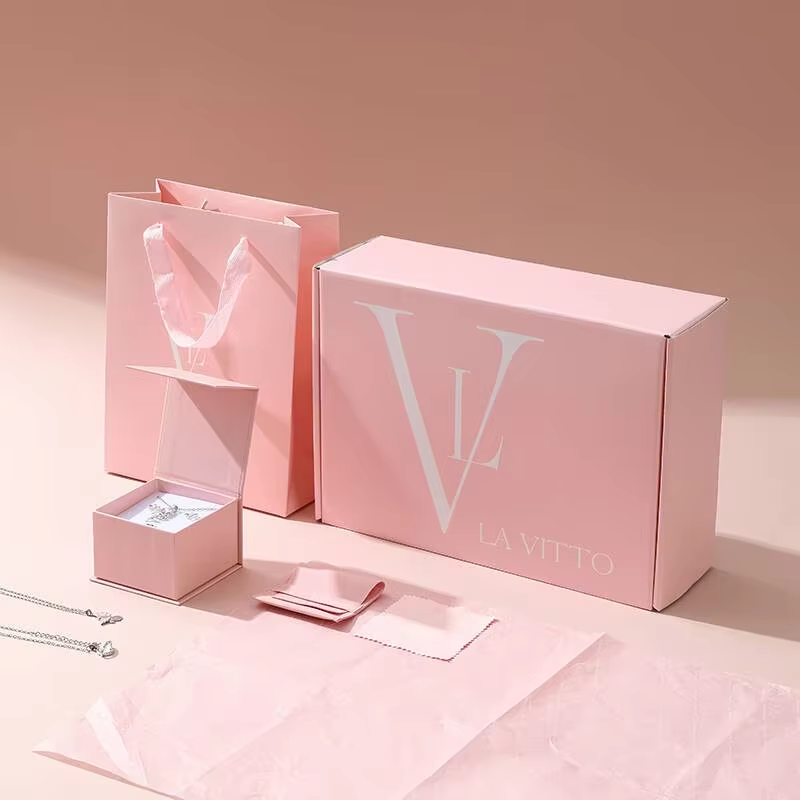
Sourcing the right jewelry packaging box is a strategic decision that directly impacts brand perception, customer satisfaction, and operational efficiency. Buyers in the jewelry industry face a complex landscape of material choices, structural designs, customization capabilities, and supplier reliability factors that all converge to determine the success of their packaging investment. Understanding what to prioritize during the sourcing process helps businesses avoid costly mistakes, ensure product protection, and create memorable unboxing experiences that reinforce brand value in competitive markets.
The sourcing journey for a jewelry packaging box requires buyers to balance aesthetic appeal with functional requirements while managing budget constraints and production timelines. From luxury boutiques seeking premium presentation solutions to online retailers prioritizing cost-effective protection, each buyer segment faces unique considerations that demand careful evaluation of supplier capabilities, material durability, design flexibility, and total cost of ownership. This comprehensive examination of sourcing considerations equips buyers with the knowledge to make informed decisions that align packaging choices with broader business objectives and customer expectations.
Material Selection and Quality Assessment
Understanding Material Categories and Their Applications
The foundation of any effective jewelry packaging box begins with material selection, which determines durability, presentation quality, and environmental impact. Common materials include rigid cardboard, specialty paper stocks, velvet-lined interiors, wood composites, acrylic, and leather alternatives, each offering distinct advantages for specific jewelry types and brand positioning strategies. Buyers must evaluate how material choices affect structural integrity during shipping, perceived luxury at point of sale, and alignment with sustainability commitments that increasingly influence purchasing decisions across consumer segments.
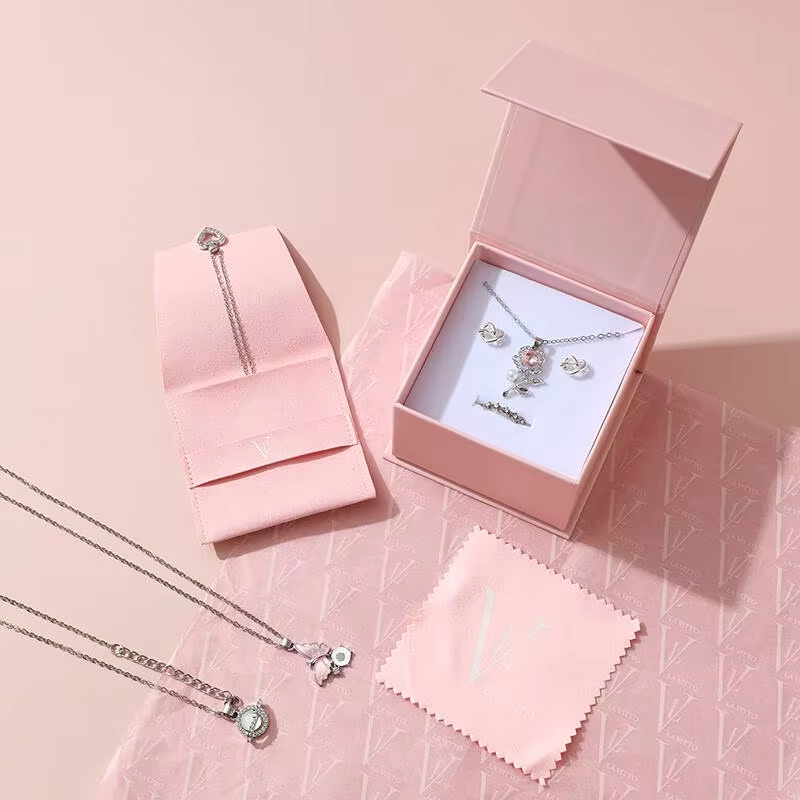
Premium jewelry packaging box options often feature multiple material layers that combine rigid outer shells with soft interior linings to protect delicate items while creating tactile experiences that communicate quality. The outer material communicates brand identity through texture and finish options, while interior materials like velvet, satin, or foam inserts prevent scratching and movement during transit. Buyers should request material samples to assess weight, texture, printing compatibility, and how materials perform under stress testing that simulates real-world handling conditions throughout distribution channels.
Environmental considerations now play a central role in material decisions as consumers increasingly favor brands demonstrating ecological responsibility. Recyclable paperboard, FSC-certified materials, biodegradable alternatives, and reduced plastic components represent growing categories within jewelry packaging box manufacturing. Buyers must balance sustainability goals with performance requirements, recognizing that some eco-friendly materials may require design adjustments or protective enhancements to maintain product safety standards without compromising environmental commitments that resonate with target customer values.
Quality Control Standards and Testing Protocols
Establishing clear quality benchmarks before sourcing prevents disappointment and ensures consistency across production batches. Buyers should define specifications for material thickness, color accuracy, structural strength, and finish quality that suppliers must meet through documented testing procedures. Requesting pre-production samples allows verification that manufacturing processes can consistently deliver jewelry packaging box units matching approved prototypes, reducing the risk of quality degradation as orders scale from initial runs to bulk production volumes.
Compression testing, drop testing, and moisture resistance evaluations provide objective data about how packaging performs under distribution stress. A quality jewelry packaging box should withstand typical shipping scenarios without structural failure, maintain closure integrity after repeated opening, and protect contents from environmental factors like humidity fluctuation. Buyers benefit from suppliers who conduct third-party testing and provide certification documentation that validates performance claims, particularly when packaging must meet international shipping standards for cross-border commerce.
Visual quality assessment extends beyond structural integrity to include printing precision, color consistency, and finish uniformity that directly impact brand presentation. Buyers should examine sample batches for variations in logo placement, color matching against brand standards, and finish quality across different lighting conditions. Establishing acceptable tolerance ranges for visual imperfections and defining reject criteria upfront creates clear expectations that protect brand integrity while acknowledging reasonable manufacturing limitations inherent in large-scale production environments.
Design Customization and Brand Integration
Structural Design Options and Functional Features
The structural design of a jewelry packaging box determines both its functional effectiveness and its contribution to brand storytelling. Common configurations include flip-top boxes with magnetic closures, drawer-style boxes, hinged clamshell designs, and multi-compartment systems that accommodate jewelry sets. Buyers must consider how design complexity affects manufacturing costs, production timelines, and whether structural features enhance or complicate the customer unboxing experience that increasingly serves as a marketing touchpoint in social media environments.
Closure mechanisms represent a critical design element that balances security with ease of use. Magnetic closures offer smooth operation and premium feel, ribbon ties create traditional elegance, snap closures provide audible confirmation, and lock mechanisms add security for high-value items. The ideal jewelry packaging box matches closure style to product value, target demographic preferences, and retail environment requirements that may prioritize display visibility over maximum security in controlled settings.
Interior configuration options significantly impact product presentation and protection effectiveness. Removable inserts, adjustable compartments, and specialized holders for rings, necklaces, or earrings prevent item movement while showcasing products attractively. Buyers should consider whether jewelry packaging box interiors need flexibility to accommodate multiple product types or if dedicated designs for specific items justify tooling investments. Thoughtful interior design reduces returns from shipping damage while creating presentation moments that customers perceive as value additions worthy of premium pricing.
Visual Branding and Surface Finishing Techniques
Surface decoration transforms functional packaging into brand ambassadors that communicate positioning and values at every customer touchpoint. Printing techniques ranging from offset lithography for full-color designs to screen printing for bold graphics offer varying cost-performance balances. Buyers must evaluate how printing methods affect color vibrancy, detail reproduction, and durability under handling, ensuring that jewelry packaging box graphics maintain visual impact throughout the product lifecycle from warehouse storage through final customer interaction.
Premium finishing techniques like hot stamping, embossing, debossing, and spot UV coating add tactile dimensions that elevate perceived value. Metallic foils create luxury associations, embossed logos provide subtle sophistication, and soft-touch coatings deliver sensory experiences that differentiate brands in crowded markets. These enhancements increase per-unit costs but generate disproportionate returns when targeting premium segments where packaging quality directly influences purchase decisions and brand loyalty formation among discerning customers.
Color management deserves particular attention as inconsistencies undermine brand recognition and professional presentation. Buyers should provide Pantone specifications or approved color standards and request strike-off proofs that demonstrate supplier capability to match brand colors accurately. A well-executed jewelry packaging box maintains color consistency across production runs and remains stable under various lighting conditions encountered in retail environments, ensuring that packaging reinforces rather than dilutes carefully cultivated brand identities.
Supplier Evaluation and Partnership Criteria
Manufacturing Capabilities and Production Capacity
Assessing supplier manufacturing capabilities prevents misalignment between buyer requirements and vendor competencies. Buyers should investigate production equipment, technical expertise with specific materials, and experience producing jewelry packaging box designs similar to proposed specifications. Suppliers with dedicated die-cutting equipment, automated assembly lines, and quality control systems demonstrate capacity for consistent output, while those relying on manual processes may suit lower-volume custom projects but struggle with scalability as business grows.
Production capacity evaluation includes minimum order quantities, lead times, and flexibility to accommodate order fluctuations. Some suppliers require large minimum orders that lock buyers into inventory investments, while others accept smaller batches at higher per-unit costs. Understanding capacity constraints helps buyers plan inventory strategies, negotiate favorable terms, and identify backup suppliers who can fulfill rush orders when primary vendors face capacity limitations during peak seasons or unexpected demand surges.
Technical support capabilities distinguish suppliers who function as strategic partners from those providing transactional fulfillment. The best jewelry packaging box manufacturers offer design assistance, prototyping services, material recommendations, and engineering support that optimizes packaging performance while controlling costs. Buyers benefit from suppliers who proactively suggest improvements, identify potential production challenges early, and demonstrate willingness to iterate designs until specifications align with both aesthetic goals and manufacturing realities.
Quality Systems and Compliance Standards
Robust quality management systems provide confidence that jewelry packaging box production meets consistent standards across all orders. Buyers should verify that suppliers maintain documented quality procedures, conduct regular inspections, and implement corrective actions when defects arise. ISO certifications, while not guarantees of perfection, indicate organizational commitment to systematic quality management that reduces variability and supports continuous improvement initiatives benefiting long-term partnership relationships.
Compliance with relevant regulations becomes essential when selling across international markets with varying packaging requirements. Suppliers should demonstrate knowledge of regulations governing materials, labeling, and safety standards in target markets. For jewelry packaging box products destined for European markets, compliance with REACH regulations matters, while U.S. markets may require adherence to CPSIA standards. Verification that suppliers maintain current compliance documentation protects buyers from legal risks and market access disruptions.
Ethical manufacturing practices increasingly influence sourcing decisions as consumers demand transparency about labor conditions and environmental practices. Buyers should inquire about supplier certifications related to fair labor practices, workplace safety, and environmental management systems. Responsible jewelry packaging box sourcing aligns with corporate social responsibility commitments and protects brand reputation from associations with suppliers whose practices contradict publicly stated values regarding sustainability and ethical business conduct.
Cost Structure and Value Optimization
Understanding Total Cost Components
Effective jewelry packaging box sourcing requires analysis beyond quoted unit prices to encompass total cost of ownership. Component costs include materials, printing, assembly, tooling amortization, and finishing treatments, each contributing variable percentages depending on design complexity and customization level. Buyers should request itemized quotations that reveal cost drivers, enabling informed decisions about where design modifications might achieve savings without compromising quality or brand presentation objectives.
Tooling and setup costs represent significant upfront investments that amortize across production volumes. Custom dies, printing plates, and embossing tools may cost thousands initially but reduce per-unit costs substantially when spread across large orders. Buyers must calculate break-even points where custom tooling justifies investment versus using stock sizes or standard configurations that eliminate setup fees but limit differentiation. Strategic jewelry packaging box sourcing balances customization benefits against financial realities of order volumes and reorder frequency.
Hidden costs emerge throughout the supply chain including freight, customs duties, storage, and potential quality rejection losses. International sourcing often promises lower per-unit costs but introduces shipping expenses, longer lead times, communication challenges, and quality control complications that erode apparent savings. Comprehensive cost modeling accounts for all variables including inventory carrying costs and the business impact of stockouts when extended lead times prevent rapid replenishment of jewelry packaging box inventory during unexpected demand spikes.
Negotiation Strategies and Contract Terms
Strategic negotiation extends beyond price reduction to encompass payment terms, order flexibility, and value-added services. Buyers with forecasted volumes can negotiate tiered pricing that rewards commitment while maintaining flexibility through minimum order reductions or extended payment terms. Requesting samples at no charge, free design revisions, or included prototyping reduces total project costs while testing supplier responsiveness and willingness to invest in long-term partnership relationships.
Contract terms should address quality standards, delivery schedules, defect remediation procedures, and intellectual property protections for custom jewelry packaging box designs. Clear specifications prevent disputes by establishing measurable acceptance criteria and defining responsibilities when products fail to meet standards. Including provisions for partial shipments, rush order capabilities, and price adjustment mechanisms protects both parties as market conditions evolve throughout multi-year supply relationships.
Volume commitment agreements offer leverage for favorable pricing but require careful demand forecasting to avoid excess inventory or shortfall penalties. Some buyers negotiate framework agreements establishing pricing and terms without firm quantity commitments, preserving flexibility while securing predictable costs. The optimal jewelry packaging box sourcing arrangement balances price advantages from volume commitments against business realities of demand uncertainty and the working capital implications of inventory investments in competitive, fast-moving markets.
Logistics and Supply Chain Integration
Shipping and Warehousing Considerations
Packaging dimensions and weight directly impact shipping costs, warehouse storage efficiency, and environmental footprint throughout distribution networks. Buyers should evaluate how jewelry packaging box designs optimize shipping cube utilization, whether flat-pack configurations reduce freight costs, and if dimensions align with standard carton sizes that maximize container loading efficiency. Thoughtful dimensional planning reduces per-unit logistics costs while supporting sustainability goals by minimizing transportation emissions per product delivered.
Warehouse storage requirements influence total cost and operational complexity. Bulky jewelry packaging box designs consume valuable warehouse space, increasing storage costs and potentially limiting inventory depth. Collapsible or nested designs reduce storage footprint, while pre-assembled units eliminate assembly labor but require more space. Buyers must assess internal warehouse capabilities, labor availability for assembly operations, and whether storage cost savings justify more complex handling procedures that collapsible packaging may require.
International sourcing introduces complexities including customs documentation, import duties, and extended transit times that affect inventory planning. Buyers must account for lead time variability, establish safety stock levels that buffer against delays, and understand landed cost implications of tariffs and fees. Domestic jewelry packaging box suppliers eliminate many international complications but may command premium pricing that buyers must weigh against supply chain simplicity, faster replenishment, and reduced working capital tied up in safety stock.
Inventory Management and Order Timing
Effective inventory management balances carrying costs against stockout risks that disappoint customers and disrupt sales. Buyers should establish reorder points based on lead times, demand variability, and the business impact of running out of jewelry packaging box inventory. Just-in-time approaches minimize inventory investment but require reliable suppliers with consistent lead times, while buffer stock strategies provide security against disruptions but increase working capital requirements and storage costs.
Seasonal demand patterns common in jewelry retail necessitate advance planning and potentially accelerated production schedules before peak periods. Buyers should communicate forecasts early, secure production capacity during high-demand seasons, and consider inventory build-ahead strategies that spread costs while ensuring availability. Suppliers appreciate advance visibility into demand spikes and often reward buyers who provide accurate forecasts with preferential pricing or guaranteed capacity allocation during constrained periods.
Order consolidation strategies reduce per-unit logistics costs by combining jewelry packaging box orders with other packaging components or product shipments. Buyers sourcing multiple packaging elements should seek suppliers offering comprehensive solutions or coordinate timing across vendors to maximize shipping efficiency. Strategic consolidation requires careful planning but generates meaningful cost reductions while simplifying vendor management and reducing the administrative burden of managing multiple concurrent procurement processes.
FAQ
What minimum order quantities should buyers expect when sourcing jewelry packaging box products?
Minimum order quantities vary significantly based on customization level and supplier business models. Standard jewelry packaging box designs with minimal customization may have minimums as low as 500 units, while fully custom designs requiring dedicated tooling typically start at 3,000 to 5,000 units. Some suppliers offer lower minimums for initial orders to facilitate sampling but require higher volumes for reorders. Buyers should clearly communicate volume expectations early in discussions to identify suppliers whose minimum requirements align with business scale and growth projections.
How long does typical production take from order placement to delivery?
Standard jewelry packaging box production timelines range from four to eight weeks depending on design complexity, customization requirements, and supplier capacity. Simple designs using existing tooling may ship within three weeks, while complex custom projects requiring new dies, multiple approval rounds, and specialized finishing can extend to ten or twelve weeks. International shipping adds one to six weeks depending on origin, destination, and shipping method. Buyers should factor lead times into inventory planning and communicate urgency clearly when timeline compression is necessary, understanding that rush production typically incurs premium charges.
What certifications or testing should buyers require from jewelry packaging box suppliers?
Essential certifications depend on target markets and brand commitments but commonly include FSC certification for sustainable forestry when using paper materials, ISO 9001 for quality management systems, and relevant safety certifications like CPSIA compliance for U.S. markets. Buyers concerned with environmental impact should verify recyclability claims and request documentation of material composition. For luxury positioning, some buyers require social compliance audits verifying ethical labor practices. Testing requirements should include compression testing, drop testing, and finish durability assessments with documented results provided before full production approval.
How can buyers protect custom jewelry packaging box designs from being replicated by suppliers for competitors?
Design protection requires explicit contractual provisions including non-disclosure agreements, intellectual property clauses specifying design ownership, and restrictions preventing suppliers from producing similar designs for other customers. Buyers should avoid sharing proprietary branding elements unnecessarily and consider working with suppliers who demonstrate respect for client confidentiality through established policies and reputation. For highly distinctive designs, formal trademark or design patent registration provides legal recourse if unauthorized replication occurs. Building relationships with reputable suppliers who value long-term partnerships over short-term gains from design theft offers practical protection beyond contractual mechanisms.
Table of Contents
- Material Selection and Quality Assessment
- Design Customization and Brand Integration
- Supplier Evaluation and Partnership Criteria
- Cost Structure and Value Optimization
- Logistics and Supply Chain Integration
-
FAQ
- What minimum order quantities should buyers expect when sourcing jewelry packaging box products?
- How long does typical production take from order placement to delivery?
- What certifications or testing should buyers require from jewelry packaging box suppliers?
- How can buyers protect custom jewelry packaging box designs from being replicated by suppliers for competitors?