
 EN
EN



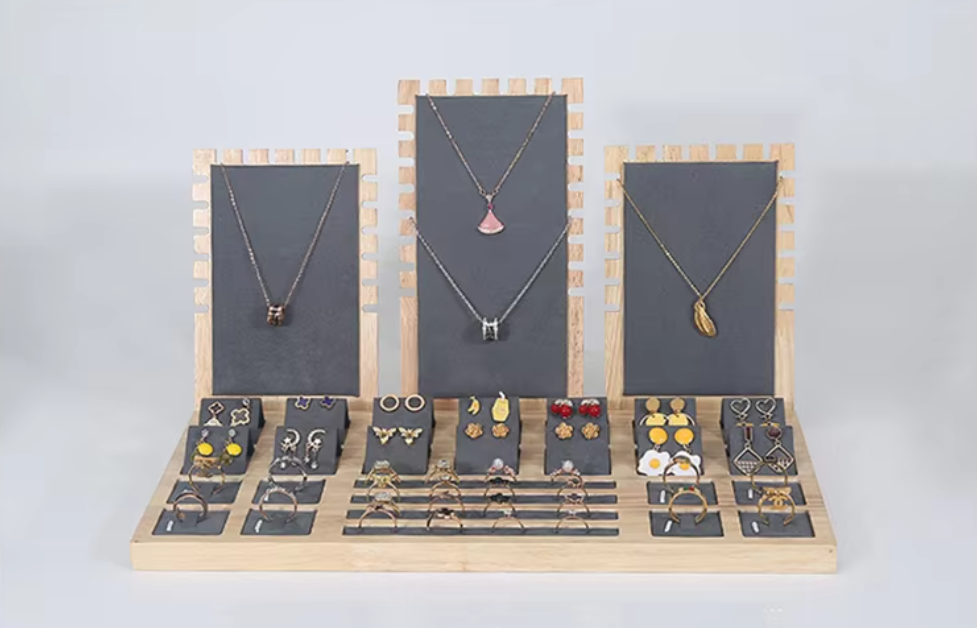
In competitive retail environments, the success of a jewelry business depends not only on the quality of the products but also on how effectively they are presented to customers. A jewelry display serves as the silent salesperson that communicates brand identity, showcases product value, and influences purchasing decisions within seconds. Understanding what separates exceptional jewelry display solutions from ordinary ones is essential for retailers who want to maximize customer engagement, enhance perceived value, and ultimately drive sales performance in both boutique settings and larger retail operations.
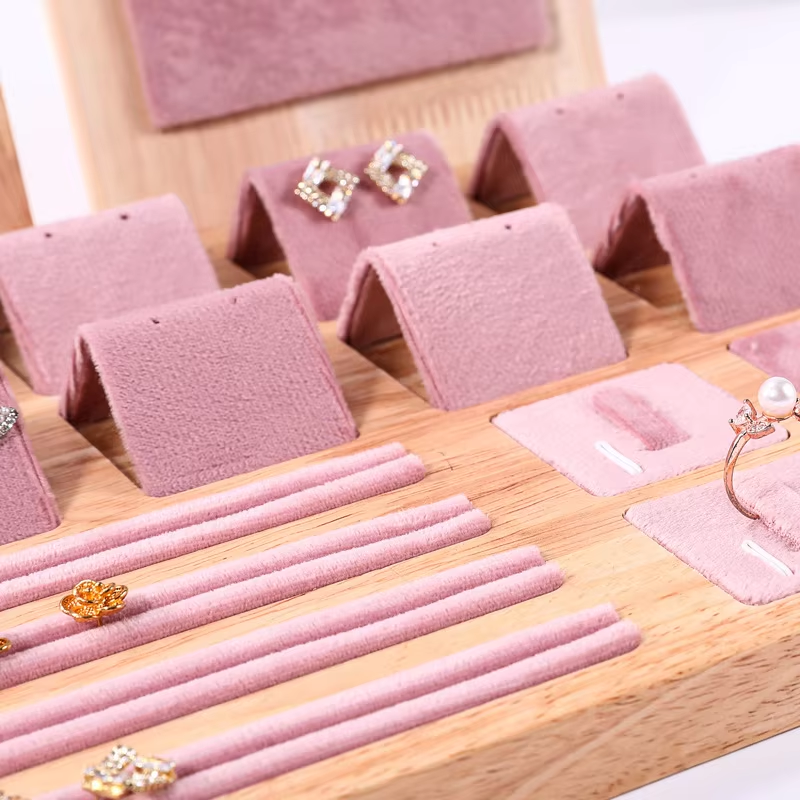
The distinction between a standard presentation and a standout jewelry display lies in the strategic integration of visual hierarchy, material quality, spatial design, and psychological engagement principles. Retailers who master these elements create immersive shopping experiences that not only attract attention but also build trust and emotional connection with their merchandise. This comprehensive analysis explores the critical factors that elevate jewelry presentation from functional necessity to competitive advantage, providing actionable insights for retail decision-makers seeking to optimize their display strategies and create memorable brand impressions that convert browsers into buyers.
Visual Hierarchy and Strategic Product Placement
Understanding the Psychology of Visual Scanning Patterns
Human eye movement follows predictable patterns when encountering retail displays, and successful jewelry display design leverages these natural scanning behaviors. Research in retail psychology demonstrates that customers typically scan displays in Z-patterns or F-patterns depending on the display orientation and density. A standout jewelry display positions high-value or signature pieces at eye level and within the natural focal points of these scanning patterns, ensuring that premium merchandise receives maximum attention. The strategic placement of Jewelry Display components creates intentional viewing sequences that guide customers through product collections in ways that build desire and facilitate comparison shopping.
The concept of visual hierarchy extends beyond simple placement to include elevation variations, lighting emphasis, and spatial relationships between pieces. Outstanding jewelry display systems incorporate multiple height levels that prevent visual monotony and create dynamic compositions that hold customer attention longer. By elevating featured items slightly above surrounding pieces or creating recessed areas for special collections, retailers establish clear importance signals that customers subconsciously recognize and respond to with increased interest and perceived value attribution.
Color contrast and background selection play equally critical roles in establishing visual hierarchy within jewelry display configurations. Dark velvet or leather backgrounds create dramatic contrast for diamonds and precious metals, while lighter tones may better showcase colored gemstones or fashion jewelry. The most effective displays use background colors strategically to enhance rather than compete with the jewelry itself, ensuring that the merchandise remains the undisputed focal point while the display structure provides supportive context that elevates presentation quality.
Creating Focal Points That Drive Engagement
Every exceptional jewelry display incorporates deliberate focal points that serve as entry points for customer engagement and visual anchors for the overall presentation. These focal points typically feature hero products, new arrivals, or thematically significant pieces that represent the collection's essence or the brand's identity. The concentration of design elements, lighting intensity, and spatial emphasis around these focal points creates irresistible visual magnetism that draws customers into closer examination and initiates the engagement process that precedes purchase consideration.
Focal point effectiveness depends on restraint as much as emphasis. A jewelry display that attempts to make every piece a focal point ultimately creates visual chaos that overwhelms customers and diminishes the perceived value of individual items. Strategic retailers limit primary focal points to two or three per display unit, allowing each featured piece sufficient visual breathing room to command attention without competition. This disciplined approach to jewelry display design respects customer cognitive limits and creates more memorable impressions that translate into higher conversion rates.
The rotation of focal point products maintains display freshness and encourages repeat customer visits by ensuring that regular shoppers encounter new visual experiences even within familiar store layouts. Seasonal rotations, promotional campaigns, and inventory turnover all provide natural opportunities to refresh jewelry display focal points while maintaining consistent overall design principles that reinforce brand identity and customer expectations for quality presentation standards.
Material Quality and Craftsmanship Signals
Premium Materials as Value Communication Tools
The materials used in jewelry display construction communicate powerful subliminal messages about product quality and brand positioning before customers even examine individual pieces. High-end retailers understand that solid wood bases, genuine leather inserts, and quality velvet surfaces signal craftsmanship and attention to detail that customers unconsciously transfer to the jewelry itself. This halo effect means that investment in superior jewelry display materials directly influences perceived product value and justifies premium pricing strategies in ways that budget display solutions simply cannot achieve.
Natural materials like wood and leather possess inherent warmth and authenticity that synthetic alternatives struggle to replicate, creating emotional connections that enhance the shopping experience beyond purely transactional interactions. A jewelry display crafted from solid wood with visible grain patterns and quality finishing conveys permanence, tradition, and substance that align perfectly with fine jewelry positioning. These tactile and visual quality signals become particularly important in luxury and heritage brand contexts where display presentation must match the excellence standards that customers expect from the merchandise itself.
Durability considerations also make material quality a practical necessity rather than merely an aesthetic preference for jewelry display solutions. Retail environments subject display fixtures to constant handling, cleaning, and minor impacts that quickly reveal construction shortcuts and inferior materials. Quality jewelry display components maintain their appearance through years of intensive use, protecting the substantial investment that retailers make in display infrastructure while consistently supporting brand image standards that drive customer confidence and loyalty.
Surface Texture and Sensory Experience
Touch represents an often-overlooked dimension of jewelry display effectiveness, yet surface texture profoundly influences customer perceptions and engagement levels. Velvet and suede surfaces invite tactile interaction while protecting delicate jewelry from scratches and providing secure positioning that prevents pieces from sliding or shifting. The sensory pleasure of touching quality materials creates positive associations that enhance the overall shopping experience and increase the likelihood of extended browsing sessions that expose customers to more inventory.
Texture variation within a single jewelry display adds visual interest and functional differentiation that helps customers navigate product categories intuitively. Smooth leather sections might designate contemporary collections while plush velvet areas signal vintage or traditional styles, creating subtle navigation cues that improve shopping efficiency without requiring explicit signage or labels. This sophisticated approach to jewelry display organization demonstrates retail expertise and creates upscale shopping environments that appeal to discerning customers.
The maintenance characteristics of display surface materials directly impact long-term presentation quality and operational efficiency. Premium materials like quality velvet and treated leather resist staining, maintain color vibrancy through repeated cleaning, and age gracefully rather than deteriorating noticeably. These practical advantages mean that jewelry display investments in superior materials deliver ongoing returns through sustained presentation excellence that budget alternatives cannot match over equivalent service lifespans.
Spatial Design and Ergonomic Considerations
Optimizing Viewing Angles and Customer Comfort
Outstanding jewelry display design accounts for the physical relationship between customers and merchandise, ensuring that viewing angles facilitate comfortable examination without requiring awkward postures or uncomfortable proximity to display cases. Counter-height displays typically position jewelry between fifteen and twenty degrees from vertical, creating optimal sightlines for customers of average height while minimizing glare from overhead lighting. This ergonomic attention demonstrates customer-centric thinking that enhances shopping comfort and encourages longer engagement periods that increase sales opportunities.
Reach accessibility represents another critical dimension of jewelry display spatial planning, particularly for open displays that allow customer self-service browsing. Items positioned too far back or too high create frustration and may prevent customers from examining pieces they initially found interesting. Conversely, jewelry display configurations that bring merchandise within easy reach while maintaining security and preventing accidental damage strike the balance between accessibility and protection that defines professional retail presentation standards.
Spatial density within jewelry display units significantly affects perceived luxury and shopping experience quality. Overcrowded displays suggest discount retail positioning and make individual piece examination difficult, while excessive spacing may communicate limited inventory or incomplete collections. The optimal jewelry display density provides sufficient separation between pieces to prevent visual confusion while creating cohesive groupings that suggest abundance and selection variety without overwhelming customers or diminishing perceived exclusivity.
Creating Intimate Shopping Zones
Effective jewelry display strategies extend beyond individual fixtures to encompass broader spatial planning that creates distinct shopping zones within retail environments. These zones establish psychological boundaries that make large stores feel more intimate and navigable while allowing customers to focus attention on specific product categories without distraction from unrelated merchandise. Well-designed jewelry display zones incorporate appropriate lighting, complementary background colors, and strategic sight-line blocking that creates the impression of dedicated boutique spaces within larger retail footprints.
The distance between jewelry display units influences customer traffic flow and browsing patterns in ways that directly impact sales performance. Spacing that allows comfortable passage for two customers prevents bottlenecks while maintaining sufficient proximity between displays to create visual continuity across product collections. This spatial rhythm guides customers through planned journeys that expose them to complementary products and cross-selling opportunities while preserving the unhurried, contemplative atmosphere that jewelry shopping requires.
Seating integration near jewelry display areas acknowledges the considered nature of jewelry purchases and provides comfortable environments for extended decision-making processes. Customers who feel physically comfortable spend more time evaluating options and are more likely to involve companions in purchase decisions, both factors that correlate with higher transaction values and improved customer satisfaction. This holistic approach to jewelry display environment design recognizes that successful presentation extends beyond the fixtures themselves to encompass the complete spatial and experiential context in which customer interactions occur.
Lighting Strategy and Brilliance Enhancement
Directional Lighting for Maximum Sparkle
Lighting represents perhaps the single most transformative element in jewelry display presentation, with the power to elevate ordinary pieces into eye-catching treasures or reduce brilliant stones to dull disappointments. Professional jewelry display lighting employs directional spotlights positioned at specific angles to maximize light reflection and refraction through gemstones and polished metal surfaces. The optimal lighting angle for most jewelry display applications falls between thirty and forty-five degrees from vertical, creating the dynamic play of light and shadow that reveals facet patterns and demonstrates craftsmanship quality that static overhead lighting cannot achieve.
Color temperature selection in jewelry display lighting profoundly affects how metals and gemstones appear to customers, making this technical consideration a critical component of presentation strategy. Cooler color temperatures around 5000K to 6000K enhance the brilliance of diamonds and white metals, creating the crisp, clean appearance that customers associate with quality and purity. Warmer temperatures around 3000K complement yellow gold and colored gemstones, enriching their inherent warmth and creating inviting, luxurious atmospheres that encourage extended browsing and emotional connection with merchandise.
LED lighting technology has revolutionized jewelry display possibilities by providing intense, focused illumination without the heat generation that damages sensitive materials and creates uncomfortable shopping environments. Modern LED systems designed specifically for jewelry display applications offer precise beam control, excellent color rendering properties, and energy efficiency that dramatically reduces operational costs while maintaining the intense, focused illumination that makes jewelry sparkle irresistibly. This technological advancement allows retailers to implement ambitious lighting designs previously impossible with traditional lighting technologies.
Eliminating Glare and Shadow Problems
While intense illumination brings jewelry to life, poorly planned jewelry display lighting creates glare and reflection problems that obscure merchandise and frustrate customers attempting to examine pieces closely. Glass display cases particularly require careful lighting design that prevents the glass surfaces from becoming mirrors that reflect ceiling fixtures and ambient light rather than revealing the jewelry within. Strategic light positioning from multiple angles, the use of anti-reflective glass, and careful attention to ambient light sources all contribute to glare-free jewelry display presentations that facilitate comfortable viewing from various customer positions.
Shadow management represents the complementary challenge to glare elimination in jewelry display lighting design. Single-source lighting creates harsh shadows that conceal portions of three-dimensional pieces and prevent customers from fully appreciating jewelry construction and detail. Professional jewelry display lighting employs multiple light sources at complementary angles, filling shadows without creating confusing multiple reflections or excessive brightness that washes out subtle color variations and texture details that contribute to perceived quality and value.
The balance between accent lighting on jewelry display fixtures and ambient store illumination affects customer comfort and merchandise emphasis. Excessive contrast between brightly lit displays and dim surrounding areas creates eye strain and makes navigation difficult, while insufficient contrast fails to draw attention to featured merchandise. The most effective jewelry display environments establish ambient lighting levels that provide comfortable overall visibility while allowing accent lighting on display fixtures to create clear focal points that guide customer attention without causing discomfort or disorientation.
Brand Identity Integration and Thematic Cohesion
Aligning Display Design With Brand Positioning
A truly standout jewelry display functions as a three-dimensional brand statement that communicates positioning, values, and identity as effectively as advertising or packaging design. Contemporary minimalist brands require clean-lined jewelry display solutions with ample negative space and modern materials that reflect their design philosophy, while heritage luxury brands need traditional materials, ornate details, and substantial construction that conveys permanence and established excellence. This alignment between jewelry display aesthetics and brand identity creates cohesive customer experiences that reinforce brand recognition and build the consistent associations that drive brand loyalty and premium pricing power.
Color palette consistency across jewelry display elements, store interiors, and brand marketing materials creates professional impressions that signal attention to detail and operational sophistication. Customers subconsciously register these consistency patterns and interpret them as indicators of overall business quality and reliability. A jewelry display program that incorporates brand signature colors in base materials, accent elements, or background fabrics reinforces brand identity at every customer touchpoint while creating distinctive visual signatures that aid recognition and recall in competitive retail environments.
The level of jewelry display customization communicates brand confidence and investment in customer experience that differentiates serious players from temporary market participants. Stock display solutions, while functional, lack the distinctive character that makes brand environments memorable and shareable through customer word-of-mouth and social media exposure. Custom jewelry display designs that incorporate unique proportions, proprietary finishes, or signature design elements create brand-exclusive presentations that cannot be replicated by competitors and that visually separate the brand from generic retail presentations.
Creating Narrative and Emotional Connection
Exceptional jewelry display design transcends functional presentation to create narrative contexts that give merchandise emotional meaning beyond material value. Thematic groupings that tell stories about occasions, relationships, or personal milestones help customers envision jewelry within their own lives rather than simply as beautiful objects for abstract appreciation. A jewelry display that groups engagement rings with wedding bands and anniversary pieces creates a relationship journey narrative that emotionally resonates with customers at various life stages, making the display personally relevant rather than generically decorative.
Seasonal and cultural themes provide natural opportunities for jewelry display refresh cycles that maintain customer interest and create urgency around limited-time presentations. Holiday-themed displays, seasonal color palettes, and culturally significant motifs demonstrate market awareness and customer understanding that builds community connection and local relevance. These thematic jewelry display variations maintain fundamental brand identity while providing novelty and topical relevance that encourage repeat visits and create social media content opportunities that extend brand reach beyond physical store boundaries.
The integration of storytelling elements through signage, material selection, and spatial arrangement transforms jewelry display from passive presentation to active communication that educates customers and builds appreciation for craftsmanship, materials, and design heritage. Display elements that reference manufacturing techniques, material origins, or design inspiration create intellectual engagement that complements emotional attraction, appealing to customers who value knowledge and authenticity alongside aesthetic pleasure. This multidimensional approach to jewelry display design recognizes that modern consumers increasingly seek meaningful purchases supported by compelling stories rather than purely status-driven acquisitions.
FAQ
How does jewelry display design affect actual sales performance?
Professional jewelry display design directly impacts sales through multiple mechanisms including increased foot traffic attraction, extended browsing duration, enhanced perceived product value, and improved customer confidence in purchase decisions. Studies in retail environments demonstrate that optimized jewelry display presentations can increase sales conversion rates by twenty to forty percent compared to basic presentation methods, with particularly strong effects on impulse purchases and higher-value items. The investment in quality jewelry display solutions typically delivers measurable return on investment within six to twelve months through improved sales performance, reduced inventory handling damage, and enhanced brand positioning that supports premium pricing strategies.
What are the most common mistakes retailers make with jewelry display?
The most frequent jewelry display errors include overcrowding that prevents individual pieces from commanding attention, inadequate lighting that fails to reveal sparkle and detail, poor height positioning that creates uncomfortable viewing angles, and inconsistent display quality that undermines brand perception. Many retailers also neglect regular display maintenance, allowing dust accumulation and material wear to degrade presentation quality gradually. Additional common mistakes include failing to rotate featured merchandise regularly, using inappropriate background colors that compete with rather than complement jewelry, and selecting display materials based solely on initial cost without considering long-term durability and presentation quality throughout the product lifecycle.
How often should jewelry display arrangements be changed?
Strategic jewelry display refresh frequency depends on multiple factors including customer visit patterns, inventory turnover rates, seasonal merchandising strategies, and promotional calendars. High-traffic locations with frequent repeat customers benefit from weekly focal point rotations and monthly major display reconfigurations to maintain novelty and encourage repeat visits. Boutique locations with less frequent customer traffic may operate on monthly rotation schedules for featured pieces and quarterly major redesigns. Regardless of baseline frequency, jewelry display arrangements should always be updated for major holidays, promotional events, and new collection launches to maximize relevance and customer engagement. The key principle involves balancing consistency that reinforces brand identity with sufficient variation to reward customer attention and prevent display blindness.
Can effective jewelry display compensate for less prominent retail locations?
While prime retail locations offer inherent advantages, exceptional jewelry display design can significantly mitigate location disadvantages by maximizing the impact of every customer interaction and creating destination appeal that motivates intentional visits rather than relying solely on foot traffic. Outstanding window displays attract attention from passing pedestrians and create curiosity that draws customers into less obvious locations, while superior interior jewelry display quality encourages extended visits, higher transaction values, and word-of-mouth recommendations that build sustainable customer bases independent of location advantages. Many successful jewelry retailers in secondary locations attribute their viability to distinctive display presentations that create memorable experiences worth seeking out, demonstrating that jewelry display excellence represents a controllable competitive factor that can overcome certain location limitations through superior customer experience delivery.