
 EN




Luxury jewelry packaging has a difficult job: it needs to protect a delicate product while making the first physical interaction with the brand feel considered and premium. This is why velvet lined jewelry boxes with magnetic closures remain an attractive option for high-end jewelry collections. The velvet creates a soft visual and tactile environment around the product, while the magnetic closure gives the outer structure a controlled opening and closing motion.
But why combine these two features? A premium jewelry packaging box is not defined by one material or mechanism. The customer notices the outside first, but the perceived quality is shaped by what happens when the box is opened, how the jewelry is positioned, how easily it can be removed, and whether every component feels consistent. A well-designed velvet lined jewelry box therefore needs to balance material selection, insert design, closure performance, and brand presentation rather than treating velvet and magnets as decorative upgrades.
Why Velvet Creates a Distinctive Jewelry Presentation
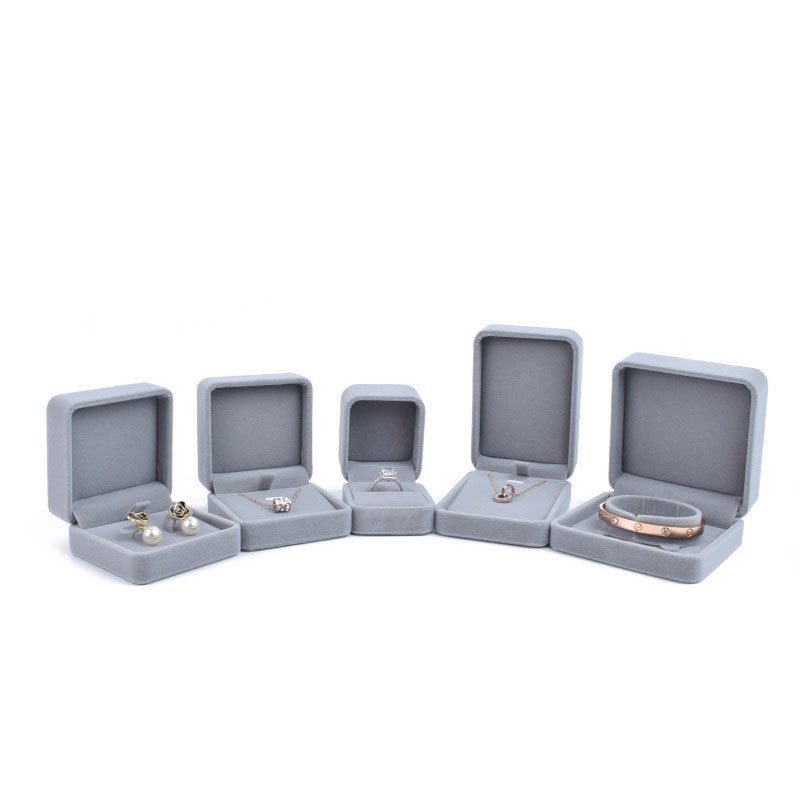
Velvet changes the visual and tactile character of the package immediately. Instead of placing a ring, pendant, or pair of earrings against a hard structural surface, the jewelry is presented against a soft textile background that creates contrast and gives the interior a more finished appearance. For luxury collections, that difference matters because the interior is often visible at the exact moment when the customer forms an impression of the product.
The Interior Material Shapes Perceived Quality
The material touching the jewelry deserves as much attention as the exterior. A soft, well-fitted lining can create a more refined experience, but the lining itself is only one part of the solution. The insert needs to hold the jewelry correctly, prevent unnecessary movement, and keep the product visually centered when the box is opened.
This is especially relevant for rings, necklaces, and earrings because each format creates different internal requirements. A ring slot needs to provide stable support, while a necklace may require a hook or structured panel. A deeper look at the internal side of jewelry packaging is therefore useful when designing a premium box, particularly because the inside can affect both product protection and presentation.
Velvet Color and Jewelry Contrast
Velvet also influences how the jewelry itself appears. Dark interiors can create a strong contrast with bright metals, while lighter colors can produce a softer and more understated presentation. The choice should correspond with the brand identity and the jewelry collection rather than following a fixed color formula.
Consistency becomes important when a brand offers multiple product lines. If ring, necklace, bracelet, and earring boxes use related exterior materials and interior colors, customers can recognize the packaging system even when the internal formats are different. This makes velvet more than an interior material; it becomes part of the visual language of the jewelry packaging.
How Magnetic Closures Change the Unboxing Experience
The closure is one of the first functional elements customers interact with. A magnetic closure jewelry box can create a smoother transition between closed storage and product presentation because the lid or flap can return to a defined closing position without relying on a complicated fastening mechanism.
Controlled Opening and Closing
Magnetic closures work best when the strength of the magnet is matched to the box construction. Too little force can leave the package feeling insecure, while too much force can make opening uncomfortable or place unnecessary stress on the structure.
Alignment is equally important. The magnet should close the box cleanly and maintain the intended position of the lid. This is why physical sampling matters for premium packaging. A specification sheet can describe the dimensions and materials, but the actual sample allows buyers to evaluate the opening force, alignment, and tactile response directly.
Magnetic Closures and Premium Unboxing
The appeal of a magnetic closure is not simply convenience. It can create a controlled opening sequence in which the customer's attention moves naturally from the exterior branding to the interior jewelry. When combined with a velvet insert, the opening can reveal the product against a contrasting background without requiring additional mechanical elements.
This makes the magnetic closure particularly relevant to premium jewelry packaging where the unboxing experience is part of the product presentation. The closure should therefore be designed together with the lid, insert, board, and surface material instead of being added after the main structure has already been finalized.
Matching Velvet Inserts to Different Jewelry Types
A velvet interior is most effective when its structure matches the jewelry. Using the same insert format for every product can weaken both protection and presentation because different jewelry types move differently inside the box.
Ring and Earring Inserts
Ring packaging usually needs a narrow slot or shaped support that keeps the ring upright and centered. The slot should be secure without making the product difficult to remove. Earring packaging needs a different arrangement because the pair needs to remain aligned while providing enough space for convenient handling.
The combination of velvet and a precisely shaped insert can create a visually clean interior. Buyers evaluating a velvet lined jewelry box should therefore look at the finished insert rather than judging the textile surface on its own.
Necklace and Bracelet Inserts
Necklaces and bracelets create more complex internal requirements because chains can move, overlap, or tangle during transportation. Hooks, panels, slots, and shaped supports can help keep the jewelry organized while the box is closed.
The internal structure should also leave enough room for the actual chain length and clasp position. This is where custom jewelry packaging becomes useful, because the box can be developed around the product instead of forcing different jewelry formats into a generic cavity.
Choosing the Right Outer Construction
The exterior structure determines how the velvet interior and magnetic closure work together. Rigid board is often considered when the packaging needs to maintain a substantial shape and support premium surface materials.
Rigid Construction and Structural Stability
A rigid jewelry packaging box provides a stable foundation for the internal insert. It can also support specialty papers, textured surfaces, foil stamping, embossing, and other finishing processes without changing the basic opening structure.
However, greater rigidity also affects material consumption, weight, and shipping volume. Buyers should therefore evaluate the box as a complete specification. A competitive packaging solution should deliver the intended premium experience without adding unnecessary material that has little functional benefit.
Exterior Materials and Brand Identity
The exterior can be customized to create different brand personalities. Smooth paper may support a clean contemporary identity, while textured or leather-look paper can create a more tactile impression. The logo can then be applied through printing, foil stamping, embossing, or other suitable finishing methods.
When the exterior and velvet interior are designed together, the result feels more intentional. A dark exterior with a contrasting interior, for example, can create a clear transition between the closed package and the product reveal. This is where custom design becomes more valuable than simply selecting a standard stock box.
Quality Control for Premium Jewelry Packaging
Premium materials cannot compensate for inconsistent manufacturing. When customers handle a jewelry packaging box, small details such as uneven gaps, loose inserts, misaligned closures, or inconsistent surfaces can become immediately noticeable.
What Buyers Should Check
Buyers should inspect the insert fit, velvet surface, magnetic alignment, lid movement, dimensions, and logo placement during sample approval. Repeated opening and closing can reveal whether the closure remains stable and whether the structure holds its shape.
The actual jewelry should also be placed inside the box during testing. This provides a much more realistic assessment of the final presentation and can expose clearance or insert problems that are invisible when the box is empty.
Consistency Across Production Batches
For jewelry brands with recurring orders, consistency matters as much as the first sample. The same material combination, insert layout, magnetic position, and finishing specification should be reproducible across future production batches.
This is particularly important when several box sizes form one collection. A consistent packaging system helps the brand maintain a recognizable presentation even when the internal dimensions and jewelry formats vary.
When Velvet and Magnetic Closures Make Commercial Sense
The combination works particularly well when the packaging itself plays a role in perceived product value. It can support luxury jewelry, premium gifting, limited collections, and brands where the opening experience is intentionally designed.
It may be less appropriate for products where packaging cost, shipping volume, or extremely high order quantities are the dominant priorities. In those cases, buyers may choose simpler structures while retaining selected premium elements such as a quality insert or refined logo finishing. The right choice depends on which packaging features create measurable value for the product and customer.
For brands developing a new jewelry packaging collection, the most efficient starting point is to define the product dimensions, preferred velvet finish, insert structure, magnetic closure, exterior material, and expected order quantity together. Once those requirements are clear, the packaging can be developed as one coordinated system rather than a collection of separate upgrades. Buyers can then Get a Free Quote for a specification matched to the product and intended market.
FAQ
Why are velvet lined jewelry boxes suitable for luxury jewelry?
Velvet can create a soft tactile surface and provide strong visual contrast with jewelry. Its value is greatest when the material is combined with a suitable insert structure that secures the product and supports a refined presentation.
What makes a magnetic closure jewelry box feel premium?
Consistent alignment, appropriate magnetic strength, smooth opening, and a well-built box structure all contribute to the experience. The closure works best when it is integrated with the insert, lid, and overall box design.
Can velvet jewelry boxes be customized for different jewelry products?
Yes. The outer structure, velvet color, insert shape, dimensions, and internal support can be adapted for rings, earrings, necklaces, bracelets, and other jewelry formats.
Should a magnetic jewelry packaging box be sampled before bulk production?
Yes. Sampling allows buyers to evaluate closure strength, alignment, insert fit, product positioning, and overall presentation before a larger production run.
Table of Contents
- Why Velvet Creates a Distinctive Jewelry Presentation
- How Magnetic Closures Change the Unboxing Experience
- Matching Velvet Inserts to Different Jewelry Types
- Choosing the Right Outer Construction
- Quality Control for Premium Jewelry Packaging
- When Velvet and Magnetic Closures Make Commercial Sense
- FAQ