Versatile Customization Options for Every Business Model
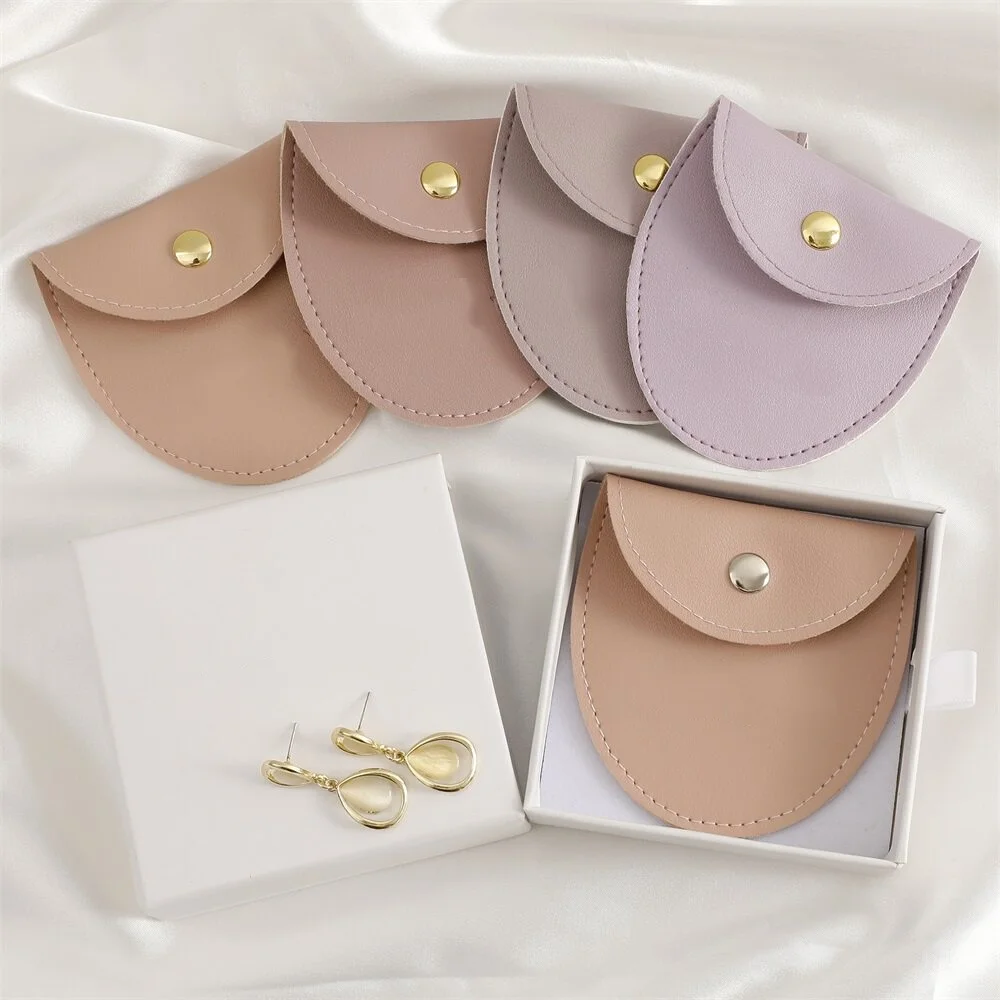
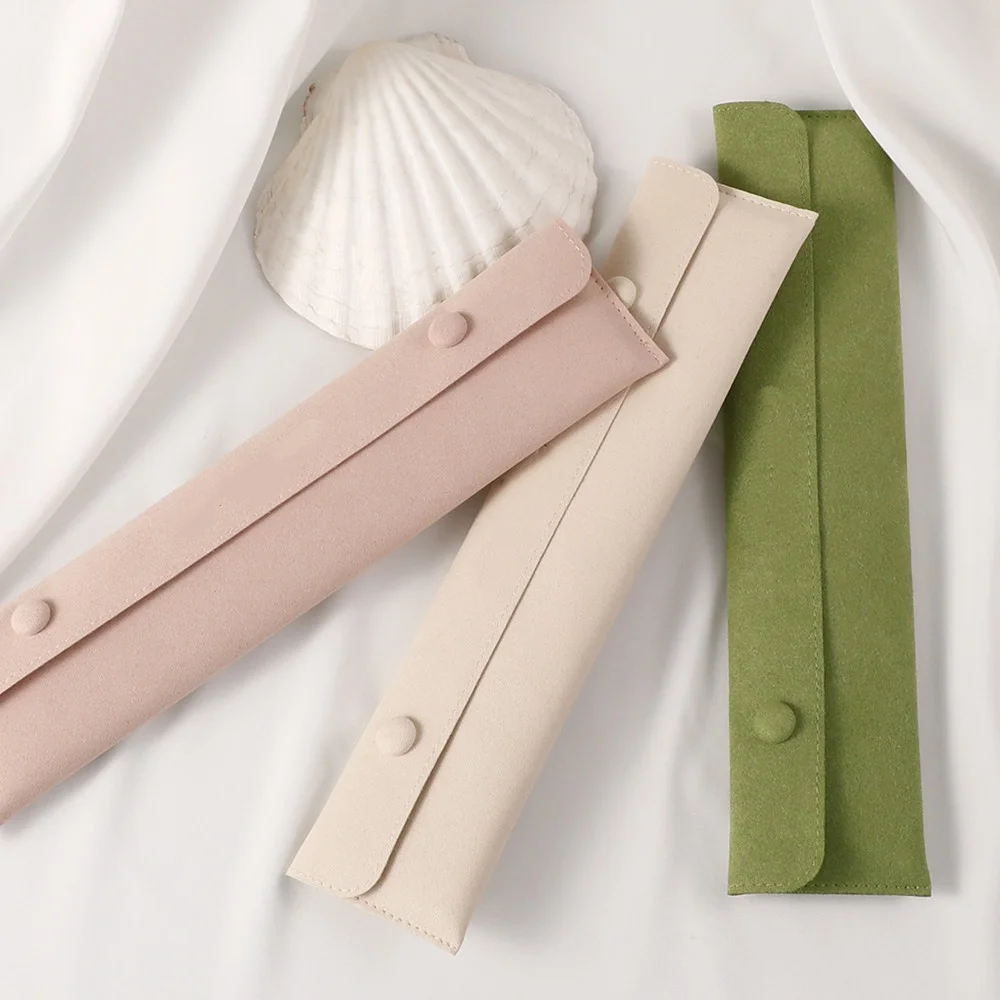
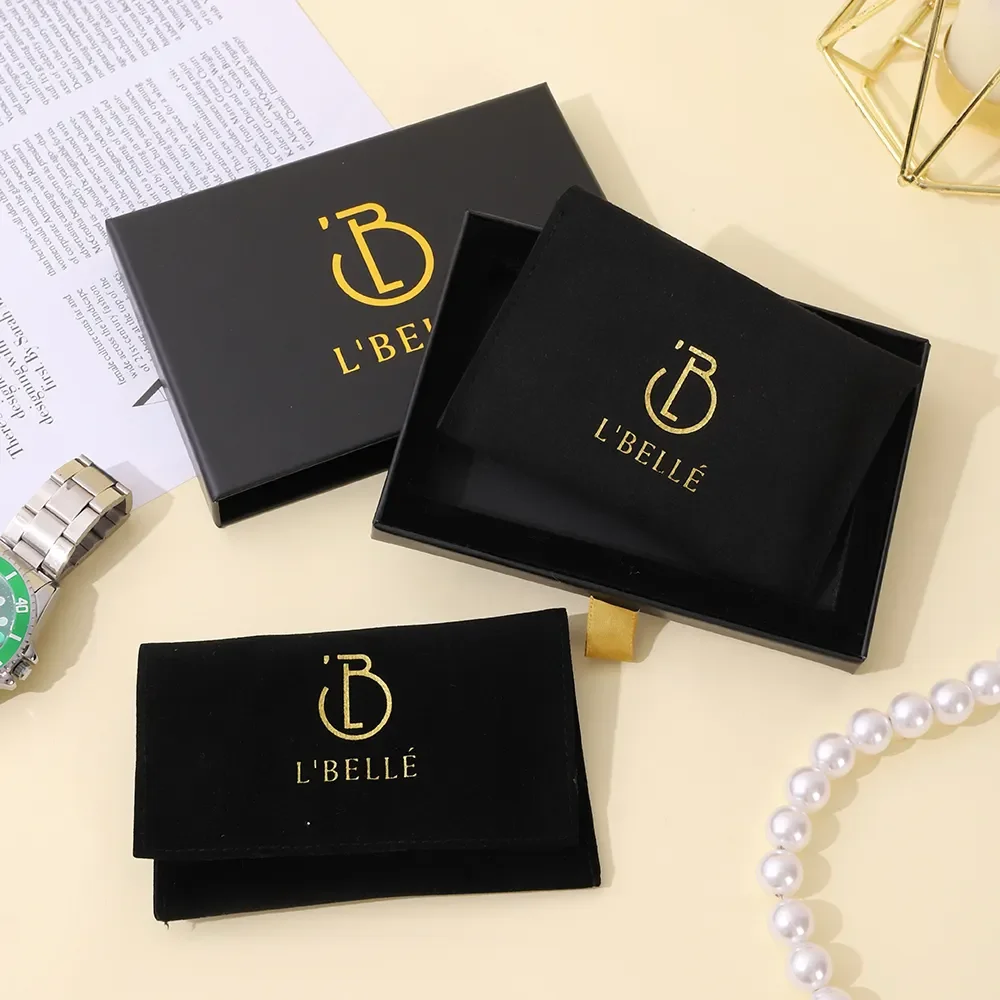
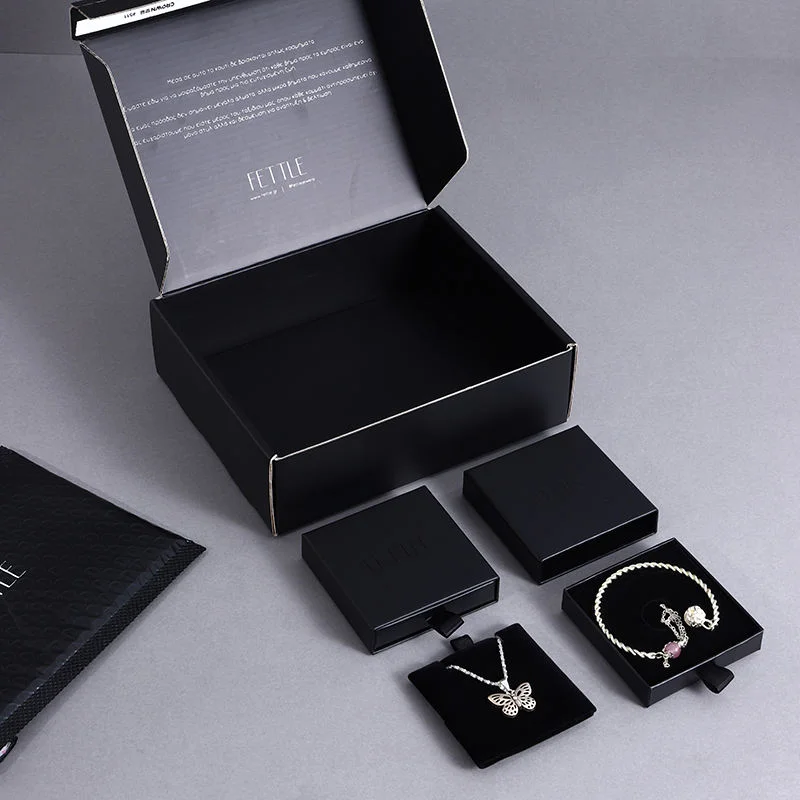
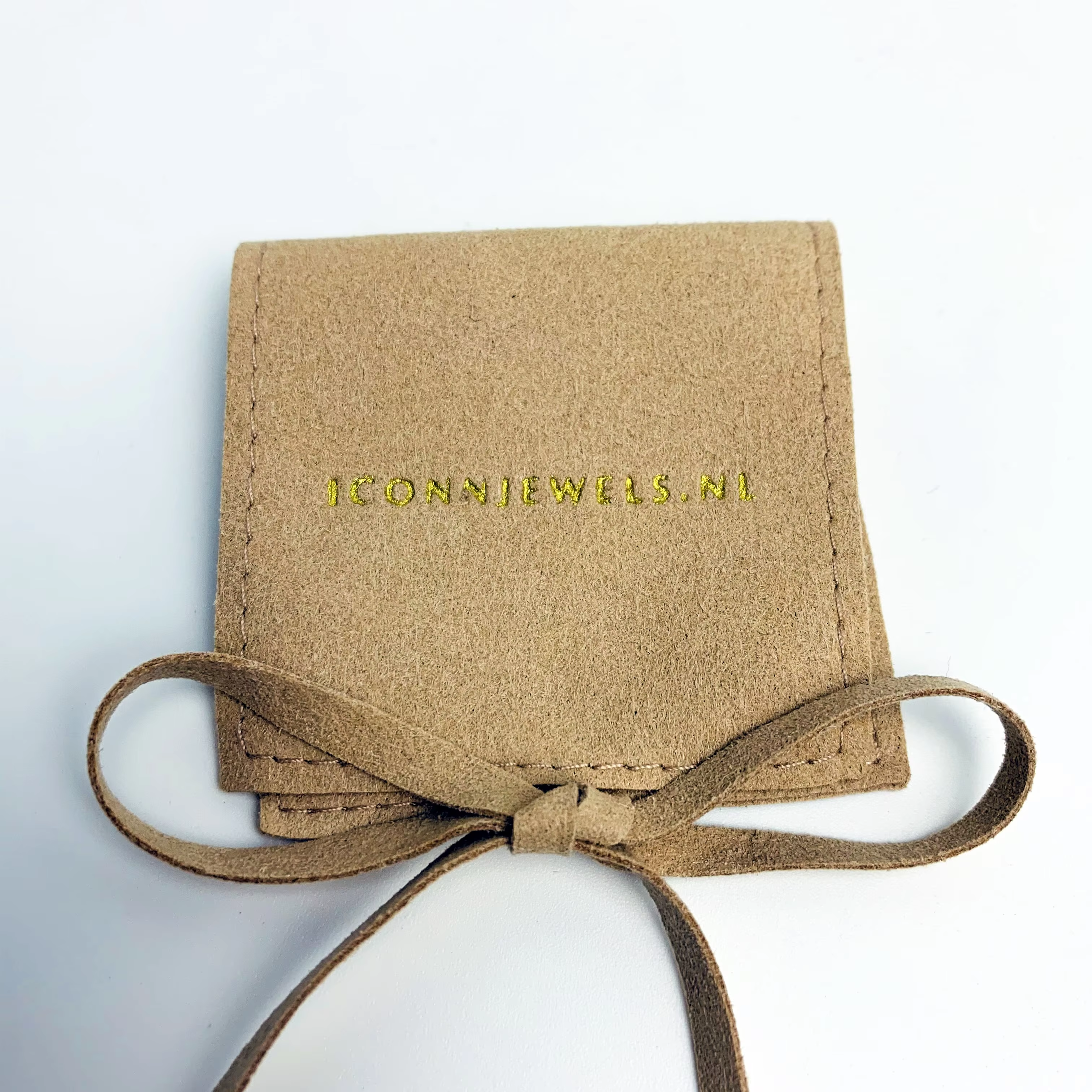
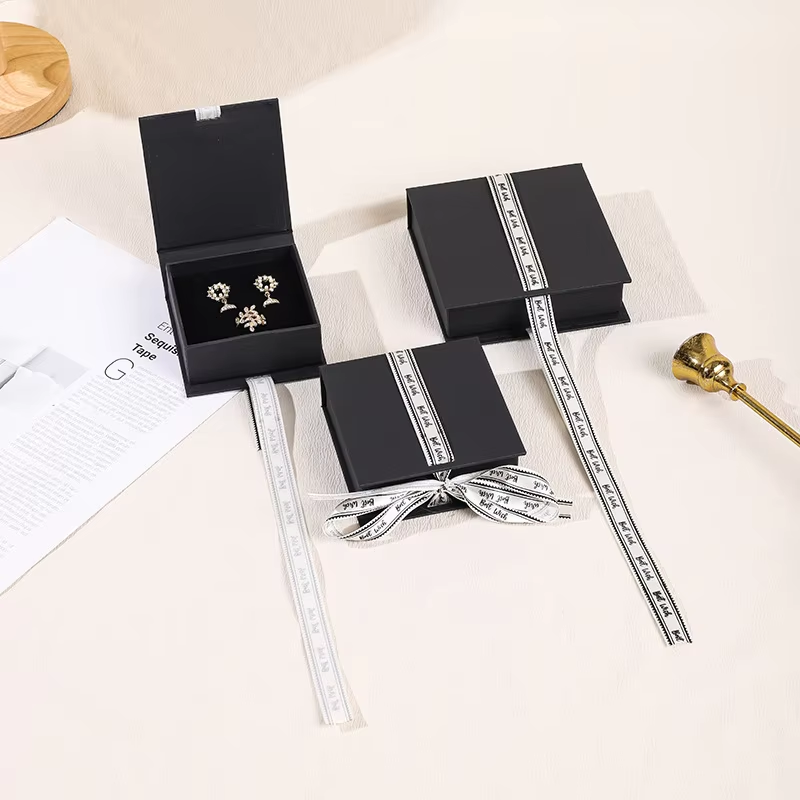
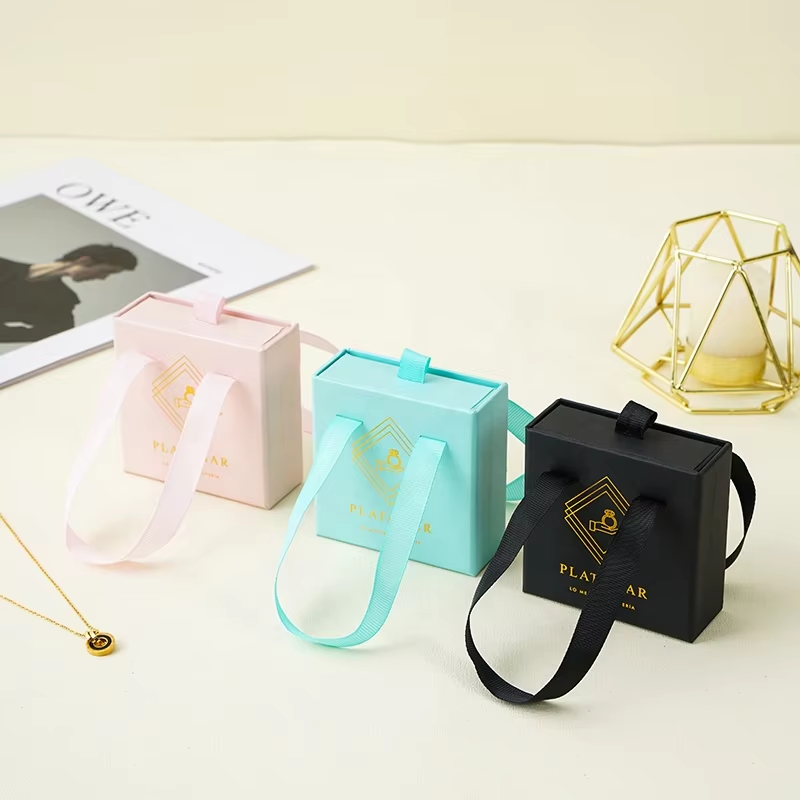
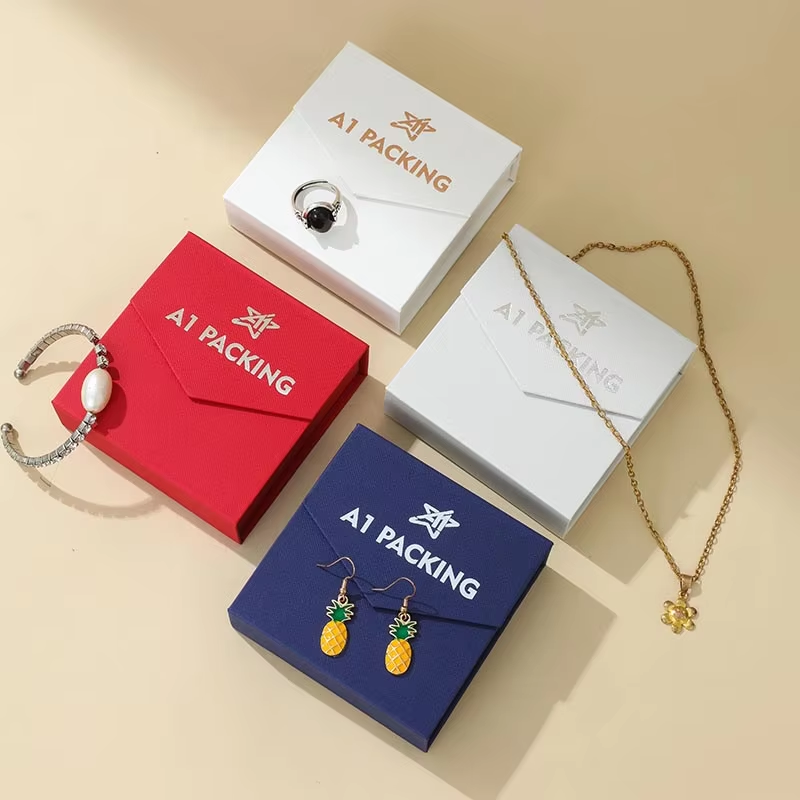
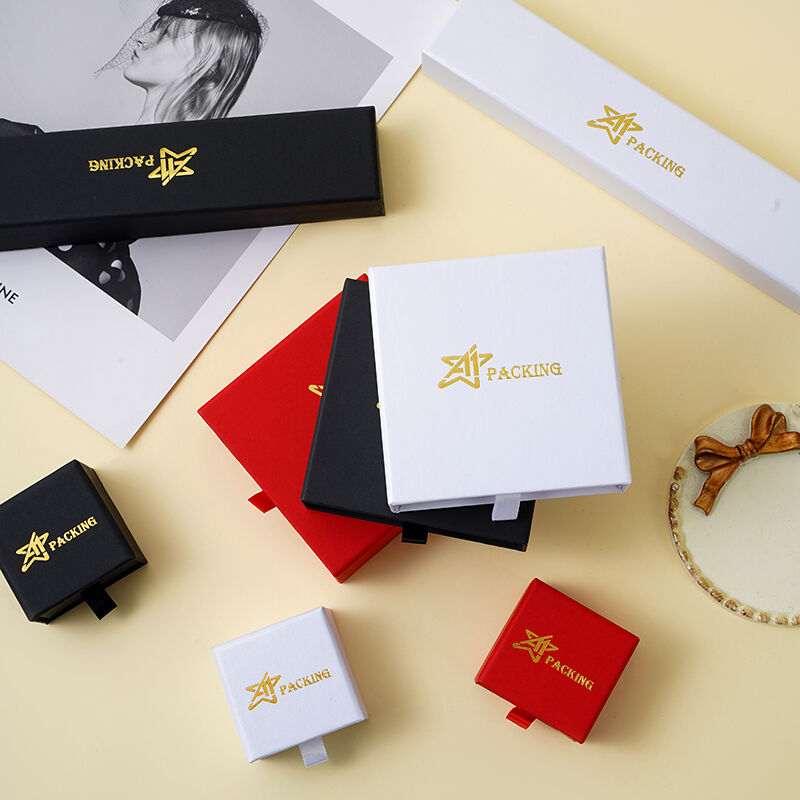
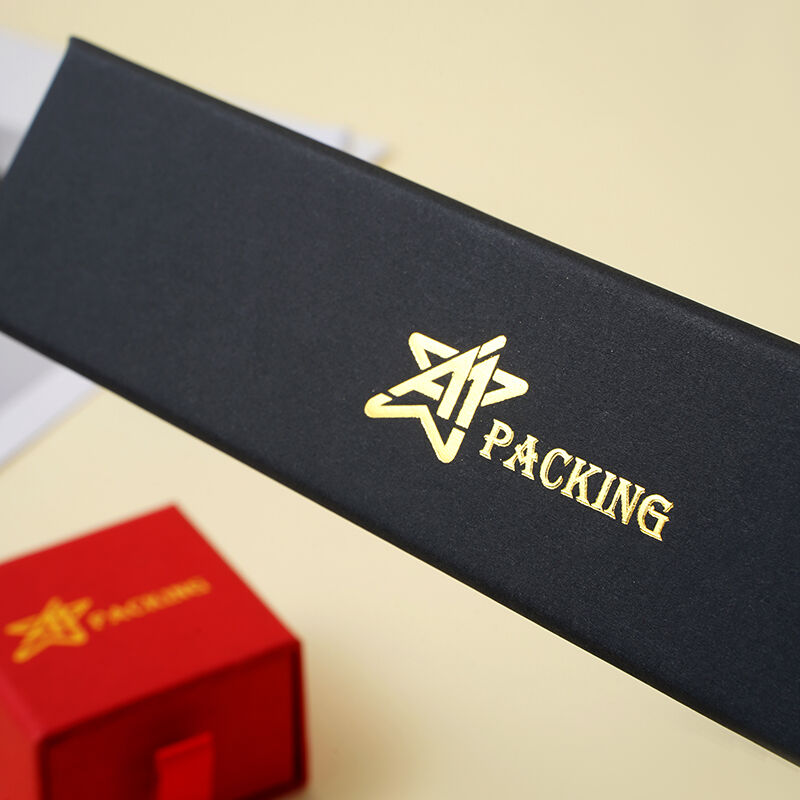
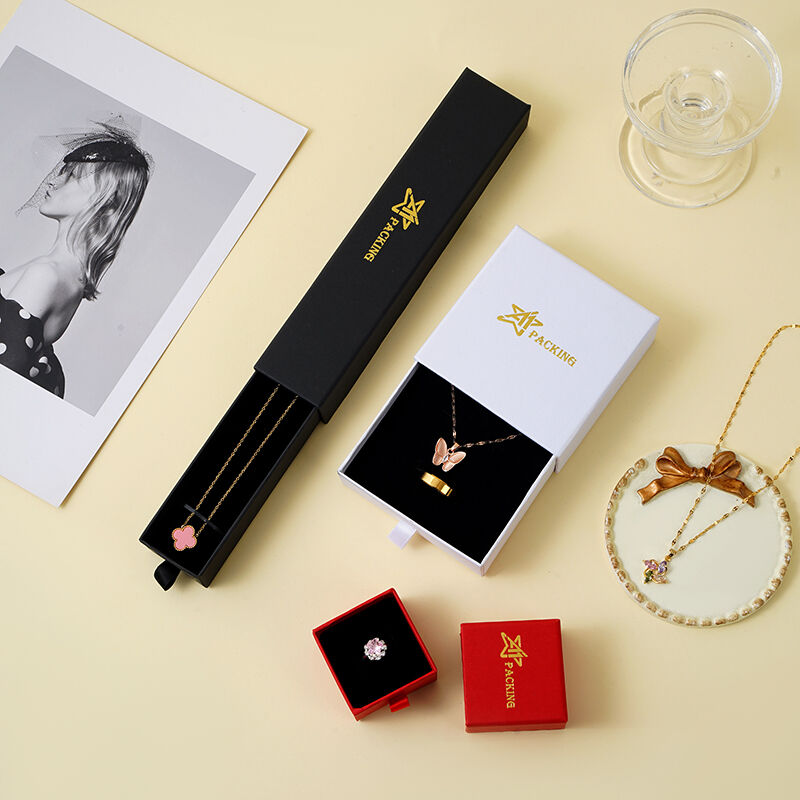
The remarkable adaptability of customized necklace boxes accommodates diverse business models, product ranges, and marketing strategies through extensive personalization options that address specific operational requirements and aesthetic preferences. Small artisan jewelers can leverage customization to compete with established brands by creating packaging that reflects their unique artistic vision and handcrafted ethos, using materials like recycled papers, natural fibers, or hand-finished details that align with sustainability values and attract environmentally conscious consumers. Large-scale retailers benefit from consistent branding across product lines while implementing tiered packaging systems where different customization levels correspond to jewelry price points, allowing entry-level products to feature simplified custom boxes while premium collections receive elaborate packaging with enhanced finishes and structural complexity. Seasonal customization capabilities enable businesses to refresh packaging designs for holiday periods, special events, or limited edition collections without maintaining permanent inventory of specialized boxes, as digital printing technologies allow economical short-run production. Wedding and bridal jewelry specialists can customize boxes with romantic design elements, coordinating colors with popular wedding themes, and even personalize individual boxes with couple names or wedding dates for memorable presentation during proposals or bridal party gifts. Corporate clients ordering customized necklace boxes for employee recognition programs or client appreciation gifts can incorporate company branding alongside elegant jewelry presentation, creating dual-purpose packaging that honors recipients while reinforcing corporate identity. E-commerce businesses particularly benefit from customization that transforms shipping boxes into brand experiences, as online customers lack physical store environments and rely entirely on delivered packaging to form brand impressions. Custom printing allows inclusion of detailed product information, care instructions, return policies, and promotional codes for future purchases directly on packaging, reducing need for separate printed materials while ensuring customers receive essential information. Size variation options within customized necklace box programs accommodate diverse product specifications, from delicate chain necklaces requiring minimal space to statement pieces with large pendants needing substantial interior volume, allowing businesses to maintain brand consistency across entire product catalogs despite varying dimensions. Material selection flexibility enables alignment with brand positioning, as luxury brands might select leather or wooden boxes with silk interiors, contemporary brands might choose sleek acrylic or minimalist cardboard with bold graphics, and eco-friendly brands might opt for bamboo, cork, or seed-paper boxes embedded with wildflower seeds that customers can plant. Finishing techniques offer additional differentiation through embossing that creates dimensional brand logos customers can feel, debossing that creates subtle sophistication through recessed designs, window cutouts that preview jewelry without opening the box, and custom die-cut shapes that break away from standard rectangular formats to create distinctive silhouettes. Interior customization extends beyond material selection to include printed graphics, brand stories, or artistic designs that transform the inside lid into additional brand real estate, while modular insert systems allow businesses to reconfigure interiors for different product types using the same external box design. Testing and prototyping services offered by quality manufacturers ensure customized necklace boxes meet functional requirements before large-scale production, allowing businesses to verify structural integrity, closure mechanisms, and aesthetic appeal through sample evaluation. Minimum order quantities vary significantly among suppliers, with some accommodating small businesses through low minimums while others require substantial volumes suitable for established retailers, making it essential to identify manufacturing partners aligned with your business scale and growth trajectory.

 EN
EN