
 EN
EN



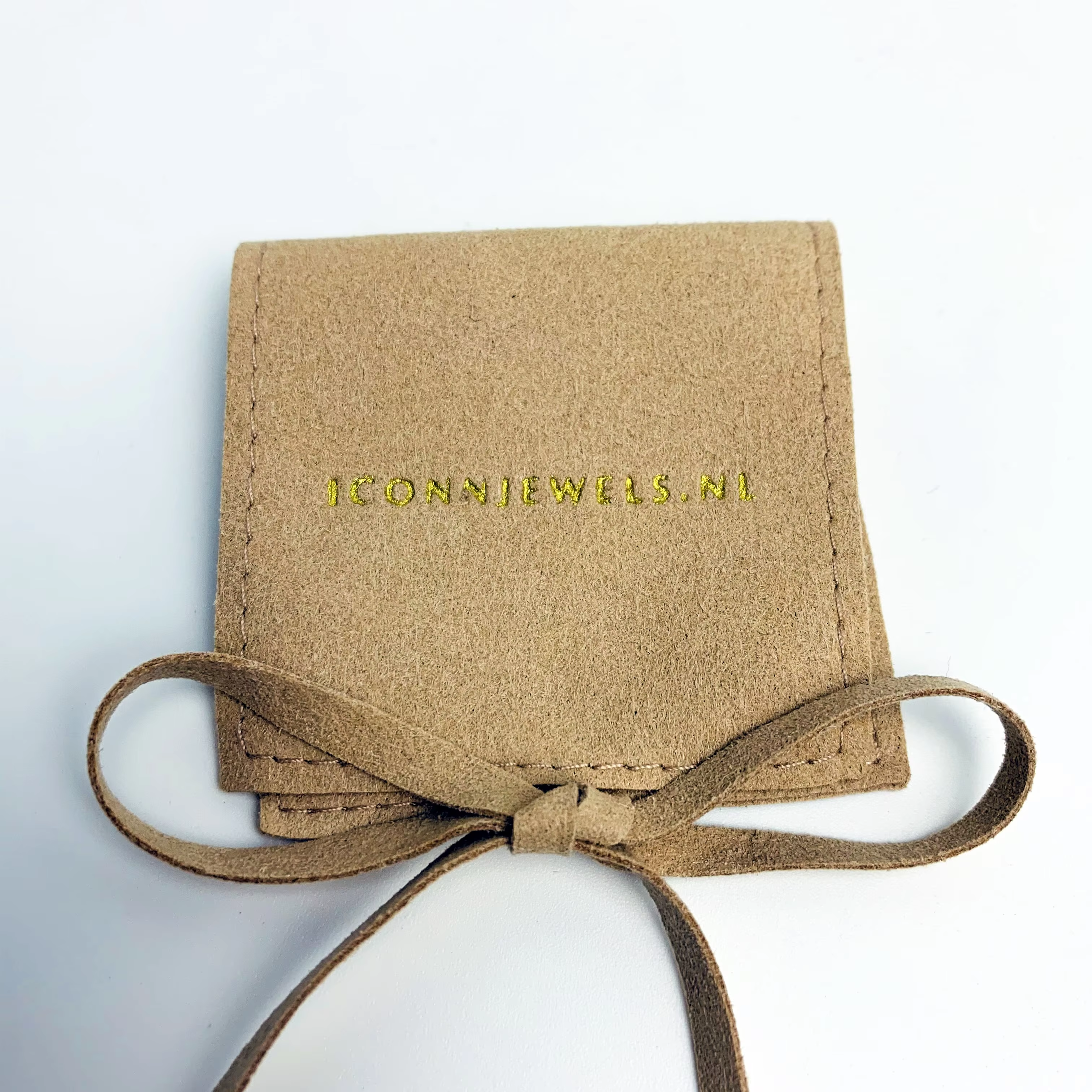
In the competitive luxury market, brand prestige is built through meticulous attention to every customer touchpoint, and custom jewelry packaging serves as the first physical interaction between your brand and the customer. The unboxing experience has evolved from a simple protective measure into a powerful branding moment that shapes perceptions, reinforces value, and creates lasting impressions. When customers invest in fine jewelry, they expect more than just the product itself—they anticipate an experience that validates their purchase decision and reflects the quality they've paid for. Custom jewelry packaging transforms this expectation into reality by communicating brand identity, craftsmanship, and exclusivity before the jewelry piece is even revealed.
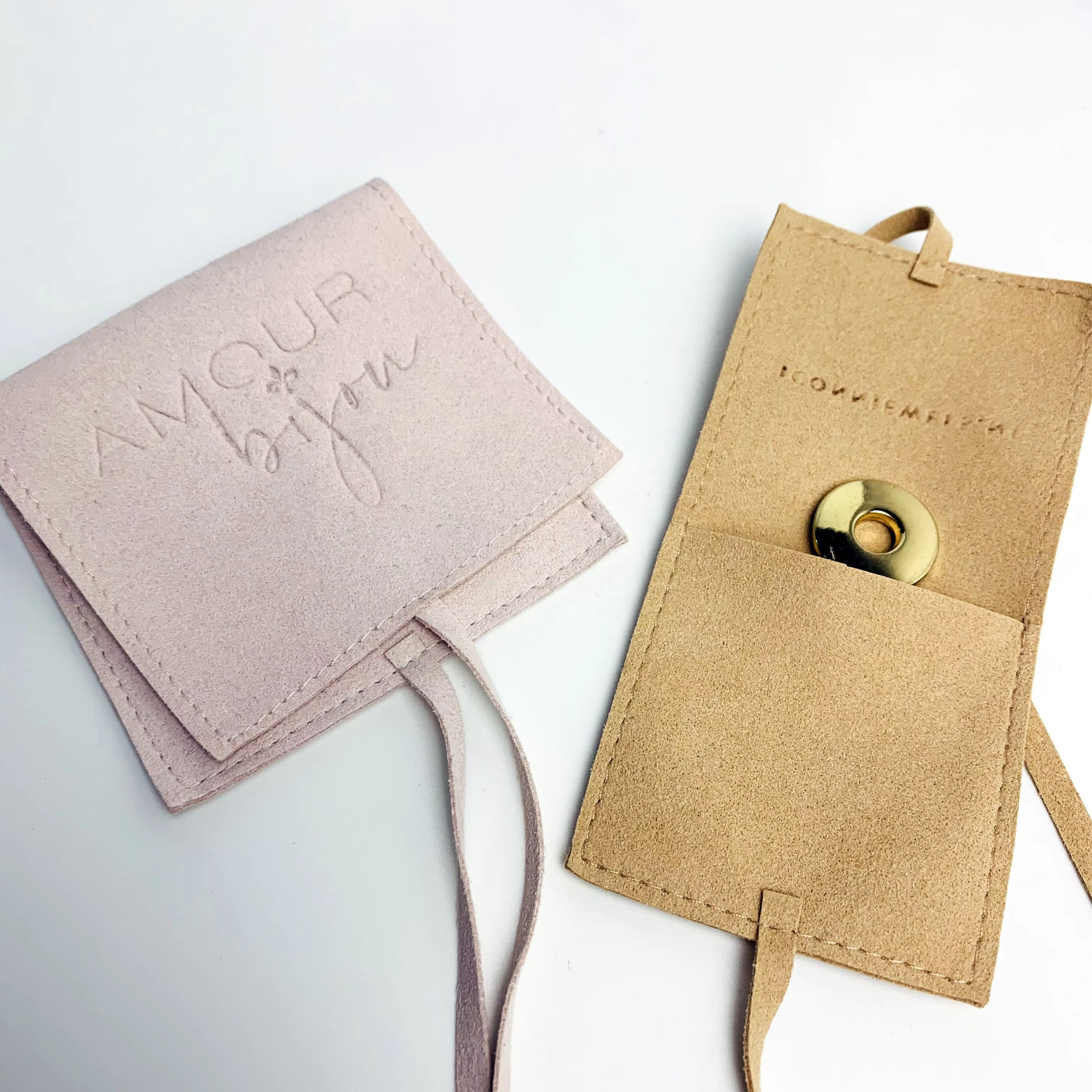
The relationship between jewelry packaging and brand prestige extends far beyond aesthetics, touching on psychological triggers, perceived value mechanisms, and long-term brand equity building. Luxury consumers demonstrate heightened sensitivity to packaging quality, with research indicating that premium packaging directly influences purchase decisions and willingness to pay higher prices. Custom packaging solutions enable jewelry brands to differentiate themselves in saturated markets, create memorable brand experiences, and establish emotional connections that drive customer loyalty and advocacy. Understanding why custom jewelry packaging is essential for brand prestige requires examining the multifaceted ways packaging influences consumer psychology, brand positioning, and competitive advantage in the luxury jewelry sector.
The Psychological Foundation of Packaging and Prestige Perception
Sensory Experience and Cognitive Value Assignment
Custom jewelry packaging engages multiple sensory channels simultaneously, creating a holistic experience that shapes how customers perceive brand value. The tactile sensation of premium materials, the visual impact of sophisticated design elements, and even the subtle sound of a well-constructed box opening work together to signal quality and exclusivity. Neuroscientific research demonstrates that multisensory experiences create stronger memory encoding and emotional responses compared to single-sensory interactions. When customers handle thoughtfully designed jewelry packaging, their brains process these sensory inputs as indicators of the product's inherent value, establishing a cognitive framework that elevates their perception of both the jewelry and the brand itself.
The concept of haptic feedback plays a crucial role in this perception formation process. Textured surfaces, weighted materials, and precision engineering in jewelry packaging communicate craftsmanship through touch alone. Luxury consumers have developed refined sensory expectations through exposure to premium products across categories, and jewelry packaging must meet or exceed these benchmarks to maintain brand prestige. The physical interaction with packaging creates an anticipatory pleasure response, preparing customers emotionally for the jewelry reveal while reinforcing the decision to purchase from a particular brand. This psychological preparation amplifies satisfaction and reduces cognitive dissonance that sometimes accompanies significant purchases.
The Ritual of Unboxing and Emotional Engagement
Custom jewelry packaging transforms product delivery into a ceremonial experience that deepens emotional connections between consumers and brands. The structured unboxing sequence—from removing outer wrapping to opening the main case and revealing the jewelry nestled within—creates narrative tension and resolution that mirrors storytelling principles. This ritualistic aspect satisfies fundamental human desires for discovery and reward, making the purchase feel more meaningful and memorable. Brands that invest in sophisticated jewelry packaging design essentially choreograph these moments, ensuring each step reinforces prestige positioning and brand values.
The emotional impact of unboxing extends beyond the initial customer experience to influence sharing behavior and social validation. In the digital age, unboxing rituals have become shareable content, with customers photographing and posting their experiences across social media platforms. Premium jewelry packaging naturally photographs well and provides visual proof of luxury investment, amplifying brand visibility through organic customer advocacy. This social dimension multiplies the value of custom packaging investments, as each thoughtfully designed package becomes a potential marketing asset that reaches extended networks. The emotional satisfaction customers derive from impressive jewelry packaging correlates directly with their likelihood to become brand ambassadors who recommend the jeweler to others.
Strategic Differentiation Through Custom Packaging Solutions
Brand Identity Expression and Market Positioning
Custom jewelry packaging serves as a three-dimensional brand statement that communicates positioning strategy without words. Every design choice—from color palettes and material selection to structural engineering and finishing techniques—conveys specific brand attributes and market positioning. Heritage jewelry brands might employ classic design languages with traditional materials that signal timelessness and established reputation, while contemporary designers could leverage innovative structures and unexpected material combinations to communicate creativity and forward-thinking values. The packaging becomes an extension of the brand's visual identity system, ensuring consistency across all customer touchpoints and reinforcing recognition in competitive markets.
The strategic use of jewelry packaging enables precise market segmentation and targeted appeal to specific customer demographics. Luxury tier differentiation can be physically manifested through packaging hierarchies, with entry-level pieces presented in elegant but simpler packages while high-value items receive elaborate custom solutions featuring premium materials and complex construction. This tiered approach allows brands to maintain prestige at the top end while remaining accessible to aspirational customers, using packaging as a tangible indicator of product positioning within the brand portfolio. The visual and tactile differences between packaging tiers reinforce value perception and create aspirational motivation for customers to progress toward higher-end purchases.
Competitive Advantage in Homogeneous Markets
In markets where jewelry products themselves may appear similar across competitors, custom packaging provides critical differentiation that influences purchase decisions. When customers compare jewelry pieces of comparable quality and design, the presentation and packaging often become decisive factors. Sophisticated jewelry packaging signals that a brand invests in the complete customer experience rather than just the product itself, suggesting attention to detail and customer care that extends beyond the sale. This comprehensive quality approach resonates particularly with luxury consumers who evaluate brands holistically and expect excellence across all dimensions of their interaction.
Custom jewelry packaging also creates practical competitive barriers that smaller or less established competitors struggle to overcome. The investment required to develop distinctive packaging systems, establish relationships with specialized manufacturers, and maintain quality consistency represents a significant entry threshold. Established brands with refined packaging solutions benefit from this barrier, as their presentation quality becomes an expected standard that new entrants must match or exceed. The cumulative effect of years of packaging refinement and brand association creates intangible value that cannot be easily replicated, contributing to sustained competitive advantage and market position protection.
The Economic Rationale Behind Premium Packaging Investment
Perceived Value Enhancement and Price Justification
Custom jewelry packaging directly influences customers' willingness to accept premium pricing by creating tangible evidence of value beyond the jewelry piece itself. The economic principle of perceived value recognizes that customers assess worth through both objective product attributes and subjective experiential factors. High-quality jewelry packaging adds to the total value proposition, making premium prices feel justified and reasonable rather than excessive. This psychological pricing effect proves particularly important in luxury markets where emotional satisfaction and prestige signaling often outweigh purely functional product evaluation.
The investment in superior jewelry packaging generates measurable returns through multiple mechanisms. Enhanced perceived value supports higher price points without customer resistance, effectively increasing profit margins on each transaction. The memorable unboxing experience reduces return rates by increasing satisfaction and purchase certainty, lowering costs associated with reverse logistics and restocking. Additionally, impressive packaging contributes to positive word-of-mouth marketing and social media exposure, reducing customer acquisition costs for future sales. When evaluated comprehensively, premium packaging investments demonstrate favorable return on investment profiles that justify initial capital outlays and ongoing production costs.
Long-Term Brand Equity Building Through Packaging Consistency
Strategic jewelry packaging programs contribute to brand equity accumulation over time by creating consistent quality signals that customers internalize and associate with the brand name. Each positive packaging experience reinforces brand identity and strengthens mental associations between the brand and premium quality. This cumulative effect builds intangible asset value that manifests in customer loyalty, pricing power, and brand resilience during market fluctuations. The long-term perspective on packaging investment recognizes that each package serves not just the immediate transaction but the ongoing relationship between brand and customer.
Brand equity built through consistent jewelry packaging excellence provides protective value during competitive pressures and market challenges. Customers who have experienced superior packaging develop loyalty that makes them less susceptible to competitor offers based solely on price or product features. This loyalty translates to customer lifetime value increases, as satisfied customers return for additional purchases and resist switching to alternative brands. The economic value of retained customers far exceeds that of new customer acquisition, making packaging investments that drive retention particularly valuable from a financial perspective. Brand equity built through packaging consistency becomes a strategic asset that supports business valuation and long-term enterprise value.
Technical Excellence and Craftsmanship Communication
Material Quality as Proxy for Product Quality
The materials selected for custom jewelry packaging function as tangible indicators of the quality customers can expect from the jewelry itself. Consumers instinctively evaluate brands through any physical evidence available, and packaging materials provide immediate, accessible quality signals before the jewelry is examined. Premium materials such as sustainably sourced woods, high-grade paperboard, genuine leather accents, or specialized fabrics communicate that the brand prioritizes quality throughout all aspects of its operation. This material quality correlation creates a halo effect where packaging excellence reinforces confidence in jewelry craftsmanship and materials.
Technical sophistication in jewelry packaging construction demonstrates engineering precision that parallels fine jewelry manufacturing. Complex folding mechanisms, precision-fitted components, magnetic closures, and innovative structural solutions showcase technical capabilities that suggest similar attention to detail in jewelry creation. When customers encounter cleverly engineered packaging that functions flawlessly, they unconsciously extend that quality assessment to the jewelry brand overall. The demonstration of craftsmanship through packaging design validates premium positioning and supports the narrative that the brand represents excellence in execution across all dimensions of its work.
Sustainable Luxury and Contemporary Prestige Values
Modern brand prestige increasingly incorporates environmental responsibility, and custom jewelry packaging provides opportunities to demonstrate commitment to sustainable luxury principles. Contemporary luxury consumers, particularly younger demographics, evaluate brands through ethical and environmental lenses alongside traditional quality criteria. Jewelry packaging that employs recycled materials, minimizes waste, uses biodegradable components, or incorporates innovative sustainable materials communicates values alignment that enhances brand prestige among these conscious consumers. The challenge lies in maintaining luxury presentation standards while adopting sustainable approaches, requiring sophisticated design solutions that prove environmental responsibility need not compromise aesthetic excellence.
The integration of sustainability into jewelry packaging strategies represents forward-thinking brand management that anticipates evolving consumer expectations. Brands that pioneer sustainable luxury packaging solutions position themselves as industry leaders rather than reactive followers, gaining prestige through innovation and responsible business practices. This positioning proves particularly valuable as regulatory frameworks increasingly address packaging waste and environmental impact, with proactive brands avoiding costly last-minute adaptations while enjoying positive brand associations. Sustainable jewelry packaging thus serves dual purposes of meeting current consumer values while future-proofing brand reputation against evolving standards and expectations.
The Experiential Ecosystem and Customer Journey Integration
Packaging as Brand Experience Continuity
Custom jewelry packaging ensures experiential consistency between in-store brand interactions and the at-home unboxing moment. For online purchases, packaging becomes the primary physical brand representative, shouldering complete responsibility for translating digital brand promises into tangible reality. The design must capture the essence of boutique environments, sophisticated brand aesthetics, and personalized service that characterize luxury jewelry retail. When jewelry packaging successfully bridges the digital-physical divide, it validates online purchase decisions and reduces the anxiety that sometimes accompanies significant remote purchases.
The customer journey perspective recognizes that jewelry packaging influences multiple decision points beyond the initial purchase. Impressive packaging enhances gift-giving scenarios, where the presentation directly affects both giver satisfaction and recipient impression. The package becomes part of the gift itself, amplifying the gesture's impact and reflecting the giver's thoughtfulness. For personal purchases, quality jewelry packaging facilitates long-term product storage and protection, keeping the brand present in customers' lives through ongoing interaction with storage solutions. This extended brand presence creates multiple re-engagement opportunities and keeps the brand top-of-mind for future jewelry needs.
Personalization and Individual Recognition
Advanced custom jewelry packaging strategies incorporate personalization elements that transform generic luxury into individual recognition. Monogramming, custom color selections, personalized messages, or bespoke structural modifications communicate that the brand values each customer as an individual rather than an anonymous transaction. This personalization dimension amplifies prestige by creating exclusive experiences that cannot be replicated through standard offerings. The effort invested in personalized packaging signals customer importance and strengthens emotional bonds that transcend transactional relationships.
Technology integration in jewelry packaging design enables scalable personalization that was previously economically unfeasible. Digital printing technologies, modular component systems, and flexible manufacturing approaches allow cost-effective customization even for relatively small orders. Brands can offer tiered personalization options, with basic customization available broadly while elaborate bespoke packaging serves high-value customers or special occasions. This flexible approach democratizes personalization benefits while maintaining exclusivity at premium tiers, ensuring jewelry packaging remains a prestige-building tool across the customer spectrum.
FAQ
How does jewelry packaging specifically impact customer retention rates?
Jewelry packaging significantly influences customer retention by creating memorable positive experiences that encourage repeat purchases. Quality packaging generates satisfaction that extends beyond the jewelry itself, making customers more likely to return to brands that provide complete luxury experiences. The lasting impression from impressive packaging also serves as a physical reminder of the brand, keeping it present in customers' environments through storage use. Studies indicate that customers who report high satisfaction with packaging presentation demonstrate retention rates fifteen to twenty percent higher than those who receive standard packaging, with the effect amplified in luxury segments where presentation expectations run particularly high.
What ROI can jewelry brands expect from investing in custom packaging solutions?
Return on investment for custom jewelry packaging varies by brand positioning and implementation strategy, but luxury jewelry brands typically observe measurable benefits across multiple metrics. Direct revenue impacts include pricing power increases of ten to thirty percent supported by enhanced perceived value, while marketing efficiency improves through organic social sharing and reduced customer acquisition costs. Customer lifetime value generally increases twenty to forty percent due to improved retention and higher repurchase frequencies. When calculated comprehensively including brand equity appreciation, reduced return rates, and extended customer relationships, custom jewelry packaging investments typically achieve positive ROI within eighteen to thirty-six months, with ongoing benefits accruing thereafter as brand associations strengthen.
Can sustainable jewelry packaging maintain the same prestige level as traditional luxury materials?
Sustainable jewelry packaging absolutely can achieve equivalent or superior prestige levels compared to traditional materials when designed with sophistication and executed with technical excellence. Contemporary luxury consumers increasingly view environmental responsibility as a prestige indicator rather than a compromise, particularly among younger demographics who represent future market growth. The key lies in maintaining material quality, design refinement, and construction precision while incorporating sustainable elements. Innovative materials such as mushroom leather, recycled ocean plastics transformed into premium textiles, and responsibly harvested woods can deliver exceptional aesthetic and tactile experiences. Forward-thinking jewelry brands find that sustainable packaging enhances prestige by demonstrating values leadership and design innovation that traditional approaches cannot match.
How frequently should jewelry brands update their custom packaging designs?
Jewelry packaging design refresh frequency should balance brand consistency requirements with market relevance and freshness perceptions. Established luxury brands typically maintain core packaging design systems for five to ten years to build strong associations, implementing minor evolutionary updates every two to three years that modernize details without disrupting recognition. Seasonal variations, limited editions, and special collaboration packaging provide freshness and novelty without compromising primary brand packaging identity. Contemporary brands targeting younger demographics may refresh more frequently, every three to five years, reflecting faster-moving aesthetic preferences in those segments. The strategic approach involves maintaining recognizable brand signatures while evolving secondary elements to prevent staleness, ensuring jewelry packaging remains both familiar and relevant throughout its lifecycle.
Table of Contents
- The Psychological Foundation of Packaging and Prestige Perception
- Strategic Differentiation Through Custom Packaging Solutions
- The Economic Rationale Behind Premium Packaging Investment
- Technical Excellence and Craftsmanship Communication
- The Experiential Ecosystem and Customer Journey Integration
-
FAQ
- How does jewelry packaging specifically impact customer retention rates?
- What ROI can jewelry brands expect from investing in custom packaging solutions?
- Can sustainable jewelry packaging maintain the same prestige level as traditional luxury materials?
- How frequently should jewelry brands update their custom packaging designs?