
 EN
EN



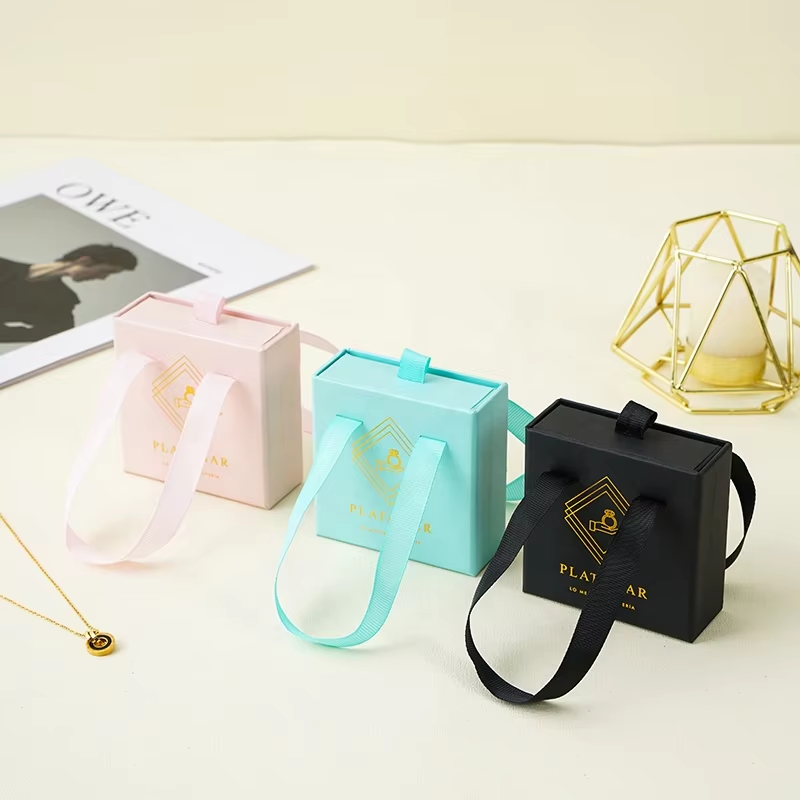
Finding a reliable bulk jewelry packaging manufacturer is a critical decision that can significantly impact your brand reputation, operational efficiency, and profit margins. Whether you are launching a new jewelry line or scaling an existing business, the quality and consistency of your packaging directly influence customer perception and product protection. The challenge lies not just in locating manufacturers, but in identifying partners who can deliver consistent quality, meet volume requirements, maintain competitive pricing, and adapt to your evolving design needs. This comprehensive guide walks you through the systematic process of evaluating, vetting, and selecting a jewelry packaging manufacturer that aligns with your business objectives and quality standards.
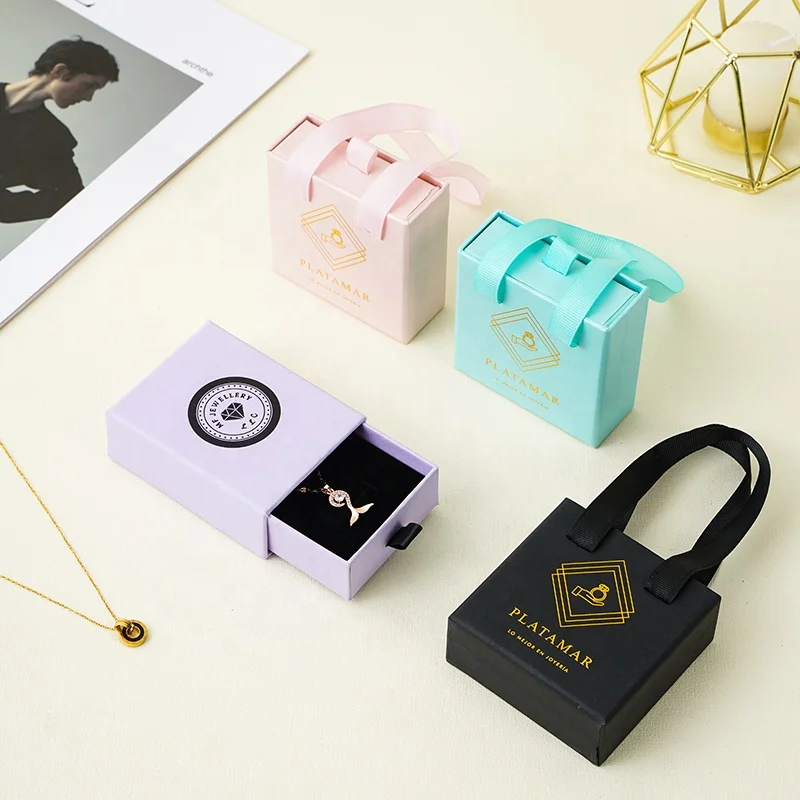
The jewelry packaging industry has evolved dramatically with globalization, technological advancement, and rising consumer expectations for sustainable and aesthetically refined presentation solutions. Manufacturers now range from small specialized workshops to large-scale production facilities with advanced automation capabilities. Understanding how to navigate this landscape, assess manufacturing capabilities, verify credentials, and establish productive partnerships requires strategic insight and careful due diligence. This article provides actionable frameworks for identifying manufacturers who can consistently deliver premium jewelry packaging that protects your products while elevating your brand identity in competitive retail and e-commerce environments.
Understanding Your Jewelry Packaging Requirements Before Manufacturer Search
Defining Volume and Scale Expectations
Before initiating your search for a jewelry packaging manufacturer, establish clear volume requirements that reflect both current needs and projected growth. Bulk orders typically start at minimum quantities ranging from 500 to 5,000 units depending on packaging complexity and customization level. Manufacturers specialize in different production scales, with some excelling in medium-volume runs while others optimize operations for high-volume repetitive orders. Calculate your monthly and annual jewelry packaging needs based on sales forecasts, seasonal fluctuations, and inventory turnover rates. Document whether you require consistent ongoing supply or periodic large batches, as this affects manufacturer selection criteria and pricing structures.
Understanding your volume requirements helps narrow the field to manufacturers with appropriate production capacity and economic efficiency at your scale. Small boutique jewelry brands with monthly needs of 500 to 2,000 units require different manufacturer profiles than established retailers ordering 50,000 units quarterly. Clarify your growth trajectory and whether the manufacturer can scale production as your business expands. Consider lead time requirements, storage capacity limitations, and cash flow implications of different order volumes. Manufacturers with flexible minimum order quantities and scalable production lines provide valuable partnership potential for growing jewelry businesses navigating changing market demands.
Specifying Material and Design Parameters
Define precise specifications for jewelry packaging materials, construction methods, and design elements before approaching manufacturers. Material choices significantly impact product protection, brand perception, sustainability credentials, and cost structures. Common jewelry packaging materials include rigid cardboard, specialty papers, velvet lining, foam inserts, acrylic components, and wood finishes. Specify surface treatments such as matte or glossy lamination, embossing, foil stamping, or UV coating based on your brand aesthetic. Clarify structural requirements like drawer boxes, hinged lids, magnetic closures, or ribbon ties that align with your product presentation strategy.
Detailed specifications enable manufacturers to provide accurate quotations and demonstrate relevant production capabilities. Document dimensional requirements, weight restrictions for shipping optimization, and any special features like anti-tarnish inserts or security seals. Consider sustainability requirements increasingly important to jewelry consumers, including recycled content percentages, biodegradable materials, or FSC-certified paper sources. Prepare reference samples or detailed technical drawings that communicate your vision clearly. The more precisely you articulate jewelry packaging requirements, the more effectively manufacturers can assess fit and propose appropriate solutions that balance aesthetic goals with production feasibility and budget constraints.
Establishing Budget and Value Parameters
Develop realistic budget frameworks that account for total cost of ownership rather than solely focusing on per-unit pricing. Jewelry packaging costs typically represent 3 to 8 percent of product retail value depending on positioning and market segment. Premium jewelry brands often invest higher percentages in distinctive packaging that reinforces luxury positioning, while value-oriented brands optimize cost efficiency. Calculate acceptable cost ranges per unit across different packaging formats, factoring in customization complexity, material quality, and order volumes. Remember that bulk purchasing generally reduces per-unit costs, but requires capital investment and storage considerations.
Beyond unit pricing, evaluate total value including tooling costs, shipping expenses, payment terms, quality consistency, and service responsiveness. Some manufacturers offer lower unit prices but charge separately for design services, printing plates, or custom dies. Others provide comprehensive packages with inclusive pricing structures. Consider payment terms, deposit requirements, and production milestone billing that affect cash flow management. Establish quality thresholds and acceptable defect rates, recognizing that extremely low pricing often correlates with quality compromises that damage brand reputation. Balance cost objectives with quality standards and service reliability to identify manufacturers offering optimal value rather than simply lowest price for your jewelry packaging needs.
Identifying and Researching Potential Jewelry Packaging Manufacturers
Leveraging Online B2B Platforms and Directories
Online B2B marketplaces provide efficient starting points for identifying jewelry packaging manufacturers with bulk production capabilities. Platforms like Alibaba, Global Sources, Made-in-China, and industry-specific directories aggregate thousands of manufacturers with searchable filters for product categories, certifications, location, and minimum order quantities. Use specific search terms including jewelry packaging, jewelry boxes, jewelry display boxes, and watch packaging to surface relevant suppliers. Examine supplier profiles for production capacity indicators, years in business, export markets, and certification badges that signal verified credentials.
Evaluate manufacturer profiles systematically rather than making quick judgments based on attractive product photos alone. Review transaction data, response rates, and customer feedback ratings available on many platforms. Check for Gold Supplier or Verified Manufacturer designations that indicate platform-verified credentials. Examine product catalogs to assess style diversity, customization capabilities, and alignment with your aesthetic preferences. Look for manufacturers showcasing jewelry packaging across multiple product categories, suggesting versatile production capabilities. Download catalogs and technical specifications to compare offerings across multiple manufacturers. Create shortlists of 10 to 15 candidates that demonstrate relevant experience, appropriate scale, and promising capability indicators for deeper evaluation.
Attending Trade Shows and Industry Events
Trade shows focused on packaging, jewelry, or retail supply provide invaluable opportunities to meet jewelry packaging manufacturers face-to-face, examine physical samples, and assess professionalism directly. Major events like Packaging Innovations, Luxe Pack, JCK Las Vegas, and regional jewelry trade shows feature exhibitors specializing in luxury packaging solutions. Trade show participation signals manufacturer investment in marketing and client relationships, often indicating established operations with growth ambitions. Physical examination of jewelry packaging samples at trade shows reveals quality details difficult to assess through online images, including material texture, construction precision, closure mechanisms, and finishing quality.
Prepare targeted questions before attending trade shows to maximize efficiency when meeting potential manufacturers. Bring product samples, brand guidelines, and specification documents to facilitate substantive conversations. Assess sales representatives' product knowledge, responsiveness to technical questions, and understanding of customization possibilities. Collect comprehensive information packets, business cards, and sample products for later evaluation. Observe booth presentation quality, product display sophistication, and marketing materials as indicators of manufacturer professionalism. Follow up promptly with promising contacts after events, referencing specific conversations to demonstrate serious interest. Trade show connections often yield more responsive relationships than cold online inquiries, as personal interactions establish rapport and mutual understanding that facilitates effective partnerships.
Requesting Referrals and Industry Recommendations
Leverage professional networks, industry associations, and existing supplier relationships to gather jewelry packaging manufacturer referrals. Connect with other jewelry business owners through industry forums, LinkedIn groups, or local business associations to request manufacturer recommendations based on direct experience. Referrals from businesses with similar volume requirements and quality standards provide particularly valuable insights. Your existing suppliers for jewelry components, display fixtures, or marketing materials may offer packaging referrals based on industry knowledge. Packaging distributors and sales agents often represent multiple manufacturers and can suggest appropriate matches based on your requirements.
When receiving referrals, inquire about specific experiences including quality consistency, communication responsiveness, problem resolution approaches, and flexibility during challenges. Ask about production lead times, pricing stability, and capacity to accommodate rush orders or design modifications. Understand the context of recommendations, as manufacturers excel in different specializations such as high-volume standardized production versus low-volume custom projects. Industry consultants specializing in jewelry retail or packaging optimization can provide objective manufacturer assessments for a fee. Professional referrals reduce risk by identifying manufacturers with proven track records, though independent verification remains essential. Combine referral insights with your own due diligence to build comprehensive manufacturer profiles that inform selection decisions for your jewelry packaging requirements.
Evaluating Manufacturing Capabilities and Quality Standards
Assessing Production Capacity and Technology
Thoroughly evaluate manufacturing facilities, equipment capabilities, and production processes to ensure alignment with your volume and quality requirements. Request detailed information about production capacity measured in units per day or month for jewelry packaging similar to your specifications. Inquire about machinery including die-cutting equipment, printing presses, lamination systems, and finishing stations that determine output quality and efficiency. Modern manufacturers invest in automated production lines, digital printing capabilities, and precision cutting technology that enhance consistency and reduce labor-dependent variations. Understand whether the manufacturer operates single-shift, multi-shift, or continuous production schedules that affect capacity and turnaround flexibility.
Visit manufacturing facilities when feasible to observe operations firsthand and assess organizational sophistication. Factory tours reveal equipment maintenance standards, workflow organization, inventory management systems, and quality control integration throughout production processes. Evaluate whether the manufacturer maintains backup equipment, redundant capacity, or contingency plans that protect against production disruptions. Assess technical capabilities for specialty processes your jewelry packaging requires, such as hot stamping, embossing, window patching, or magnetic closure installation. Manufacturers with diverse equipment portfolios and skilled technical staff demonstrate greater flexibility to accommodate custom requirements and solve production challenges. Document capacity utilization rates to ensure the manufacturer has sufficient bandwidth to absorb your orders without compromising delivery schedules or quality standards.
Reviewing Quality Control Systems and Certifications
Investigate quality management systems, inspection protocols, and industry certifications that indicate manufacturer commitment to consistent excellence. ISO 9001 certification demonstrates implementation of systematic quality management processes including documented procedures, continuous improvement mechanisms, and customer focus. For jewelry packaging with sustainability considerations, certifications like FSC, PEFC, or recycled content verification signal environmental responsibility. Ask manufacturers to describe quality control checkpoints throughout production, from incoming material inspection through in-process monitoring to final product verification before shipment.
Request detailed information about defect rates, rejection criteria, and corrective action processes when quality issues arise. Established manufacturers maintain statistical process control data, track quality metrics over time, and conduct root cause analysis for systematic problems. Inquire about inspection sampling methods, testing equipment, and quality assurance staffing levels. Review whether the manufacturer conducts third-party audits or customer satisfaction surveys that provide external quality validation. Examine sample products with critical attention to construction precision, printing registration, color consistency, and finishing details. Request samples from actual production runs rather than specially prepared showcase pieces to assess realistic quality levels. Manufacturers transparent about quality processes and willing to discuss improvement initiatives demonstrate professionalism and accountability essential for reliable long-term partnerships in jewelry packaging supply.
Confirming Customization and Design Support Capabilities
Evaluate the manufacturer's ability to translate your brand vision into distinctive jewelry packaging through customization services and design collaboration. Assess whether the manufacturer employs in-house design teams capable of developing structural concepts, graphic layouts, and technical specifications from your creative briefs. Review portfolios of previous custom projects to gauge design sophistication, style versatility, and experience with similar jewelry packaging applications. Manufacturers offering comprehensive design services reduce your resource burden and accelerate development timelines through integrated expertise.
Clarify customization parameters including color matching capabilities, printing technique options, material substitution flexibility, and structural modification possibilities. Discuss prototype development processes, revision cycles, and approval workflows that affect time-to-market for new jewelry packaging designs. Understand limitations and constraints, as some manufacturers excel in graphic customization but resist structural modifications, while others offer complete bespoke development. Evaluate responsiveness to design inquiries and clarity of technical communication during initial discussions as indicators of collaborative potential. Request information about digital mockup capabilities, 3D rendering services, or physical sample production that facilitate design visualization before full production commitment. Manufacturers with robust design support and customization capabilities become strategic partners who enhance your brand differentiation rather than merely executing predetermined specifications for standardized jewelry packaging products.
Conducting Due Diligence and Verification Processes
Verifying Business Legitimacy and Financial Stability
Conduct comprehensive background checks to verify manufacturer legitimacy, financial stability, and business reputation before committing to significant orders. Request business licenses, corporate registration documents, and tax certificates that confirm legal operating status. In international sourcing scenarios, verify export licenses and customs documentation capabilities essential for smooth cross-border transactions. Utilize business verification services, credit reporting agencies, or third-party inspection companies to validate manufacturer credentials independently. Check for litigation history, bankruptcy filings, or regulatory violations that signal operational or ethical concerns.
Assess financial stability through indicators like years in operation, facility ownership versus leasing, employee count trends, and major customer relationships. Manufacturers serving established brands or major retailers demonstrate credibility and proven capabilities. Request customer references and conduct direct outreach to verify experiences with quality, reliability, and partnership dynamics. Search for online reviews, industry reputation, and any negative feedback patterns across multiple sources. Evaluate responsiveness and transparency during due diligence processes, as evasiveness or reluctance to provide verification documentation raises red flags. Financial instability or questionable business practices pose risks of production disruptions, quality compromises, or intellectual property concerns that can devastate your jewelry packaging supply chain and brand reputation.
Requesting and Evaluating Production Samples
Demand comprehensive production samples that accurately represent the quality, materials, and construction methods the manufacturer will deliver for your jewelry packaging orders. Distinguish between showcase samples manufacturers maintain for marketing purposes and actual production run samples reflecting day-to-day output quality. Request samples matching your exact specifications including materials, dimensions, printing methods, and finishing treatments. If possible, request samples from recent customer orders to assess realistic quality consistency. Evaluate multiple samples rather than single pieces to identify variation ranges and quality control effectiveness.
Conduct systematic sample evaluation examining structural integrity, material quality, printing precision, color accuracy, and functional performance. Test closure mechanisms, assess protective cushioning effectiveness, and simulate handling conditions jewelry packaging experiences during fulfillment and shipping. Compare samples against your quality standards, competitive benchmarks, and brand guidelines. Identify any defects, construction weaknesses, or aesthetic shortcomings requiring improvement. Share detailed feedback with manufacturers and request corrected samples addressing identified issues. Manufacturer responsiveness to sample feedback reveals problem-solving capabilities and customer service orientation. Never proceed to full production without satisfactory sample approval, as initial samples set quality baselines and contractual expectations. Document sample specifications and retain approved samples as reference standards throughout the manufacturing relationship to ensure ongoing jewelry packaging quality consistency.
Negotiating Terms and Establishing Clear Agreements
Develop comprehensive written agreements that clearly define expectations, responsibilities, and remedies for your jewelry packaging manufacturing partnership. Negotiate terms addressing pricing structures, payment schedules, minimum order quantities, lead times, and delivery arrangements. Specify quality standards, acceptable defect rates, and inspection procedures with clear consequences for non-conformance. Include intellectual property protections preventing manufacturers from replicating your custom jewelry packaging designs for competitors. Address confidentiality requirements protecting proprietary information, customer data, and business strategies.
Clarify modification procedures, approval workflows, and change order processes that govern design adjustments or specification updates. Establish communication protocols, primary contact persons, and escalation paths for issue resolution. Define force majeure provisions, liability limitations, and dispute resolution mechanisms including arbitration or mediation preferences. Negotiate favorable payment terms balancing manufacturer security needs with your cash flow optimization, potentially structuring milestone-based payments tied to production progress. Include termination clauses, transition assistance obligations, and tool ownership provisions protecting your interests if the relationship ends. Engage legal counsel experienced in manufacturing contracts to review agreements before signing, ensuring comprehensive protection and clear expectations. Well-crafted agreements prevent misunderstandings, provide enforcement mechanisms when problems arise, and establish professional foundations for productive long-term jewelry packaging manufacturing partnerships.
Building and Managing Long-Term Manufacturing Relationships
Establishing Effective Communication Frameworks
Develop structured communication systems that facilitate information flow, prevent misunderstandings, and enable proactive problem-solving throughout your jewelry packaging manufacturing relationship. Designate primary contacts on both sides with clear authority and responsibility for order management, technical questions, and issue resolution. Establish regular communication cadences including weekly production updates, monthly performance reviews, and quarterly strategic planning discussions. Utilize collaborative platforms, shared documentation systems, or supplier portals that provide real-time visibility into order status, inventory levels, and production schedules.
Document all significant communications, decisions, and agreements in writing to create reference records and prevent disputes. Confirm verbal discussions with follow-up emails summarizing key points and agreed actions. Establish protocols for urgent issues requiring immediate attention versus routine inquiries handled through standard channels. Invest time in building personal relationships with key manufacturer personnel beyond transactional interactions, as rapport facilitates cooperation during challenges. Provide clear, complete information in all communications, including detailed specifications, delivery requirements, and quality expectations. Request the same clarity from manufacturers regarding capabilities, constraints, and potential issues. Effective communication transforms jewelry packaging manufacturers from order-takers into collaborative partners who contribute insights, suggest improvements, and proactively address challenges before they impact your business operations.
Implementing Performance Monitoring and Continuous Improvement
Establish systematic performance measurement frameworks tracking manufacturer reliability, quality consistency, and service excellence across multiple dimensions. Define key performance indicators including on-time delivery rates, defect percentages, order accuracy, communication responsiveness, and problem resolution effectiveness. Collect quantitative data and qualitative feedback from your receiving, quality control, and customer service teams who interact with jewelry packaging from the manufacturer. Conduct periodic formal evaluations comparing performance against contractual commitments and industry benchmarks.
Share performance data transparently with manufacturers, celebrating successes and collaboratively addressing shortfalls. Frame evaluations as improvement opportunities rather than punitive exercises, fostering partnership orientation focused on mutual success. Engage manufacturers in root cause analysis when recurring issues emerge, seeking systemic solutions rather than temporary fixes. Explore continuous improvement initiatives like joint cost reduction projects, sustainability enhancements, or design optimization efforts that benefit both parties. Recognize and reward exceptional performance through increased order volumes, longer-term commitments, or public acknowledgment. Manufacturers who consistently deliver excellent jewelry packaging deserve loyalty and partnership investment. Conversely, address persistent performance problems decisively through corrective action plans with clear improvement timelines, escalating to relationship termination if necessary. Systematic performance management ensures your jewelry packaging supply chain remains reliable, cost-effective, and aligned with evolving business needs.
Planning for Scalability and Partnership Evolution
Develop strategic approaches anticipating business growth, market changes, and evolving jewelry packaging requirements that affect manufacturer relationships over time. Discuss growth projections and capacity expansion plans with manufacturers, ensuring they can scale production to accommodate your increasing volumes. Explore opportunities for preferential pricing, priority scheduling, or dedicated production capacity as order volumes grow. Consider collaborative investments in custom tooling, specialized equipment, or inventory programs that optimize efficiency and strengthen partnership interdependence.
Stay informed about industry trends, material innovations, and sustainability developments that may influence future jewelry packaging strategies. Engage manufacturers in forward-looking discussions about new capabilities, technology adoption, and market opportunities. Maintain relationships with alternative manufacturers as contingency options, balancing loyalty with prudent risk management. Periodically reassess manufacturer fit as your business evolves, recognizing that partnerships serving startup needs may differ from those optimal for established enterprises. Communicate openly about changing requirements, providing reasonable notice for significant volume shifts or strategic pivots. Invest in manufacturer success through timely payments, reasonable demands, and respectful interactions that make your business an attractive customer. Strong jewelry packaging manufacturing partnerships become competitive advantages, providing supply chain stability, innovation collaboration, and operational efficiency that directly contribute to business success and brand excellence in dynamic jewelry markets.
FAQ
What minimum order quantities should I expect when sourcing bulk jewelry packaging?
Minimum order quantities for bulk jewelry packaging typically range from 500 to 5,000 units depending on customization complexity, materials, and manufacturing processes involved. Standard designs with minimal customization often have lower minimums around 500 to 1,000 units, while fully custom structural designs with specialized materials or complex finishing may require 3,000 to 5,000 unit minimums to justify tooling and setup costs. Manufacturers set minimums based on production efficiency thresholds where per-unit costs become economically viable. Some manufacturers offer flexible programs with higher per-unit pricing for smaller quantities, while others maintain strict minimums. When evaluating manufacturers, clarify minimum order requirements early and assess whether they align with your inventory capacity, cash flow capabilities, and demand projections to avoid overcommitting or encountering unexpected barriers.
How long does it typically take to receive bulk jewelry packaging orders from manufacturers?
Production and delivery timelines for bulk jewelry packaging orders generally range from 3 to 8 weeks depending on order complexity, customization level, manufacturer capacity, and shipping methods. Standard designs using existing tooling and materials may complete in 2 to 3 weeks, while fully custom projects requiring new die creation, prototype development, and approval cycles extend to 6 to 8 weeks or longer. Factor additional time for international shipping, customs clearance, and domestic delivery when sourcing from overseas manufacturers. Experienced manufacturers provide detailed production schedules outlining design finalization, tooling preparation, production execution, quality inspection, and shipping phases. Rush order capabilities exist but typically involve premium pricing. Plan jewelry packaging procurement well in advance of need dates, building buffer time for potential delays, sample revisions, or unforeseen complications to prevent inventory shortages that disrupt business operations.
Should I source jewelry packaging domestically or internationally for bulk orders?
The decision between domestic and international jewelry packaging sourcing depends on your priorities regarding cost, quality control, lead times, communication ease, and sustainability considerations. International manufacturers, particularly in Asia, often offer significantly lower per-unit costs for bulk orders, making them attractive for price-sensitive businesses or high-volume requirements. However, international sourcing involves longer lead times, complex logistics, potential communication barriers, quality verification challenges, and higher minimum order quantities. Domestic manufacturers provide advantages including faster turnaround, easier facility visits, simplified communication, greater quality control, reduced shipping costs, and support for local manufacturing. They typically command higher per-unit pricing but offer flexibility, responsiveness, and risk mitigation benefits. Many businesses adopt hybrid approaches, sourcing commodity jewelry packaging internationally while partnering with domestic manufacturers for custom projects, rush orders, or specialized requirements. Evaluate your specific circumstances, priorities, and risk tolerance to determine the optimal sourcing strategy for your jewelry packaging needs.
What red flags should alert me to avoid a particular jewelry packaging manufacturer?
Several warning signs indicate potential problems with jewelry packaging manufacturers that warrant caution or relationship avoidance. Reluctance to provide business verification documents, customer references, or facility information suggests legitimacy concerns or poor track records. Extremely low pricing significantly below market rates often indicates quality compromises, hidden costs, or unsustainable business practices. Poor communication responsiveness, vague answers to technical questions, or frequent personnel changes signal organizational dysfunction. Unwillingness to provide production samples, conduct facility tours, or discuss quality control processes demonstrates lack of transparency. Pressure tactics demanding large deposits, resistance to written agreements, or inflexible terms suggest problematic business practices. Negative online reviews citing quality problems, delivery failures, or unethical behavior warrant serious consideration. Manufacturers unable to demonstrate relevant experience, appropriate certifications, or adequate production capacity for your requirements pose performance risks. Trust professional instincts when interactions feel uncomfortable or unprofessional, as jewelry packaging quality and reliability directly impact your brand reputation and operational success.
Table of Contents
- Understanding Your Jewelry Packaging Requirements Before Manufacturer Search
- Identifying and Researching Potential Jewelry Packaging Manufacturers
- Evaluating Manufacturing Capabilities and Quality Standards
- Conducting Due Diligence and Verification Processes
- Building and Managing Long-Term Manufacturing Relationships
-
FAQ
- What minimum order quantities should I expect when sourcing bulk jewelry packaging?
- How long does it typically take to receive bulk jewelry packaging orders from manufacturers?
- Should I source jewelry packaging domestically or internationally for bulk orders?
- What red flags should alert me to avoid a particular jewelry packaging manufacturer?