Brand Identity Amplification Through Customized Design Elements
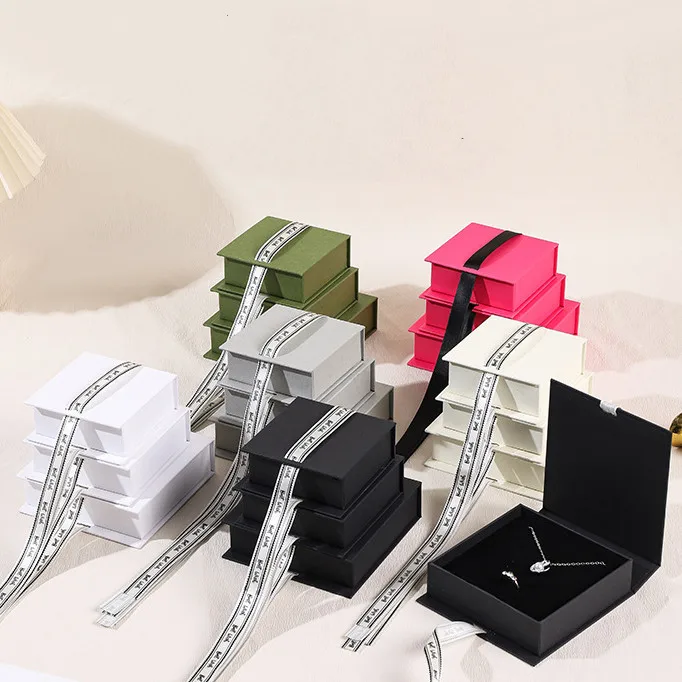
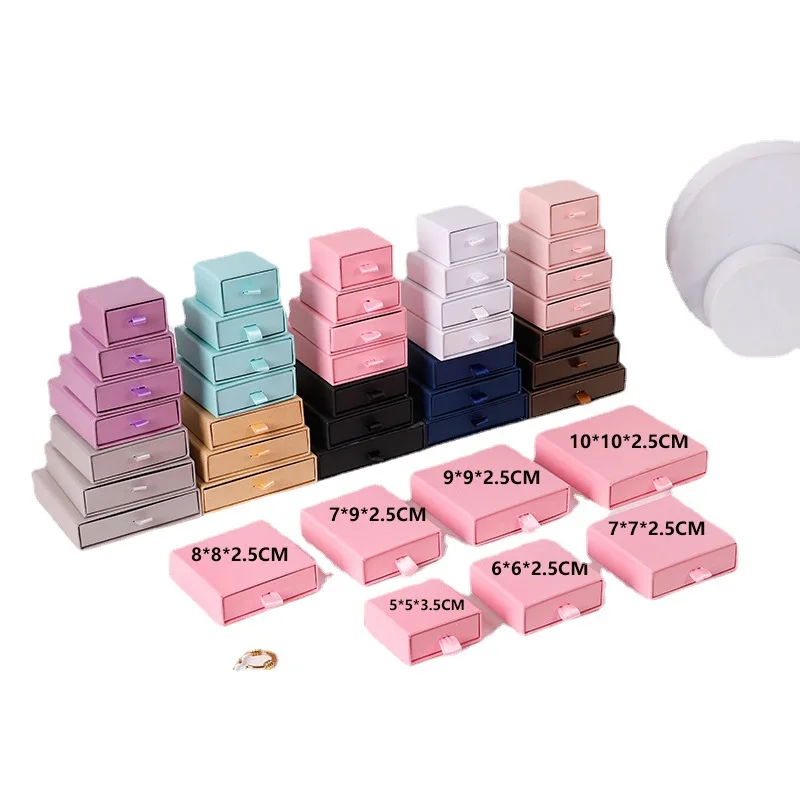
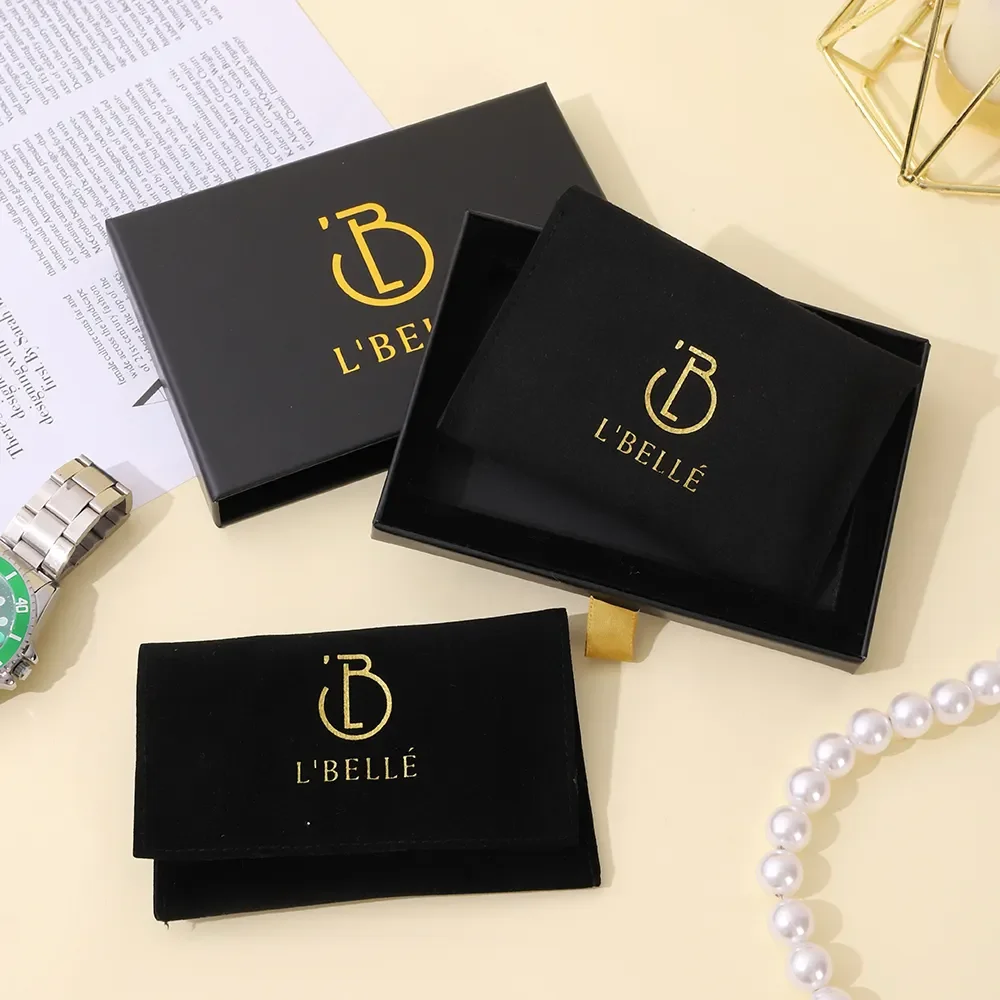
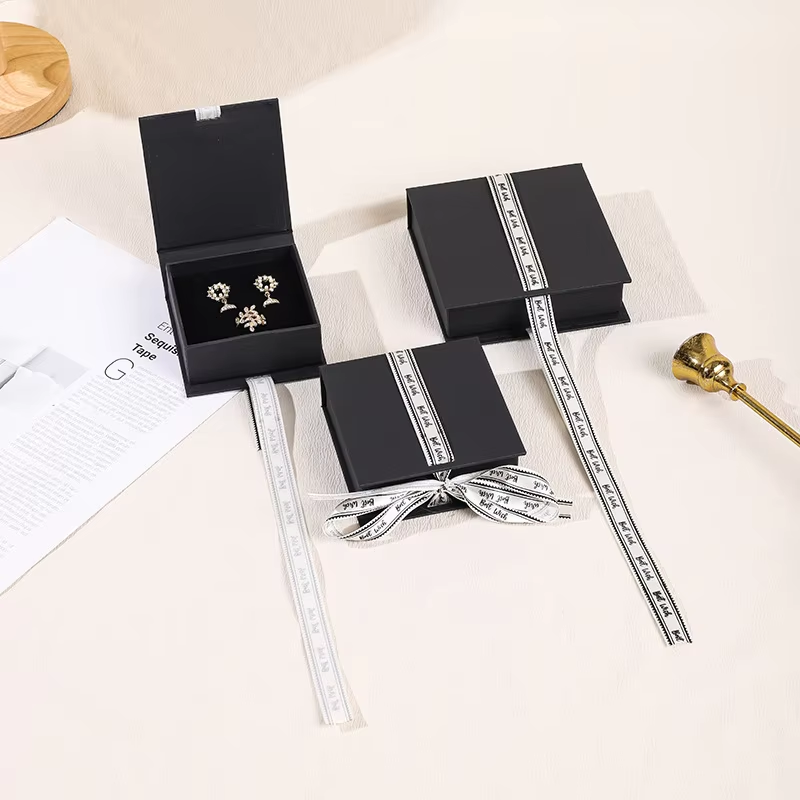
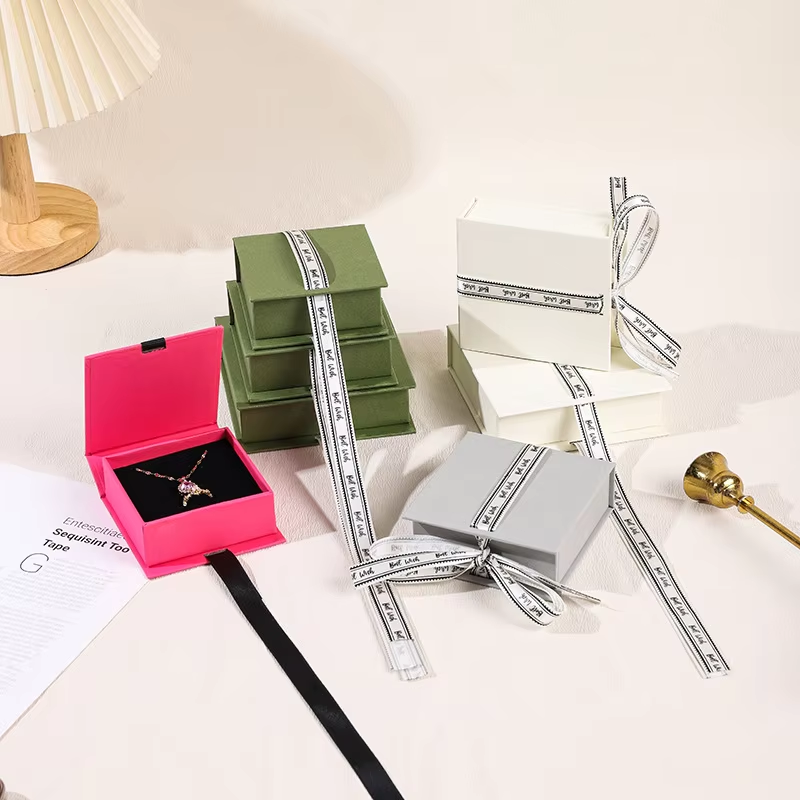
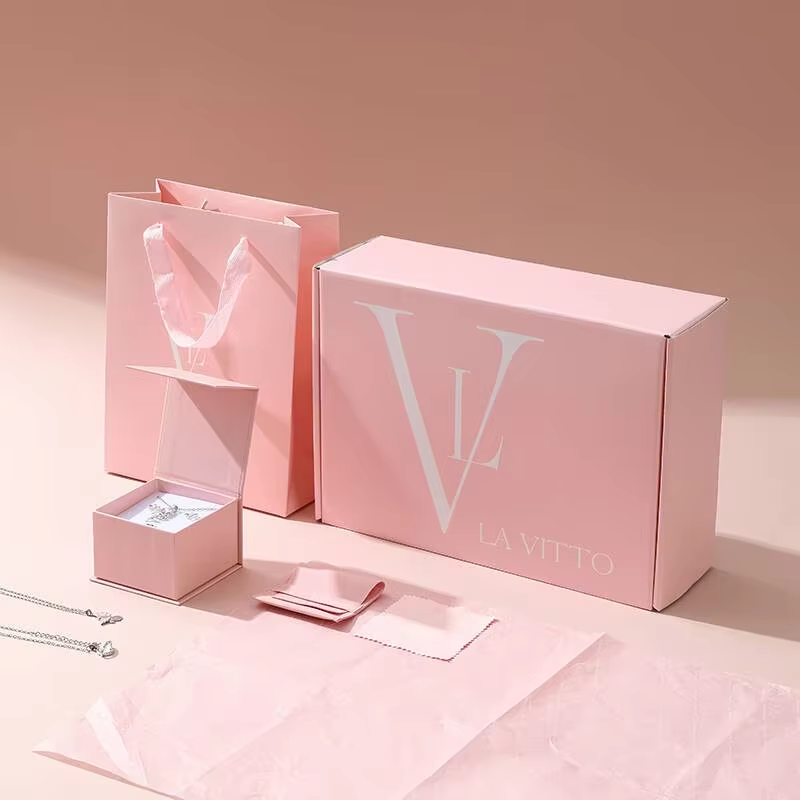
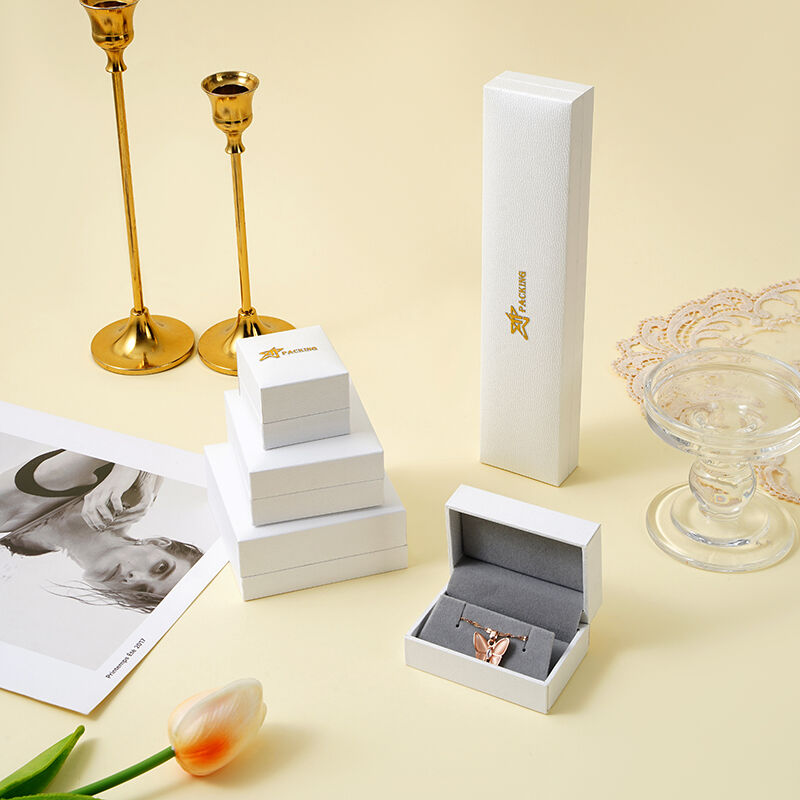
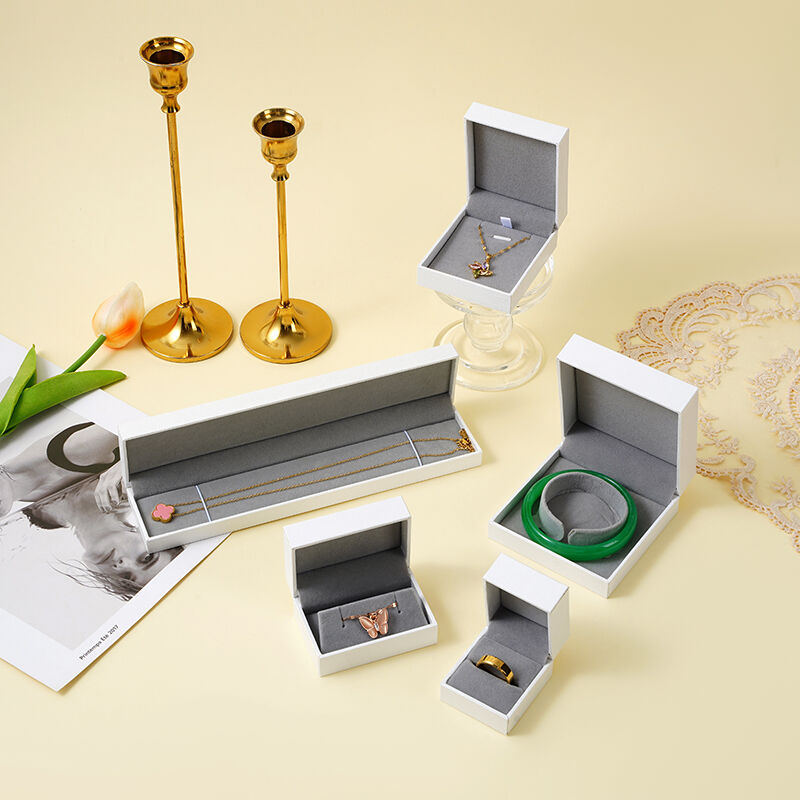
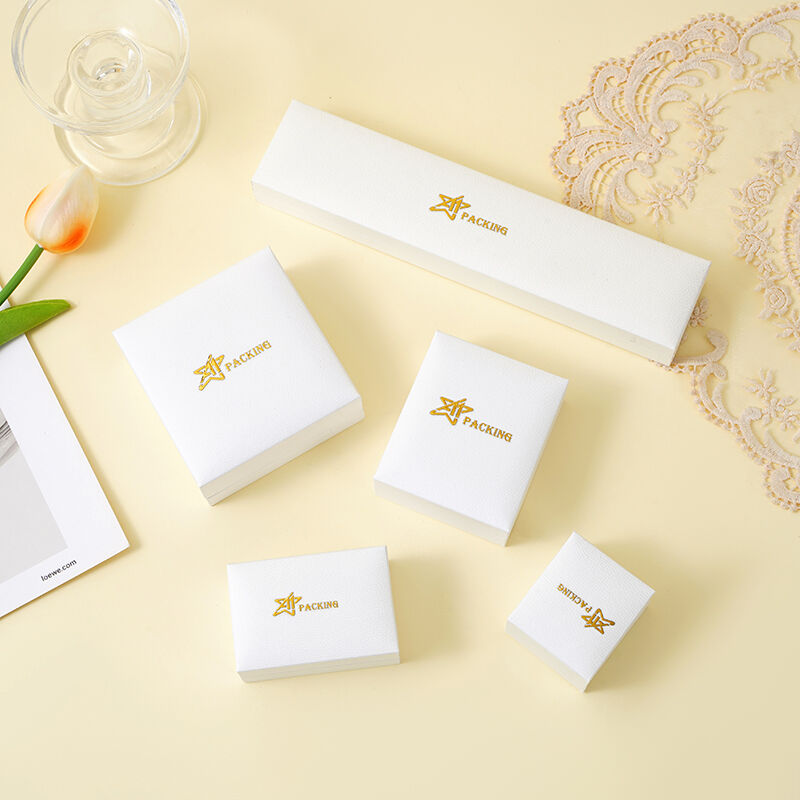
Fine jewelry packaging serves as a powerful brand ambassador that communicates identity, values, and market positioning through carefully orchestrated design elements that create lasting impressions on customers. Customization opportunities transform standard containers into distinctive brand statements that differentiate your business in crowded luxury markets where visual identity drives purchase decisions and customer loyalty. Color psychology plays a foundational role, with palette selections that evoke specific emotional responses aligned with brand personality. Deep jewel tones like sapphire blue, emerald green, or ruby red convey richness and tradition, appealing to customers seeking classic luxury experiences. Soft pastels create romantic, feminine associations ideal for bridal collections or delicate piece positioning. Bold contemporary colors like metallics, blacks, or stark whites communicate modern sophistication that attracts design-conscious buyers. Consistent color application across packaging lines builds recognition that helps customers instantly identify your products in retail environments or recognize deliveries before opening packages. Logo integration extends beyond simple printing to include embossing, foil stamping, debossing, and laser etching techniques that add dimensional interest and tactile qualities. These elevated application methods transform logos into touchable design elements that communicate attention to detail and quality investment. Strategic placement decisions affect visibility and aesthetic balance, with options ranging from prominent lid centering to subtle interior positioning that reveals itself during opening sequences, creating discovery moments that enhance unboxing experiences. Material selection communicates brand values through texture, weight, and environmental implications. Leather coverings suggest established luxury and durability, appealing to traditional sensibilities and high-end market segments. Sustainable materials like recycled papers, organic fabrics, or biodegradable composites demonstrate environmental responsibility that resonates with conscious consumers, potentially expanding market reach to demographics prioritizing sustainability. Exotic textures like linen, silk, or specialty papers add unique tactile dimensions that create memorable sensory experiences distinguishing your packaging from competitors using standard finishes. Typography choices influence readability and style perceptions, with serif fonts conveying traditional elegance while sans-serif options project contemporary minimalism. Custom lettering or calligraphic elements add artisanal qualities that suggest handcrafted care and exclusive attention. Finishing details including ribbon selections, closure hardware, and interior printing extend customization throughout every visible surface, creating cohesive design narratives that reinforce brand stories. These elements work synergistically to build brand equity that transcends individual transactions, creating recognition value that supports premium pricing strategies and customer retention efforts. When customers display branded packaging in their homes or reuse elegant boxes for personal storage, they become voluntary brand advocates, exposing your identity to friends and family in authentic contexts that traditional advertising cannot replicate, generating organic awareness that supports business growth.

 EN
EN