Premium Cardboard Bags - Sustainable Packaging Solutions for Eco-Conscious Businesses

Get a Free Quote

Our representative will contact you soon.
Email
Name
Company Name
Message
0/1000

cardboard bags

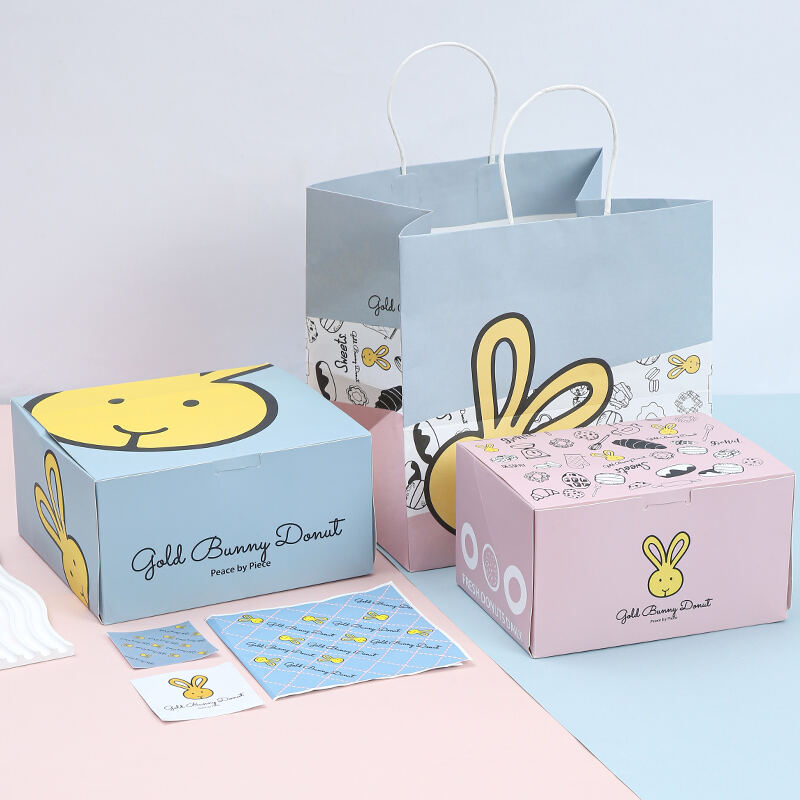
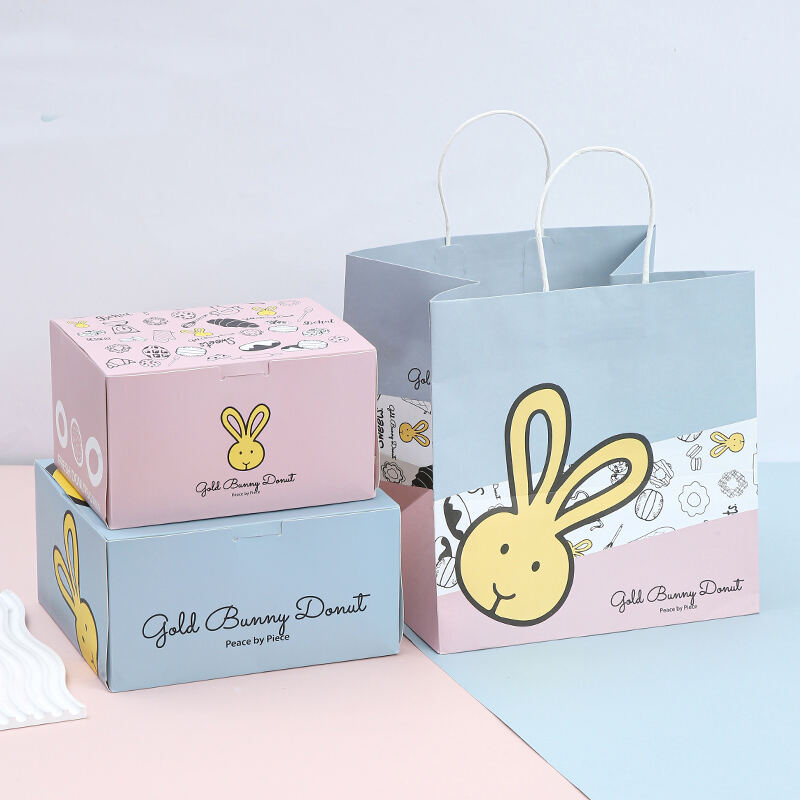
Cardboard bags represent an innovative packaging solution that combines environmental responsibility with practical functionality for modern businesses and consumers. These versatile carriers are manufactured from renewable paper-based materials, offering a sustainable alternative to traditional plastic packaging options. The primary function of cardboard bags centers on providing reliable transportation and storage for various products while maintaining structural integrity throughout handling and distribution processes. Technologically, these bags utilize advanced paper engineering techniques that create multiple layers of kraft paper bonded together through specialized adhesives or mechanical interlocking systems. The manufacturing process incorporates precise folding patterns and reinforced construction methods that enhance load-bearing capacity significantly. Modern cardboard bags feature reinforced handles, either die-cut directly from the bag material or attached separately using twisted paper rope or flat paper handles that distribute weight evenly across stress points. The bottom panel typically receives additional reinforcement through multi-ply construction or cardboard inserts that prevent sagging and breakthrough when carrying heavier items. Applications for cardboard bags span numerous industries including retail, food service, agriculture, promotional events, and e-commerce fulfillment. Retailers utilize these bags for point-of-sale packaging, creating branded shopping experiences that align with sustainability goals. Food establishments employ cardboard bags for takeaway orders, bakery products, and grocery items, benefiting from the material's breathability and grease-resistant coating options. Agricultural businesses package seeds, grains, and produce in larger cardboard bags designed for bulk storage. Event organizers and marketing teams leverage customizable surfaces for promotional campaigns, transforming each bag into a mobile advertisement. The technological features extend to various finishing options including water-based coatings, biodegradable lamination, and food-grade interior treatments that expand functionality across diverse applications. Size variations range from small gift bags to large industrial carriers, each engineered to meet specific weight requirements and usage scenarios. The adaptability of cardboard bags makes them suitable for temperature-controlled environments, though moisture exposure requires consideration in certain applications.

New Product Recommendations

Cardboard bags deliver exceptional environmental benefits that resonate with environmentally conscious consumers and businesses committed to reducing their ecological footprint. These bags decompose naturally within weeks to months when exposed to environmental elements, unlike plastic alternatives that persist for centuries in landfills and oceans. The raw materials come from renewable forest resources managed through sustainable forestry practices, ensuring continuous replenishment of supply chains without depleting natural ecosystems. Manufacturing processes for cardboard bags consume significantly less energy compared to plastic bag production, resulting in lower carbon emissions throughout the production cycle. Businesses adopting cardboard bags demonstrate corporate social responsibility, enhancing brand reputation among customers who prioritize sustainable purchasing decisions. The cost-effectiveness of cardboard bags proves advantageous for budget-conscious operations, as bulk purchasing options reduce per-unit expenses considerably. Customization capabilities allow businesses to print logos, brand messages, and decorative designs directly onto bag surfaces without expensive tooling or setup fees associated with other packaging materials. This versatility supports marketing initiatives by transforming packaging into promotional tools that increase brand visibility with every use. Cardboard bags provide excellent printability, accepting various ink types and printing techniques including flexographic, lithographic, and digital printing methods that produce vibrant, high-resolution graphics. The natural aesthetic of cardboard appeals to contemporary design sensibilities, offering an authentic, eco-friendly appearance that communicates quality and environmental stewardship. Structural strength represents another significant advantage, as properly constructed cardboard bags support substantial weight loads ranging from several pounds to over twenty pounds depending on design specifications. The material maintains rigidity better than thin plastic films, preventing awkward sagging and making bags easier to carry comfortably. Storage efficiency benefits warehouses and retail spaces because cardboard bags nest or stack compactly when empty, occupying minimal space until needed. The breathable nature of paper materials prevents moisture accumulation inside bags, reducing spoilage risks for organic products and baked goods. Safety considerations favor cardboard bags since they pose minimal suffocation hazards compared to plastic bags, making them preferable for households with children. Disposal convenience allows customers to recycle cardboard bags through existing municipal recycling programs, simplifying waste management and supporting circular economy principles. Many cardboard bags incorporate recycled content, further reducing environmental impact and resource consumption. The versatility extends to various closure methods including fold-over tops, adhesive strips, or integrated flaps that secure contents during transport. Temperature tolerance allows cardboard bags to function effectively across typical ambient conditions without degrading or becoming brittle.

Latest News

Why is custom jewelry packaging essential for brand prestige?

02

Apr

Why is custom jewelry packaging essential for brand prestige?

In the competitive luxury market, brand prestige is built through meticulous attention to every customer touchpoint, and custom jewelry packaging serves as the first physical interaction between your brand and the customer. The unboxing experience ha...
View More
What are the top jewelry packaging trends for high-end brands?

22

Apr

What are the top jewelry packaging trends for high-end brands?

High-end jewelry brands operate in a fiercely competitive landscape where every touchpoint with the customer matters. The unboxing experience has evolved from a simple protective measure to a strategic brand differentiator that influences purchasing ...
View More
How to find a reliable bulk jewelry packaging manufacturer?

14

Apr

How to find a reliable bulk jewelry packaging manufacturer?

Finding a reliable bulk jewelry packaging manufacturer is a critical decision that can significantly impact your brand reputation, operational efficiency, and profit margins. Whether you are launching a new jewelry line or scaling an existing busines...
View More
What Makes a Jewelry Display Stand Out in Retail Environments?

27

May

What Makes a Jewelry Display Stand Out in Retail Environments?

In competitive retail environments, the success of a jewelry business depends not only on the quality of the products but also on how effectively they are presented to customers. A jewelry display serves as the silent salesperson that communicates br...
View More

Get a Free Quote

Our representative will contact you soon.
Email
Name
Company Name
Message
0/1000

cardboard bags

Superior Sustainability Profile and Environmental Responsibility

Superior Sustainability Profile and Environmental Responsibility

The environmental credentials of cardboard bags establish them as the premier choice for organizations and individuals committed to meaningful ecological stewardship and waste reduction initiatives. Unlike synthetic packaging materials derived from petroleum resources, cardboard bags originate from wood pulp harvested through responsible forestry management systems certified by internationally recognized organizations. These certification programs ensure forests maintain biodiversity, protect wildlife habitats, and regenerate continuously, creating a truly renewable resource cycle. The biodegradability of cardboard bags represents a fundamental advantage in addressing global waste accumulation challenges. When cardboard bags reach end-of-life, they decompose through natural biological processes facilitated by bacteria and fungi, breaking down into organic matter that enriches soil rather than contaminating it. This complete biodegradation typically occurs within three to six months under normal environmental conditions, dramatically contrasting with plastic materials that fragment into microplastics persisting indefinitely in ecosystems. The composting compatibility of cardboard bags extends their environmental benefits further, allowing households and commercial composting facilities to process them alongside food waste and yard trimmings. Many municipal composting programs explicitly accept cardboard packaging, simplifying waste sorting for consumers and increasing composting participation rates. The carbon sequestration aspect of paper-based products provides an often-overlooked climate benefit, as trees absorb atmospheric carbon dioxide during growth, storing carbon within wood fibers that remain locked away throughout the bag's useful life. Manufacturing energy requirements for cardboard bags prove substantially lower than those for plastic alternatives, with production processes requiring less heat and pressure to form finished products. Water usage in modern paper mills has decreased significantly through technological innovations and recycling systems that reclaim and reuse water multiple times before treatment and discharge. The recyclability of cardboard bags creates closed-loop possibilities where post-consumer bags become raw material for new paper products, reducing virgin material demand and extending resource utilization. Recycling infrastructure for paper products is well-established globally, with collection systems, processing facilities, and end markets functioning efficiently to handle large volumes. Consumers find recycling cardboard bags intuitive and convenient, simply adding them to curbside recycling bins alongside newspapers and cardboard boxes. The absence of toxic chemicals in basic cardboard bag production means recycling processes do not concentrate harmful substances, maintaining safety throughout material lifecycles.
Exceptional Customization Capabilities and Brand Enhancement

Exceptional Customization Capabilities and Brand Enhancement

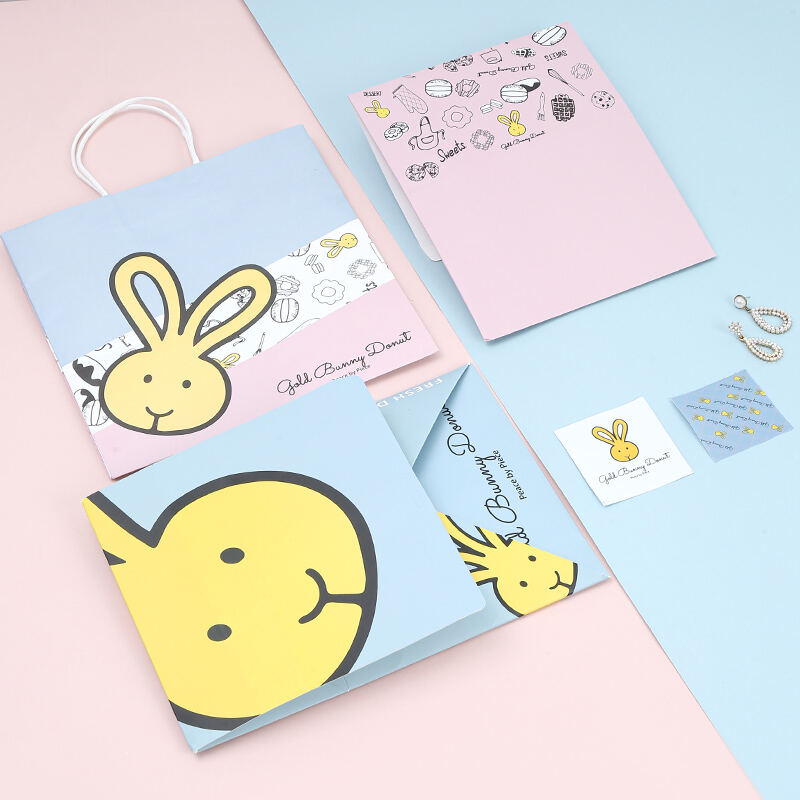
Cardboard bags offer unparalleled customization opportunities that transform functional packaging into powerful marketing assets and brand ambassadors extending far beyond point-of-purchase interactions. The natural receptiveness of paper surfaces to various printing technologies enables businesses to reproduce intricate designs, photographic images, gradient colors, and fine typography with remarkable clarity and color accuracy. Digital printing advances have revolutionized short-run customization possibilities, allowing companies to order smaller quantities with unique designs without incurring prohibitive setup costs or minimum order requirements that traditionally limited packaging personalization. This flexibility proves particularly valuable for seasonal campaigns, limited edition product releases, event-specific packaging, or market testing scenarios where commitment to large inventory quantities carries financial risk. Flexographic printing delivers cost-effective solutions for medium to large volume orders, providing consistent color reproduction and efficient production speeds that meet demanding delivery schedules. Offset lithography produces the highest quality printed results for premium applications where image fidelity and color precision communicate luxury brand positioning. The structural customization possibilities extend beyond surface graphics to include dimensional variations, handle styles, closure mechanisms, and reinforcement features tailored to specific product requirements. Businesses can specify exact height, width, and depth measurements that optimize product fit, minimize wasted space, and create satisfying unboxing experiences that enhance perceived value. Handle options range from die-cut hand holes integrated into bag structure, twisted paper cord handles providing comfortable grip and weight distribution, flat paper handles offering economical functionality, to ribbon handles adding premium tactile appeal. Window cutouts covered with biodegradable film create product visibility while maintaining protective containment, particularly effective for bakery items, confections, and artisanal goods where visual presentation drives purchasing decisions. Embossing and debossing techniques add dimensional texture to cardboard bag surfaces, creating sophisticated tactile experiences that communicate quality and attention to detail. Foil stamping applies metallic or holographic finishes to highlight logos, text elements, or decorative accents, generating premium aesthetics that differentiate products in competitive retail environments. The customization extends to interior treatments where grease-resistant coatings protect bag integrity when packaging foods containing oils or moisture, and antimicrobial treatments provide additional hygiene assurance for food service applications. Colored cardboard stocks expand design possibilities beyond natural kraft appearance, offering white, black, or custom-colored substrates that support specific brand color schemes or seasonal themes. The ability to coordinate packaging design with broader brand identity systems creates cohesive customer experiences that reinforce brand recognition and loyalty across touchpoints.
Robust Structural Engineering and Practical Performance

Robust Structural Engineering and Practical Performance

The structural engineering incorporated into modern cardboard bags reflects sophisticated understanding of material science, load distribution principles, and real-world usage demands that ensure reliable performance across diverse applications and handling conditions. Multi-ply construction techniques layer multiple sheets of kraft paper with grain directions strategically aligned to maximize tensile strength in critical stress areas, particularly along side gussets and bottom panels where weight concentration occurs. The basis weight specification of paper stock used in cardboard bag manufacturing directly correlates with load-bearing capacity, with heavier basis weights providing greater strength for applications requiring transport of substantial product quantities. Gusseted side panels expand to accommodate varying product volumes while maintaining vertical structure that prevents bags from collapsing inward during filling or transport. The geometric configuration of bottom panels utilizes folding patterns that distribute weight across reinforced seams, preventing point-load failures that would compromise containment integrity. Advanced adhesive formulations bond paper layers and seam areas with strength exceeding the tear resistance of the paper itself, ensuring structural failure occurs through material limits rather than adhesive breakdown. Manufacturing quality control processes monitor critical dimensions, adhesive application consistency, and handle attachment strength through systematic testing protocols that verify production batches meet specified performance standards. The material thickness and density of cardboard bags provide inherent rigidity that maintains bag shape even when partially filled, facilitating easier packing, transport, and display compared to flexible film bags that require external support. This structural stability proves particularly valuable in retail environments where bags must stand upright on shelves or countertops, presenting professional appearance and easy customer access. Temperature stability allows cardboard bags to maintain structural properties across typical environmental conditions encountered in retail, storage, and transportation scenarios, though extreme heat or humidity may require specialized coatings or material treatments. The tear resistance of quality cardboard bags prevents catastrophic failure from minor damage, with small tears typically propagating slowly enough to allow controlled handling rather than immediate content loss. Puncture resistance protects against penetration from products with pointed edges or corners, though extremely sharp objects may require additional interior protection. The ergonomic considerations in handle design and placement reduce hand fatigue during carrying, with handle attachment points positioned to balance load distribution and minimize stress concentration. Load testing protocols subject cardboard bags to forces exceeding typical use cases, verifying safety margins that account for handling variations and unexpected stress events. The functional lifespan of cardboard bags extends through multiple uses when bags remain clean and dry, providing reuse opportunities that further enhance environmental and economic value for cost-conscious consumers.

Get a Free Quote

Our representative will contact you soon.
Email
Name
Company Name
Message
0/1000