
 EN



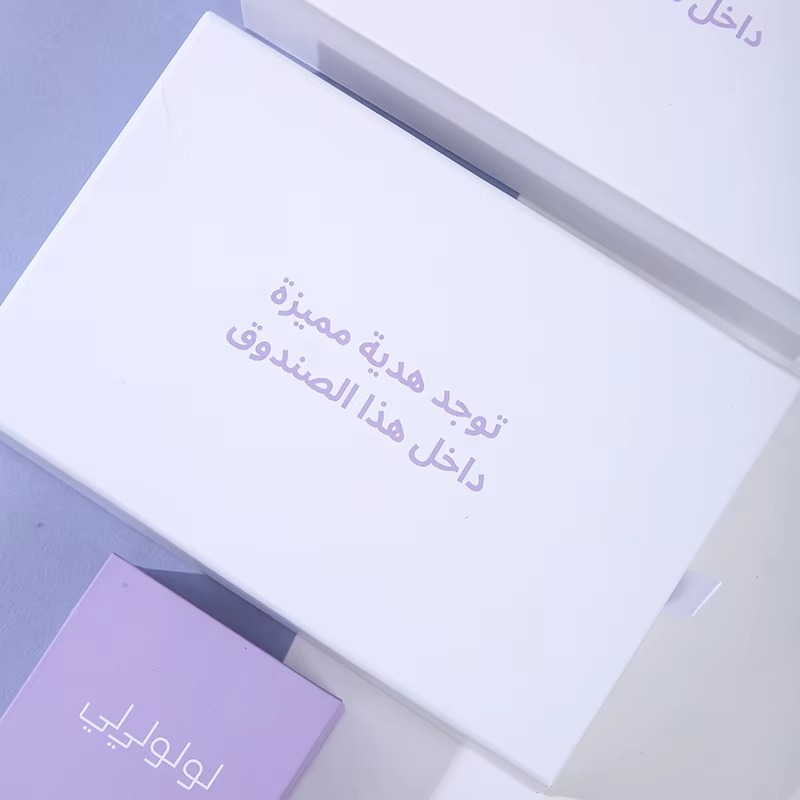
Choosing eco friendly jewelry packaging is not simply a question of replacing one material with another. For jewelry brands and B2B buyers, sustainable packaging needs to balance material sourcing, durability, product protection, appearance, certification, and purchasing cost. A recycled board that does not provide enough structural strength may create product damage, while an attractive package with unclear material documentation can make sustainability claims difficult to support.
The more useful approach is to evaluate the entire packaging system. What is the box made from? How much material does it use? Which components come into direct contact with the jewelry? Can the chosen materials support the required printing and finishing? Does the supplier have relevant certification or compliance documentation? These questions create a stronger basis for selecting sustainable jewelry packaging than a simple “recycled or not recycled” comparison.
Start With the Material Structure
A jewelry packaging box is normally made from several components rather than one material. The outer board, wrapping paper, insert, adhesive, closure, and decorative finishing can all influence the final packaging profile.
Recycled Paperboard and Rigid Board
Recycled paperboard can be used in a range of jewelry packaging formats, especially where buyers need a lightweight structure. Recycled rigid board can provide a stronger foundation for premium boxes that require more structural stability.
The appropriate choice depends on the product and packaging format. A small ring box may have very different material requirements from a larger necklace presentation box. Buyers should therefore compare board grade, thickness, rigidity, surface performance, and intended use before deciding which recycled material is suitable.
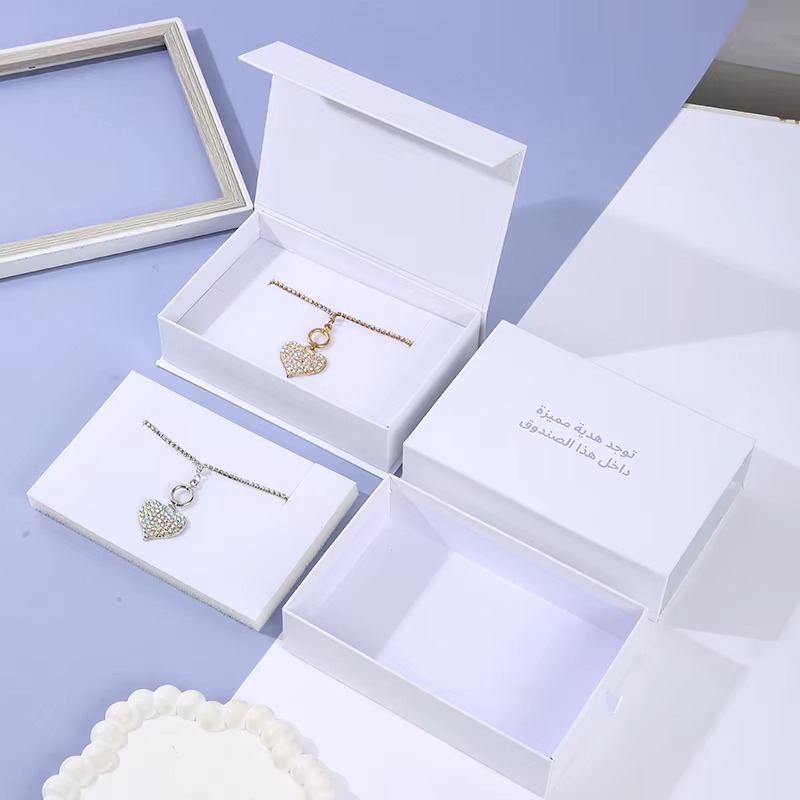
Right-Sizing the Packaging
Material efficiency is not only about choosing recycled content. Box dimensions also matter. An oversized jewelry packaging box uses more material and occupies more space during storage and transportation, while an undersized box can compromise product protection.
Right-sizing creates an opportunity to improve material efficiency and logistics at the same time. The goal is to provide enough room for the insert and jewelry without creating unnecessary empty space. This is especially relevant for buyers placing larger orders, where small dimensional differences can be repeated across the entire shipment.
Understanding FSC Jewelry Packaging
Certification can give buyers more clarity when evaluating responsibly sourced paper-based materials. FSC jewelry packaging can be relevant for businesses that need documented sourcing information for their packaging materials.
What Buyers Should Check in FSC Documentation
The presence of an FSC-related claim should not be treated as a substitute for documentation. Buyers should ask what material is covered, what certification applies, and whether the documentation supports the intended claim.
This information is particularly useful when sustainability is part of the brand's customer communication. Instead of relying on broad wording such as “green” or “eco-friendly,” brands can build their packaging specifications around identifiable material and certification requirements.
Integrating Certification Into the Packaging Specification
Certification should be considered during sourcing rather than after the box has already been designed. The selected board or paper needs to be compatible with the desired box structure, printing, finishing, and overall appearance.
A well-defined specification can state the required material, certification, thickness, color, surface finish, insert, and production requirements together. This reduces ambiguity and helps the buyer evaluate different suppliers on the same basis.
Eco Friendly Packaging and Product Protection
Sustainability should never be separated from the fundamental purpose of jewelry packaging: protecting the product. If a box cannot maintain structural integrity during transportation, the resulting damage can create additional waste and replacement costs.
Balancing Lightweight Design With Durability
Reducing material does not mean removing structural support indiscriminately. The box needs enough rigidity to maintain its shape, protect the jewelry, and withstand expected handling.
Buyers should review the product weight, transport environment, insert structure, and box dimensions together. A cost-effective sustainable solution reduces unnecessary material while retaining the structural performance required for the product.
Choosing the Right Insert Material
The insert deserves separate attention because it is often the component that directly supports the jewelry. Paper-based inserts can provide structured support for some products, while velvet, microfiber, foam, or other materials may be more suitable for different applications.
The appropriate insert depends on the jewelry. Rings, necklaces, earrings, and bracelets do not have identical internal requirements. Buyers should therefore assess the insert together with the outer box instead of making a sustainability decision based only on the board.
Material Combinations and End-of-Life Considerations
Sustainable jewelry packaging can become complicated when multiple materials are permanently bonded together. Buyers should consider whether each component is necessary and whether the complete structure remains practical.
Reducing Unnecessary Components
One straightforward approach is to review every layer of the packaging. Does the additional sleeve provide a branding function? Does the decorative insert serve a protective purpose? Is a particular surface coating required for performance?
Removing components that do not contribute meaningful value can simplify the packaging system. It can also reduce material use, assembly steps, storage volume, and purchasing complexity. Sustainability can therefore work alongside efficiency rather than being treated as a separate design objective.
Balancing Materials and Premium Presentation
Eco friendly jewelry packaging does not need to look plain. Recycled rigid board can be paired with quality wrapping paper, carefully selected colors, refined printing, and controlled finishing to create a premium appearance.
The important point is to avoid using sustainability as an excuse for poor presentation. The packaging still needs to represent the brand. Material selection and visual design should be developed together so that the final box communicates both product value and the brand's sustainability priorities.
Certifications Beyond Paper Sourcing
Paper sourcing is only one part of a broader compliance discussion. Buyers may also encounter documentation such as RoHS-related compliance when reviewing packaging components or supplier capabilities.
Why Buyers Should Ask for Documentation
Compliance claims should be tied to actual materials and relevant documentation. Buyers should understand what component or material the document covers rather than treating a certification logo as a blanket statement about the entire jewelry packaging box.
This is especially useful for brands selling into markets where purchasing teams need clear records. A supplier that can explain its materials and supporting documentation makes it easier for the buyer to prepare accurate product information and internal sourcing records.
Building a Traceable Packaging Specification
A traceable specification can include the board type, recycled content where applicable, certification requirements, insert material, surface treatment, adhesives, and other key components.
This does not make the packaging unnecessarily complicated. It creates a clearer purchasing document that can be used for sampling, quality inspection, repeat orders, and sustainability communication. For B2B buyers, that clarity can be more valuable than a vague environmental claim.
Designing Sustainable Jewelry Packaging for Different Brand Positions
A sustainable packaging specification should still reflect the brand's market position. A premium jewelry label may require rigid construction and sophisticated finishing, while a high-volume retailer may prioritize material efficiency and logistics.
Premium Sustainable Jewelry Packaging
Premium brands can combine responsible paper-based materials with rigid structures, refined surface treatments, and carefully designed inserts. The objective is to preserve the tactile and visual qualities expected from premium jewelry packaging while making material choices more considered.
A restrained design can be particularly effective. Quality paper texture, precise construction, and selective branding can create a polished presentation without adding excessive decorative components.
High-Volume and Wholesale Applications
Wholesale buyers need to consider unit cost, MOQ, storage, shipping volume, and repeatability alongside sustainability. A packaging solution that performs well for a limited collection may not be suitable for a high-volume program if the material or structure creates unnecessary logistics costs.
Standardized structures and right-sized dimensions can help improve efficiency. When the same basic packaging system can support several products with different inserts, buyers can reduce development complexity while maintaining a consistent brand identity.
Supplier Selection for Sustainable Jewelry Packaging
A supplier's ability to provide material information, sampling, customization, and consistent production is important when sustainability forms part of the purchasing requirement.
Sampling and Material Verification
Physical samples allow buyers to review the actual board, paper, insert, printing, surface texture, and structural strength. This is particularly useful for recycled materials because appearance and tactile characteristics can vary by specification.
The sample should be evaluated with the real jewelry and packaging process in mind. Buyers can check whether the material maintains sufficient rigidity, whether the insert supports the product, and whether the finished appearance matches the brand requirements.
Repeat Production and Documentation
Sustainable packaging becomes more practical when the same specification can be reproduced consistently. Buyers should therefore keep the approved material and certification requirements as part of the production record.
This also helps when the brand reorders packaging several months later. Consistent documentation makes it easier to verify that the new batch follows the original material direction and supports the same sustainability communication.
FAQ
What materials are suitable for eco friendly jewelry packaging?
Recycled paperboard, recycled rigid board, and responsibly sourced paper can all be considered depending on the structure and product requirements. The material should be evaluated together with durability, insert design, and intended use.
What is FSC jewelry packaging?
FSC jewelry packaging generally refers to paper-based packaging materials sourced within the applicable FSC certification framework. Buyers should verify the relevant certification and documentation for the material being purchased.
Can eco friendly jewelry packaging still have a premium appearance?
Yes. Recycled rigid board, quality papers, refined printing, textured surfaces, and selective finishing can create premium presentation while supporting a more responsible material strategy.
What should buyers verify before ordering sustainable jewelry packaging?
Review material composition, applicable certification or compliance documentation, board strength, dimensions, insert materials, printing and finishing, MOQ, production consistency, and shipping requirements.
For brands that need to balance recycled materials, certification requirements, premium presentation, and production efficiency, the next step is to provide the product dimensions and packaging expectations and Get a Free Quote for a tailored jewelry packaging specification.
Table of Contents
- Start With the Material Structure
- Understanding FSC Jewelry Packaging
- Eco Friendly Packaging and Product Protection
- Material Combinations and End-of-Life Considerations
- Certifications Beyond Paper Sourcing
- Designing Sustainable Jewelry Packaging for Different Brand Positions
- Supplier Selection for Sustainable Jewelry Packaging
- FAQ