
 EN



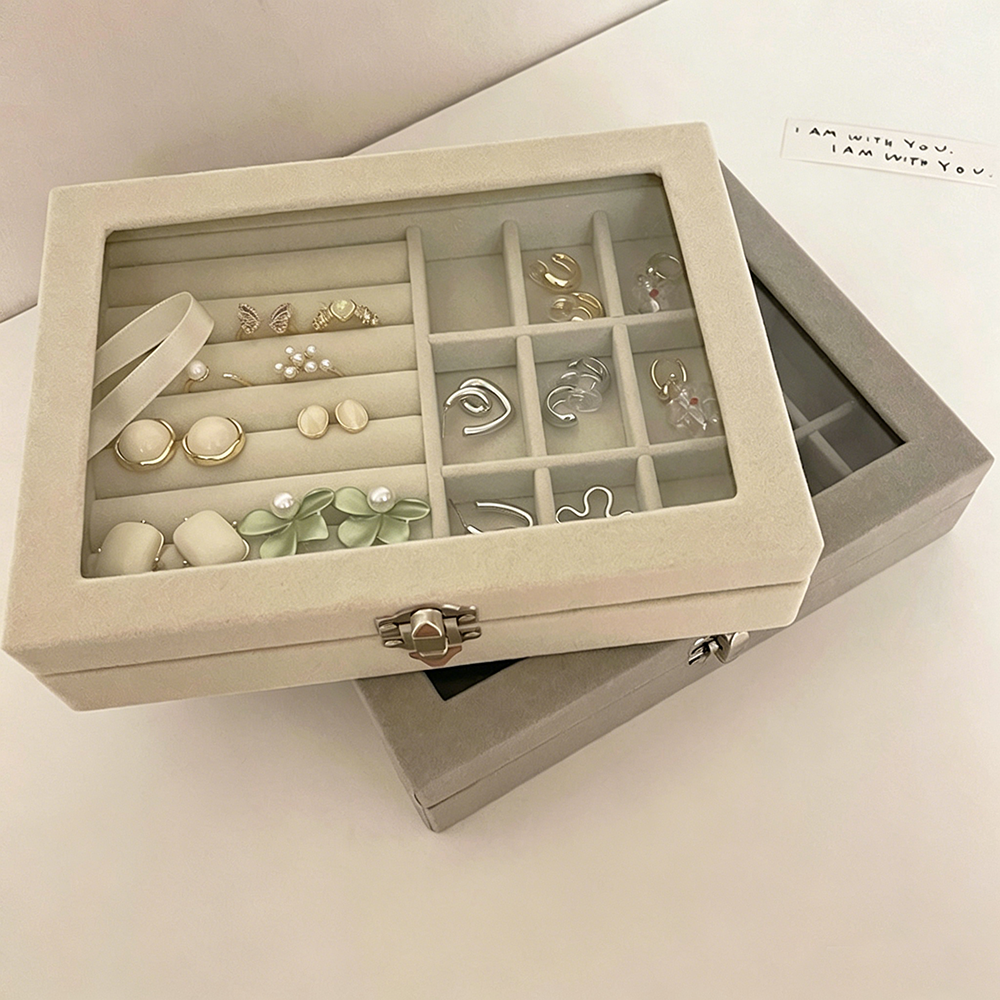
Jewelry packaging boxes need to protect delicate products while also supporting a consistent brand presentation. For wholesalers, jewelry brands, retailers, and importers, the most expensive packaging problems often begin with decisions that seem minor during the quotation stage. A few millimeters of extra space, an insert designed for the wrong jewelry format, or a closure that does not match the box structure can create quality issues across a large production run. Why do these problems happen so often? In many cases, buyers evaluate the outer appearance first and only later discover that the internal structure does not match the actual jewelry.
The selection process should therefore start with product dimensions, internal support, material, and opening structure before focusing on decorative details. When the packaging is designed around the actual product, it becomes easier to control protection, presentation, storage, and shipping costs at the same time. For buyers looking for Jewelry Packaging Boxes, Custom Jewelry Box, Premium Jewelry Box, and a practical Jewelry Box Sourcing Guide, this approach can reduce avoidable revisions and improve purchasing efficiency.
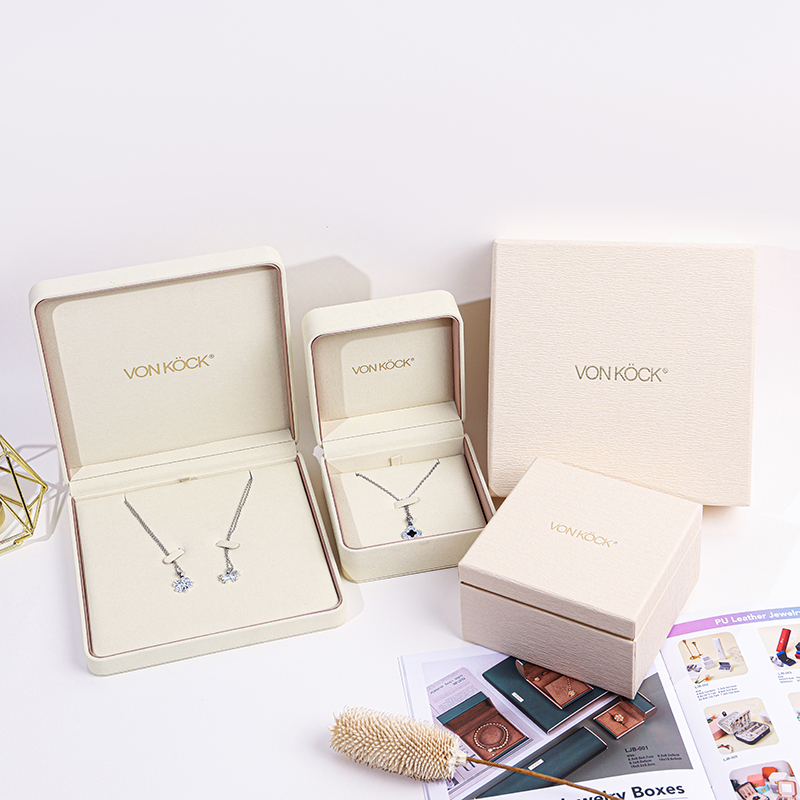
Jewelry Packaging Box Selection Starts With Product Fit
A jewelry packaging box should be developed around the actual dimensions and handling requirements of the jewelry. Rings, earrings, necklaces, and bracelets all require different types of internal support, and even products within the same category may vary enough to affect the final box dimensions. The goal is not simply to make the jewelry fit. The packaging should hold the product securely, allow convenient removal, and preserve the intended appearance when the box is opened.
Sizing Mistakes That Create Costly Packaging Problems
Selecting Jewelry Packaging Boxes Before Measuring the Product
One of the most common mistakes is choosing a jewelry packaging box from a standard size chart before confirming the finished jewelry dimensions. A ring with a large setting may need a deeper insert than a simple band, while a necklace with a longer chain may require additional internal space to prevent tangling. These differences can look insignificant during the purchasing stage, but they become important once the product is placed into the finished packaging.
Buyers should measure the length, width, height, and relevant protruding components of the actual jewelry before approving the packaging structure. It is also useful to check how the jewelry will be positioned rather than measuring the product alone. A ring may need a slot, an earring may need paired openings, and a necklace may need hooks or a supporting panel. A correctly sized jewelry packaging box should provide enough clearance for secure placement without creating unnecessary empty space.
Using Oversized or Undersized Boxes
Oversized jewelry packaging boxes can create movement inside the package and increase shipping volume. When there is excessive internal space, a necklace or bracelet may shift during transportation, while a small ring can appear visually lost inside a large cavity. More material and larger carton dimensions can also increase overall logistics costs, which becomes more noticeable when buyers are ordering bulk jewelry boxes.
Undersized boxes create a different set of risks. A product may press against the insert, become difficult to remove, or place pressure on delicate components. The practical target is a balanced fit where the jewelry remains stable without being compressed. Physical samples should be tested with the actual products before mass production because a dimensional specification that looks correct on paper does not always produce the intended result in real use.
Insert Selection Mistakes That Affect Protection
Using One Insert for Multiple Jewelry Formats
Trying to use one generic insert for every jewelry product can simplify purchasing, but it may reduce packaging performance. Ring slots, earring supports, necklace hooks, and bracelet supports are designed for different product shapes. If the insert does not correspond to the jewelry format, the packaging may still close correctly while the jewelry moves inside the box or loses its intended presentation.
A more practical approach is to standardize the outer jewelry packaging box where possible and customize the insert according to the product. This can provide better internal fit without forcing the brand to create an entirely different packaging structure for every SKU. For businesses with several collections, modular inserts can also help maintain consistent branding while giving each jewelry type suitable support.
Choosing Inserts Only for Visual Appearance
A velvet lined jewelry box can create an attractive premium presentation, but the insert should not be selected only because the material looks good in product photographs. The insert also needs to provide appropriate support, resist deformation, and allow the jewelry to be placed and removed without difficulty. The visual effect should work together with the functional requirements of the product.
Material, thickness, shape, and surface texture all influence the result. A suitable insert should keep the jewelry stable during handling while maintaining a clean appearance after repeated opening and closing. Sampling is especially important here because buyers can test the actual jewelry rather than evaluating the insert as a standalone component.
Material and Closure Decisions
Matching Material to Product Positioning
The choice between rigid board, paperboard, specialty paper, textile finishes, and other materials should reflect product value and sales channel. Premium jewelry packaging often benefits from a rigid construction because it provides a substantial feel and supports finishing options such as foil stamping, embossing, and specialty wrapping. High-volume products may benefit from a lighter structure where storage and transportation efficiency have greater importance.
A competitive packaging solution does not necessarily use the most elaborate material combination. It uses the material that supports the required presentation, durability, and budget. Buyers should evaluate the box structure, insert, surface finish, and shipping requirements together rather than selecting material based only on appearance.
Selecting the Closure Before Reviewing the Box Structure
Magnetic closure jewelry boxes can provide a controlled and premium opening experience, but the magnet needs to be integrated into the overall structure. Poor alignment can affect how the lid closes, while excessive magnetic force can make the box inconvenient to open. Drawer structures and hinged designs create different handling experiences and require their own structural considerations.
The closure should therefore be tested as part of the complete jewelry packaging box. Buyers should check alignment, opening force, durability, and presentation with the actual finished product inside. These details become especially important for premium jewelry because the opening experience is part of the customer's perception of quality.
Sampling and Production Controls
Skipping the Physical Sample
A digital rendering can communicate dimensions and graphics, but it cannot fully demonstrate how a jewelry packaging box behaves during actual use. A physical sample allows buyers to place the jewelry inside, check insert stability, test the closure, evaluate the material, and inspect logo placement. It can also reveal whether the finished proportions feel right when the box is opened.
For bulk orders, this stage is particularly important because a small design problem can be multiplied across hundreds or thousands of units. Sample approval should therefore cover both appearance and function. Once the sample is approved, the production specifications should be documented so that the finished batch can be checked against a clear reference.
Providing Incomplete Production Specifications
Custom jewelry packaging usually involves more than external dimensions. Buyers may need to specify the board, paper, insert, closure, logo application, finishing, internal structure, and packing method. Missing one of these details can lead to revisions or inconsistent production results.
A detailed specification sheet makes communication more efficient and provides a useful reference for repeat orders. This is especially valuable when the same jewelry packaging box will be produced in different sizes or reordered for future collections. Clear specifications help the supplier maintain consistency and help the buyer control the final result.
FAQ
What is the most common sizing mistake for jewelry packaging boxes?
The most common problem is selecting the external box size without checking how the actual jewelry fits into the insert. Internal dimensions, jewelry shape, clearance, and product removal should all be reviewed together.
How should a jewelry packaging box insert be selected?
The insert should match the jewelry category and physical shape. Rings, earrings, necklaces, and bracelets often require different support structures to maintain both protection and presentation.
Are magnetic closure jewelry boxes suitable for premium collections?
They can be a suitable option when the magnet, lid structure, and internal fit are properly designed. The overall premium effect also depends on the materials, insert, and finishing.
Should buyers test samples before ordering bulk jewelry boxes?
Yes. A physical sample can confirm the jewelry fit, insert performance, material quality, closure operation, and final branding before the full order enters production.
For brands ready to move from packaging selection to production, Get a Free Quote with your jewelry dimensions, preferred structure, and customization requirements.