
 EN
EN



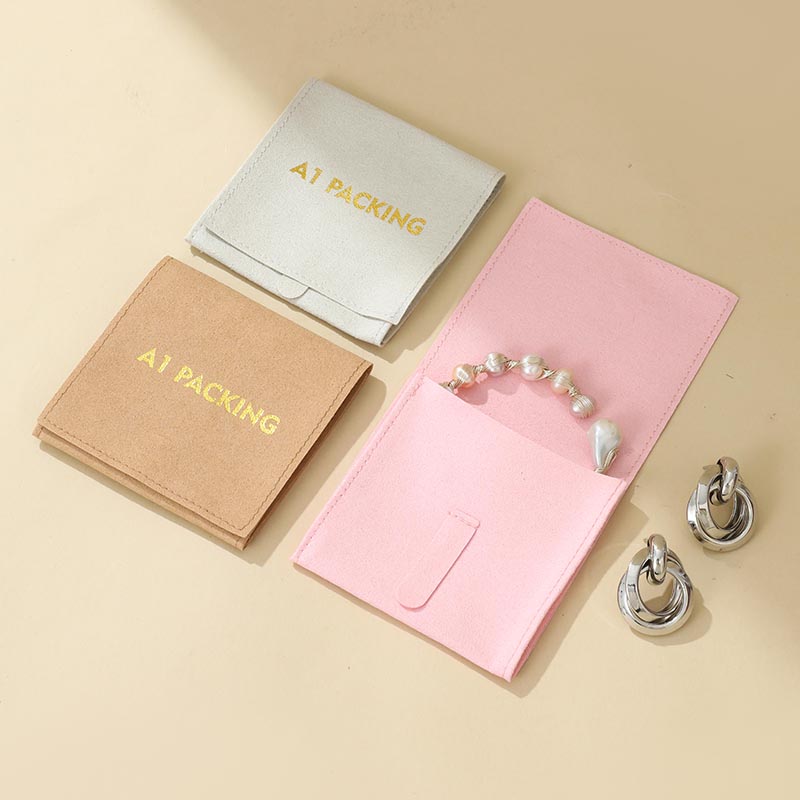
Choosing the right ring box is one of the most consequential decisions a jeweler makes before placing a wholesale order. The packaging surrounding a ring is not merely a container — it is the first physical impression a customer receives, the silent communicator of brand quality, and a key driver of repeat purchases and gifting decisions. Whether you are curating an engagement collection or expanding a fashion jewelry line, the style of ring box you select will directly shape how your product is perceived at the point of unboxing.
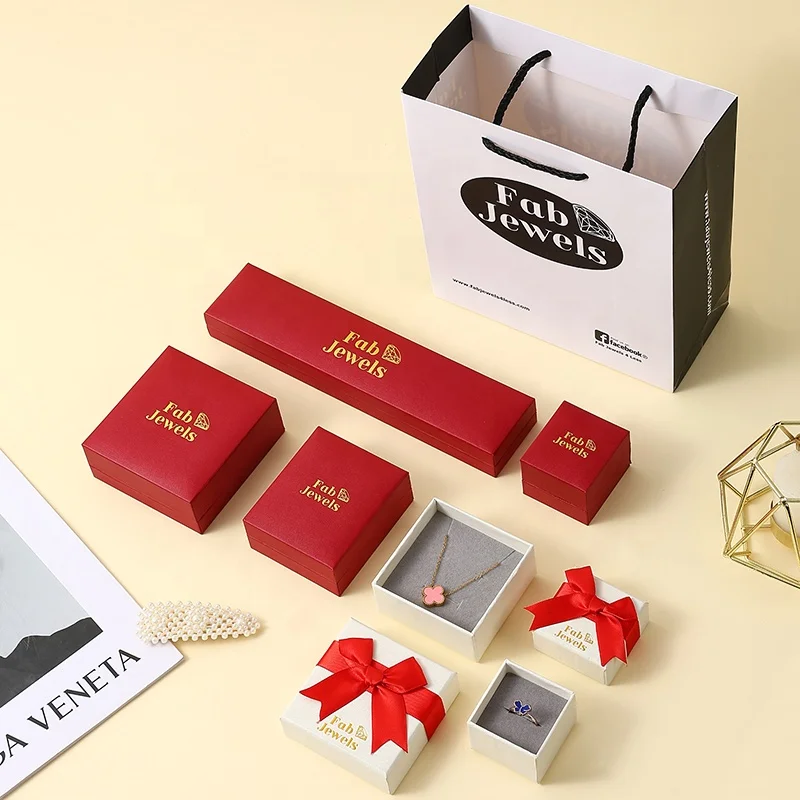
Before committing to a wholesale quantity, jewelers need a thorough understanding of the different ring box formats available on the market today, what each style communicates, and which formats suit specific selling contexts. This guide breaks down the core styles, their structural and aesthetic characteristics, the materials involved, and the practical considerations that should inform your purchasing decision at scale.
Why Ring Box Style Matters in Wholesale Jewelry Packaging
The Role of Packaging in the Customer Experience
When a customer receives a ring, the box is part of the product experience. A thoughtfully chosen ring box elevates perceived value, signals craftsmanship, and reinforces brand identity. Conversely, a mismatched or low-quality box can undermine even the finest ring design. In wholesale purchasing, where you may be committing to hundreds or thousands of units, selecting a box style that aligns with your brand positioning is essential to maintaining consistency across your entire product range.
Retail jewelers and online sellers alike report that packaging plays a significant role in customer satisfaction scores and social sharing behavior. Unboxing moments — especially for engagement rings and special occasion pieces — are frequently documented and shared on social platforms. A ring box that photographs well and opens with a satisfying experience contributes directly to organic brand exposure. This means the style selection carries marketing implications far beyond the store shelf.
Understanding how different ring box styles perform in real customer scenarios helps jewelers make smarter wholesale decisions. It reduces the risk of ordering large volumes of packaging that do not resonate with your target buyer, a costly mistake that affects both margin and brand perception.
How Wholesale Volume Amplifies Packaging Decisions
At wholesale quantities, the cost per unit for a ring box decreases substantially, but so does the flexibility to pivot quickly if the style does not perform as expected. This is why pre-order evaluation of ring box styles is not optional — it is a critical step in inventory and brand strategy. Jewelers who understand the range of available styles before placing a bulk order are far better positioned to negotiate with suppliers, request samples strategically, and align packaging choices with seasonal or event-driven sales cycles.
Wholesale orders also require alignment between ring box style and logistics. Some styles are stackable for efficient storage, while others have unique shapes that increase shipping costs. Being informed about style-specific structural characteristics helps you anticipate logistical implications and calculate true landed cost accurately.
Classic Hinged Ring Box Styles
The Traditional Clamshell Ring Box
The clamshell ring box is perhaps the most recognized format in the jewelry industry. Its hinged construction allows the lid to open fully while remaining attached to the base, creating a dramatic reveal effect that has become synonymous with ring presentations, especially for proposals and formal gifting occasions. The interior typically features a molded foam or velvet cushion that cradles the ring securely and holds it upright for display.
From a wholesale perspective, the clamshell ring box is widely available in a broad range of materials — from leatherette and velvet-wrapped exteriors to rigid paperboard and eco-friendly kraft options. The versatility of this format makes it a staple choice for jewelers who serve a diverse customer base. It works equally well in a luxury boutique setting and an e-commerce gifting context, making it a safe and strategic default for large-volume orders.
Customization options for clamshell styles are extensive. Jewelers can specify exterior color and material, interior lining fabric, logo embossing or foil stamping, and cushion shape. When ordering wholesale, these customization parameters should be confirmed in advance to ensure consistency across the full production run.
The Square and Rectangular Hinged Box
While many clamshell ring boxes are square, rectangular hinged formats offer additional interior space that can accommodate ring sets, stacking rings, or rings paired with a matching band. This style of ring box is particularly popular among bridal jewelers who frequently sell engagement and wedding ring combinations together. The slightly larger footprint does not significantly impact storage efficiency, as these boxes are generally designed to nest or stack.
Rectangular hinged boxes often feature a dual-ring cushion insert, allowing two rings to be displayed side by side within a single presentation. This is a practical consideration for jewelers who want to offer cohesive packaging for bridal sets without requiring customers to manage multiple separate boxes. When evaluating this style for wholesale, confirm that insert customization is available to match your specific ring dimensions and configurations.
Magnetic Closure and Rigid Box Styles
The Magnetic Closure Ring Box
The magnetic closure ring box has grown significantly in popularity among premium and contemporary jewelry brands. Unlike traditional hinged boxes, magnetic closure styles feature a lid that detaches completely from the base and is held in place by embedded magnets. This creates a clean, modern aesthetic with a satisfying 'snap' when closing — a tactile detail that resonates strongly with luxury consumers.
From a construction standpoint, magnetic closure ring boxes are typically built with rigid paperboard cores wrapped in specialty papers, fabrics, or leatherette. The ring box in this format offers superior structural rigidity compared to clamshell styles, which translates into better protection during shipping and a more durable long-term presentation piece that customers are likely to keep. For jewelers selling high-value rings, this durability and premium feel justifies the typically higher per-unit cost at wholesale.
Sustainability is an increasingly important factor in packaging decisions, and magnetic closure ring boxes made from recycled or FSC-certified paperboard provide an eco-conscious option without sacrificing aesthetics. Jewelers targeting environmentally aware consumers should evaluate whether the magnetic closure style they source aligns with sustainability certifications their customers may expect.
The Rigid Drawer-Style Ring Box
The drawer-style ring box, sometimes referred to as a slide-out or pull box, features an inner tray that slides out from a rigid outer sleeve. This style delivers a distinctive unboxing experience that feels deliberate and theatrical — qualities that resonate particularly well with gifting contexts and branded retail environments. The two-component structure also provides an opportunity to brand both the exterior sleeve and the inner tray independently, maximizing visual identity touchpoints.
From a wholesale standpoint, drawer-style ring boxes require slightly more precise manufacturing tolerances to ensure the inner tray slides smoothly without being too loose or too tight. When sampling this style, jewelers should test the mechanism under varying temperature and humidity conditions, as rigid paper structures can be sensitive to environmental changes. Specifying the correct tolerance range with your supplier before production begins will help prevent quality inconsistencies in large runs.
This ring box style is particularly well-suited for jewelers who want to create a memorable brand moment and are willing to invest in premium packaging as a differentiating strategy. It is less common in mass-market settings, which gives it an inherent perception of exclusivity that can strengthen brand positioning for independent jewelers and boutique retailers.
Eco-Friendly and Sustainable Ring Box Styles
Kraft Paper and Recycled Material Ring Boxes
Environmental consciousness has become a genuine purchasing driver in consumer markets, and jewelry packaging is no exception. Kraft paper ring box styles have evolved well beyond basic brown cardboard — today's eco-friendly options include structured kraft clamshells with satin-lined interiors, minimalist magnetic kraft boxes with natural fiber accents, and recycled paperboard rigid boxes with water-based ink printing. These formats allow jewelers to communicate sustainability without sacrificing the visual quality expected in premium presentations.
For wholesale buyers, sourcing eco-friendly ring box styles requires careful vetting of supplier credentials. Look for certifications such as FSC (Forest Stewardship Council) for paper materials, or confirmation that recycled content percentages are verified rather than simply claimed. A reputable supplier should be able to provide documentation supporting any sustainability claims associated with the ring box materials they offer.
Kraft and recycled ring box styles also tend to perform well in direct-to-consumer e-commerce contexts, where unboxing aesthetics and sustainability storytelling are both important. A kraft ring box that includes minimalist branding and a message about sustainable sourcing reinforces brand values at the moment of delivery — a combination that increasingly drives positive reviews and repeat business.
Biodegradable and Plant-Based Ring Box Alternatives
Beyond kraft paper, the packaging industry has developed plant-based materials such as bamboo fiber, sugarcane pulp, and seaweed-derived composites that can be formed into structured ring box designs. These materials offer genuine biodegradability at end of life, going beyond recyclability to address the issue of packaging waste more comprehensively. For jewelers whose brand identity is built around environmental responsibility, these formats represent the leading edge of sustainable packaging practice.
The practical challenge with biodegradable ring box styles is that they often involve higher minimum order quantities and longer lead times due to more specialized manufacturing processes. Jewelers considering this category should plan their wholesale purchasing cycles accordingly and confirm supplier capacity before committing to launch timelines. Prototyping and structural testing are especially important for these materials, as their performance under shipping stress conditions may differ from traditional paperboard.
Customization Considerations for Wholesale Ring Box Orders
Logo Application Techniques and Their Impact on Style
How your brand mark is applied to a ring box can dramatically affect the overall style perception of the packaging. Foil stamping — available in gold, silver, rose gold, and colored foils — adds a metallic luxury finish that is particularly effective on dark-colored or matte exterior surfaces. Embossing and debossing create tactile depth that reinforces quality perception through touch, complementing visual branding. UV spot printing offers high-definition graphic reproduction and is ideal for brands that use complex logos or detailed patterns.
When placing a wholesale ring box order with logo customization, jewelers should request physical strike-off samples of each logo application technique before final approval. Color, depth, and registration can vary between production facilities, and reviewing a physical sample rather than a digital proof eliminates the risk of receiving a full production run that does not meet brand standards. Confirm the supplier's registration accuracy tolerances, especially for embossing on structured or textured surfaces.
The choice of logo application technique should also align with the ring box style itself. For instance, foil stamping reads very differently on a kraft paper clamshell versus a rigid leatherette magnetic closure box. Understanding how each technique interacts with the chosen substrate helps jewelers make decisions that are internally consistent with their overall brand aesthetic.
Interior Lining, Insert Material, and Ring Fit Customization
The interior of a ring box is where function and aesthetics intersect most directly. The cushion insert must hold the ring securely during shipping while also displaying it attractively when the box is opened. Common interior materials include velvet, microfiber, satin, and foam wrapped in fabric. Each material has different tactile qualities, durability characteristics, and cost implications at wholesale volumes.
Velvet-lined ring boxes remain the traditional standard for fine jewelry, offering a rich texture that photographs well and feels premium in hand. Microfiber interiors are a more contemporary alternative that offers similar visual softness with greater durability and resistance to lint. Satin-lined interiors suit fashion and bridal jewelry particularly well, providing a light-reflective surface that enhances the sparkle of diamond and gemstone pieces.
For wholesale orders involving multiple ring styles, jewelers should evaluate whether a universal insert fits the full product range or whether style-specific inserts are needed. A ring box insert that fits a thin stacking ring will likely not secure a wide band adequately, and ordering a single insert type for an entire collection could result in presentation inconsistencies. Discuss insert customization options with your supplier during the specification stage to avoid costly revisions post-production.
FAQ
What is the most popular ring box style for wholesale jewelry orders?
The hinged clamshell ring box remains the most widely ordered style in wholesale jewelry packaging due to its versatility, familiarity to consumers, and availability in a wide range of materials and price points. Magnetic closure rigid boxes have been gaining market share among premium and contemporary brands that prioritize unboxing experience and structural durability.
How do I determine the right ring box size when ordering wholesale?
Start by measuring the widest point of the rings in your collection, including any stone settings that increase overall dimensions. Work with your supplier to select or customize an insert that accommodates your full ring size range without excessive movement that could cause scratching. For mixed collections, consider ordering a primary ring box size that fits the majority of your inventory and a secondary size for oversized or specialty pieces.
Can I order a ring box with both eco-friendly materials and custom branding?
Yes, many wholesale packaging suppliers offer eco-friendly ring box options with full customization capabilities including logo foil stamping, debossing, and custom interior lining. The key is to confirm that the sustainable materials chosen are compatible with the specific logo application technique you want to use, as some plant-based and recycled substrates have different surface treatments that affect how finishes adhere.
What minimum order quantities should I expect for custom ring box styles?
Minimum order quantities for custom ring box production typically range from 100 to 500 units depending on the complexity of customization, the style selected, and the supplier's production setup costs. Standard styles with simple logo additions often have lower minimums, while fully bespoke designs with custom materials and shapes may require higher commitments. Always confirm MOQ, lead times, and sample policies before finalizing your wholesale supplier selection.