
 EN
EN




Choosing the right material for a custom jewelry pouch is one of the most consequential decisions a brand makes in its packaging strategy. The material is not simply a container — it communicates quality, protects delicate pieces, and shapes the first physical impression a customer has with your product. Whether you are packaging fine necklaces, handcrafted bracelets, or luxury earrings, the fabric or substrate you choose will determine how premium your jewelry pouch feels in the hand, how well it preserves the item inside, and how clearly it carries your brand identity.
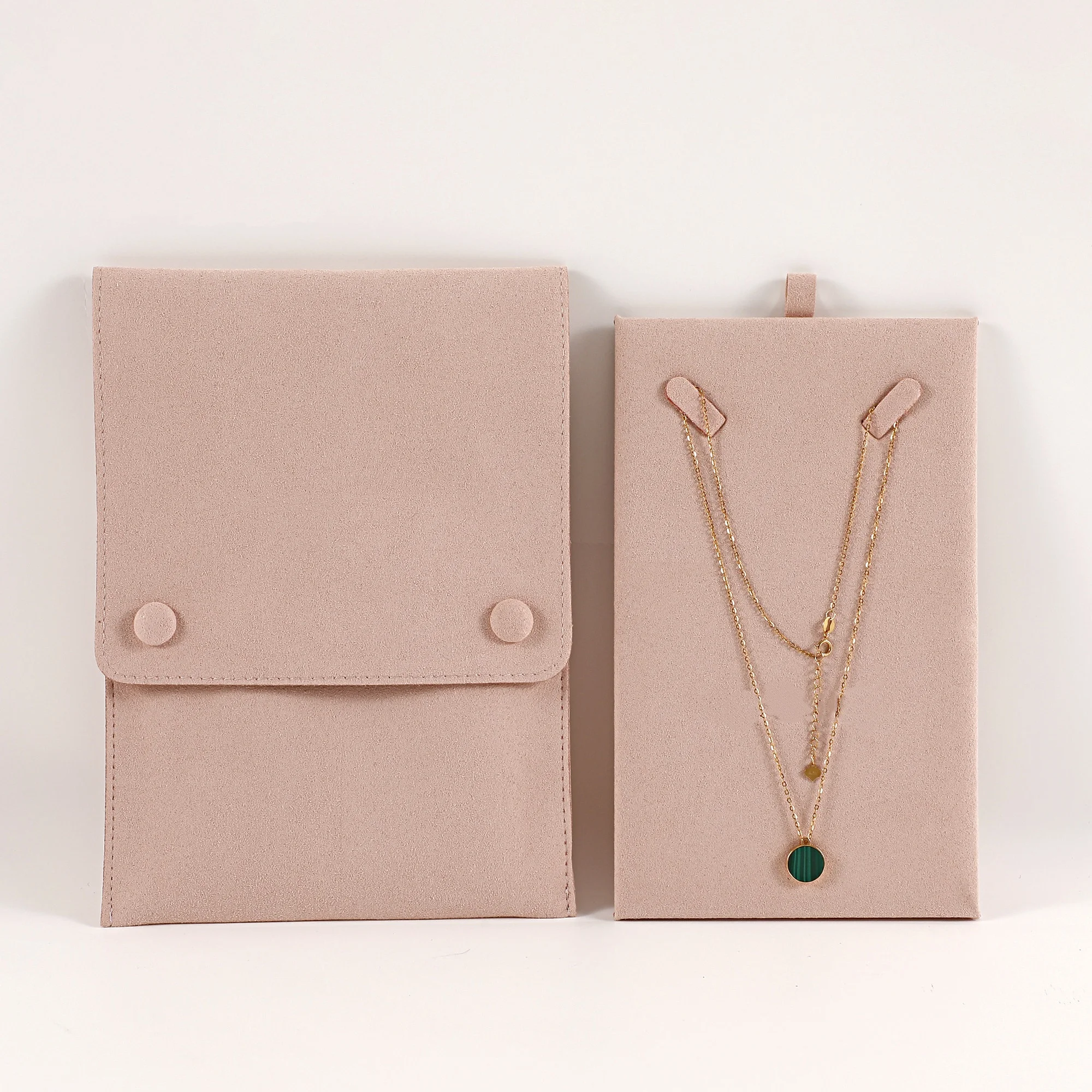
The global market for jewelry packaging has grown significantly more competitive, and customers increasingly judge a brand before they even open the box. A well-made jewelry pouch in the right material signals craftsmanship, thoughtfulness, and care. This article explores the most effective materials used in custom jewelry pouches, what each material offers in terms of protection, aesthetics, and branding potential, and which types of jewelry or brand profiles are best served by each option. Understanding these distinctions helps brands make smarter, more strategic packaging decisions.
Microfiber as a Premium Material Choice
Why Microfiber Has Become a Leading Option
Microfiber has rapidly become one of the most preferred materials for a high-quality jewelry pouch because it combines a luxurious tactile feel with strong functional properties. The ultra-fine fibers create a surface that is soft, lint-free, and gentle against metal and gemstone surfaces. This makes microfiber especially valuable for packaging necklaces and bracelets where scratching is a concern. The fabric drapes smoothly and holds its shape well, contributing to an elegant presentation that resonates with customers.
From a branding perspective, microfiber accepts custom printing, hot stamping, and embossing beautifully. A jewelry pouch made from microfiber with a foil-stamped logo creates a high-end unboxing moment that reinforces brand positioning. The surface texture also gives the pouch a matte, velvety appearance that photographs well — an increasingly important quality in an era where packaging is often shared on social media by consumers.
Microfiber is also highly durable relative to its soft appearance. It resists tearing, maintains its color integrity over time, and withstands repeated use. This means that customers often repurpose a microfiber jewelry pouch for storage, keeping the brand visible long after the initial purchase. For jewelers who want packaging that doubles as a storage solution, microfiber is an excellent investment.
Microfiber Variants and Their Applications
Not all microfiber jewelry pouches are the same. The weight, weave density, and finish of the microfiber significantly affect the final result. Heavier-weight microfiber creates a more structured jewelry pouch that stands up well on retail shelves and feels more substantial in the hand. Lighter microfiber is better suited to slim pouches designed for gifting or travel storage. Brands should evaluate the weight-to-softness ratio based on the specific jewelry type they are packaging.
Bi-color and textured microfiber options are also available, allowing for additional customization. Some manufacturers offer microfiber with a subtle suede-like texture that further enhances the premium feel. A jewelry pouch made from textured microfiber is particularly effective for mid-to-high-end jewelry brands that want to differentiate their packaging without resorting to elaborate hardware or closures. The material itself becomes the statement.
Velvet and Its Enduring Appeal
The Classic Luxury Position of Velvet
Velvet has been associated with luxury jewelry presentation for generations, and its appeal has not faded. A velvet jewelry pouch carries immediate visual and tactile associations with quality and heritage. The dense pile of velvet fabric creates a rich depth of color that makes logos and decorative elements stand out vividly. For brands operating in the fine jewelry or heirloom segment, a velvet jewelry pouch communicates tradition, value, and permanence.
The soft interior of a velvet jewelry pouch also provides excellent passive cushioning for delicate pieces. Unlike stiffer materials that might transfer pressure, velvet cradles items gently and reduces movement during transit. This makes it particularly suitable for rings, pendants with fragile settings, and earrings with thin wire components. The plush interior is a functional asset, not merely a decorative one.
From a customization standpoint, velvet is ideal for laser engraving and hot stamping. A hot-stamped logo on a deep-colored velvet jewelry pouch produces a striking visual contrast that elevates the overall packaging. Navy, burgundy, forest green, and charcoal are among the most popular velvet colors for jewelry brands seeking a sophisticated palette that complements their product aesthetics.
Limitations and Practical Considerations for Velvet
Despite its undeniable appeal, velvet comes with practical considerations that brands should evaluate. Velvet can attract dust and lint more readily than smoother fabrics, which may be a concern for retail display environments. It also tends to show creases more visibly if compressed during shipping, which requires more careful packaging when shipping in bulk. Brands using velvet for a jewelry pouch in high-volume orders should ensure proper packing to maintain presentation quality upon arrival.
Velvet is also typically heavier than alternatives like microfiber or organza, which can slightly increase shipping costs for large orders. However, for premium brands where the perceived value justifies the added weight, velvet remains a compelling and commercially effective choice. The material selection should always be weighed against the price point and brand positioning of the jewelry being packaged.
Organza and Satin for Lighter Applications
Organza as a Sheer and Elegant Option
Organza is a lightweight, semi-transparent fabric that creates a distinctly different kind of jewelry pouch experience. Its sheer quality allows a glimpse of the jewelry inside, building anticipation before the item is removed. This theatrical element makes organza pouches particularly popular for gifting applications, bridal jewelry, and promotional giveaways where the visual experience is as important as the protective function. An organza jewelry pouch communicates lightness, femininity, and delicacy.
While organza is less protective than denser fabrics, it still performs adequately for lightweight jewelry items such as chains, small pendants, and stud earrings. Its low material cost also makes it a viable option for brands that need to package large quantities of lower-priced items without sacrificing the elegance of fabric packaging. Custom ribbon ties and heat-seal closures can further enhance the presentation of an organza jewelry pouch without significantly increasing production costs.
Satin as a Mid-Range Material with High Visual Impact
Satin occupies an interesting middle ground in the jewelry pouch material spectrum. Its glossy surface creates a visually striking effect that suggests luxury at a relatively accessible price point. Satin pouches are widely used in the fashion jewelry, costume jewelry, and gifting segments where visual appeal is prioritized and a polished look is expected without the cost of velvet or high-grade microfiber.
One of the key advantages of satin as a jewelry pouch material is its ability to hold vibrant colors. Satin dyes exceptionally well, allowing brands to produce pouches in a very broad color range that matches brand identity systems or seasonal collections. Custom satin pouches can be produced with screen-printed logos, woven labels, or decorative drawstrings, giving brands multiple avenues for personalization. For fashion-forward brands that rotate collections frequently, satin offers the flexibility to refresh packaging aesthetics cost-effectively.
Satin does require attention to stitching quality, as the slippery surface can make it prone to fraying at poorly finished edges. High-quality production standards ensure that a satin jewelry pouch maintains its neat appearance over time. When properly constructed, satin pouches are both durable and visually impressive, making them a reliable choice across a wide range of jewelry categories.
Cotton and Canvas for Sustainable Branding
The Growing Demand for Eco-Friendly Jewelry Packaging
As sustainability becomes a core brand value for many jewelry companies, cotton and canvas have emerged as compelling materials for a custom jewelry pouch. Natural cotton is biodegradable, renewable, and widely perceived as an environmentally responsible choice. For brands communicating sustainability commitments to their customers, a cotton jewelry pouch is a tangible, touchable expression of those values. It signals that the brand is thinking carefully about its environmental footprint at every stage of the product experience.
Organic cotton options take this positioning further, offering customers a material that is produced without synthetic pesticides or fertilizers. Brands that have achieved sustainability certifications or are targeting eco-conscious consumer segments often find that an organic cotton jewelry pouch generates positive customer responses and reinforces brand authenticity. This is especially relevant in direct-to-consumer channels where packaging storytelling can be communicated alongside the product.
Canvas for Durability and a Crafted Aesthetic
Canvas, a heavier-weight variant of cotton, creates a jewelry pouch that feels robust and handcrafted. The textured surface of canvas is receptive to screen printing, and logos or artwork printed on canvas take on a slightly organic, artisanal quality that aligns well with independent jewelry designers and boutique brands. Canvas pouches project an aesthetic of authenticity and workmanship that resonates with customers who value handmade or small-batch products.
Canvas also offers good abrasion resistance, meaning the jewelry pouch holds up well to repeated use. Unlike delicate materials that may wear out after several openings and closings, a canvas pouch maintains its structural integrity over time. This makes it a smart choice for brands that want customers to continue using the pouch as an ongoing storage solution, keeping the brand present in the customer's daily environment long after the initial purchase moment.
Waxed canvas is an interesting variation that introduces water resistance while maintaining the natural, craft-forward aesthetic. For brands in outdoor, adventure, or lifestyle-adjacent jewelry segments, a waxed canvas jewelry pouch can add a functional dimension that complements the brand narrative. This shows how material selection can go beyond aesthetics and actually reinforce brand positioning at a product level.
Key Factors That Influence Material Selection
Matching Material to Jewelry Type and Value
The type and value of the jewelry being packaged should be the primary driver of material selection. Fine jewelry with a high retail price point demands packaging that communicates equivalent value — materials like microfiber, velvet, or high-grade satin are most appropriate here. A jewelry pouch made from premium materials signals to the customer that the item inside is worth protecting and presenting beautifully. Misaligning packaging material with jewelry value can undermine the perceived quality of even a well-crafted piece.
For fashion or costume jewelry at lower price points, the calculation shifts. A jewelry pouch in organza, lightweight cotton, or economy satin can still look elegant without adding excessive cost to the package. The goal is to ensure that the packaging feels appropriate and proportionate to the product. Overinvesting in heavy velvet for a five-dollar fashion bracelet can feel incongruous, while underinvesting in a thin organza pouch for a premium sterling silver necklace communicates the wrong message entirely.
Brand Positioning and Target Customer Expectations
Material selection is ultimately a brand communication decision. The customer who receives a jewelry pouch forms an immediate, subconscious judgment about the brand based on how the packaging feels and looks. A luxury brand that positions itself on craftsmanship and exclusivity must deliver a jewelry pouch that embodies those qualities in its material weight, finish, and detailing. Brands that fall short at the packaging level risk creating a disconnect between their marketing messaging and the actual customer experience.
Understanding your target customer's expectations is equally important. Customers in premium retail environments expect packaging that reflects the store's aesthetic. E-commerce customers, who may not encounter packaging until after purchase, often use the unboxing moment to validate or question their purchase decision. A well-chosen jewelry pouch in the right material can turn an ordinary delivery into a memorable brand moment. The material is not a passive background element — it is an active participant in the brand experience.
FAQ
What is the most durable material for a jewelry pouch?
Microfiber and canvas are generally considered the most durable materials for a jewelry pouch. Microfiber resists tearing and maintains its softness and color integrity even with frequent use, making it ideal for premium jewelry packaging. Canvas offers strong abrasion resistance and holds up well to repeated opening and closing, making it suitable for brands that want customers to repurpose the pouch for long-term storage.
Which material is best for protecting delicate jewelry items?
For delicate jewelry such as gemstone-set pieces or thin chain necklaces, microfiber and velvet are the top choices. Both materials have soft interior surfaces that cushion jewelry and reduce friction during storage or transit. A jewelry pouch in microfiber or velvet minimizes the risk of surface scratching, which is a primary concern with fine metal and gemstone jewelry. The density and softness of these fabrics provide passive protection without the need for additional padding.
Can the material of a jewelry pouch be customized with a brand logo?
Yes, most standard jewelry pouch materials — including microfiber, velvet, satin, and cotton — can be customized with brand logos using techniques such as hot stamping, screen printing, embossing, or woven labels. The choice of decoration method often depends on the material. Velvet and microfiber respond exceptionally well to hot stamping, producing sharp, high-contrast results. Satin and cotton are ideal for screen printing. Brands should work with their packaging supplier to select the decoration method that best suits their chosen material and logo design.
How does material choice affect the sustainability profile of a jewelry pouch?
Material choice has a direct impact on the environmental footprint of a jewelry pouch. Natural materials such as cotton, organic cotton, and canvas are biodegradable and align well with sustainability commitments. Microfiber, while technically a synthetic material derived from polyester, is highly durable and encourages reuse, which also has sustainability benefits. Brands seeking to minimize environmental impact should consider natural fiber options, look for suppliers who use certified or recycled materials, and communicate their packaging choices transparently to eco-conscious customers.