
 EN
EN



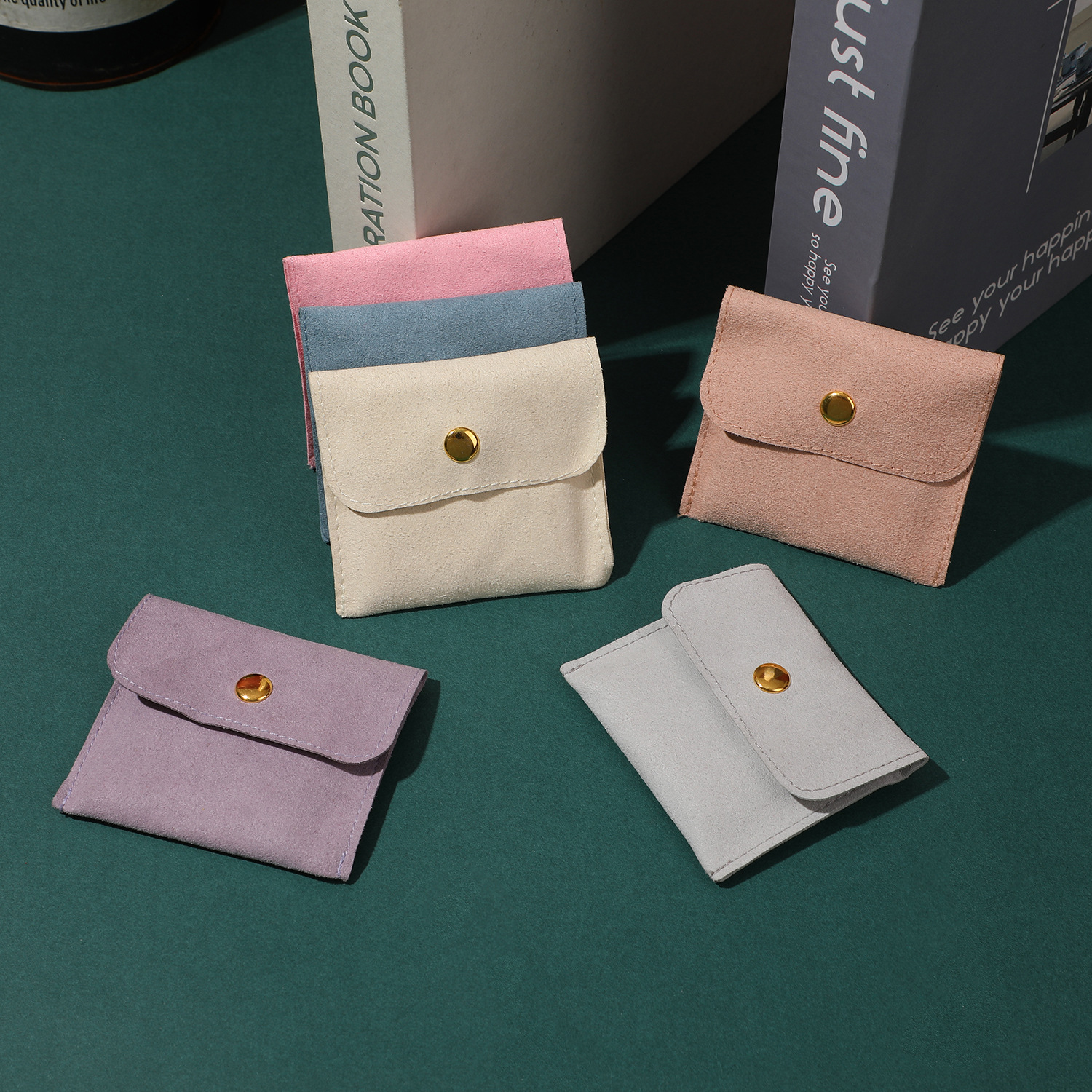
The packaging industry is undergoing a significant transformation, and nowhere is this shift more visible than in the world of luxury accessories. A jewelry pouch is no longer just a protective wrapper — it has become a brand statement, a sustainability pledge, and a tactile extension of the product it holds. As consumer awareness around environmental responsibility deepens, brands across the accessories and gifting sectors are rethinking what a jewelry pouch is made of, how it is produced, and what message it sends long after the purchase is made.
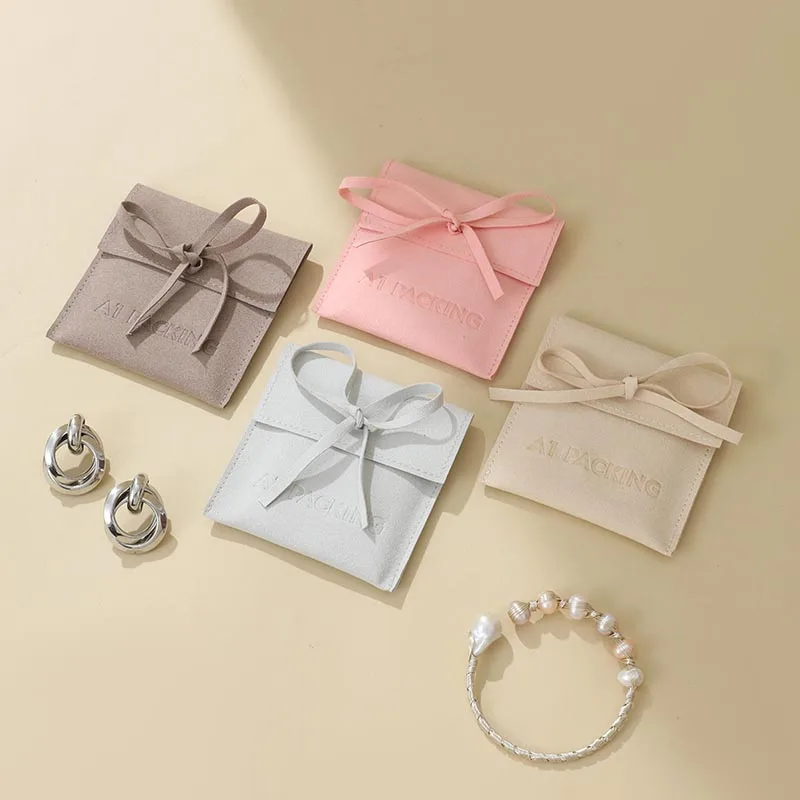
Heading into 2026, sustainability is not a trend — it is a baseline expectation. Buyers, retailers, and end consumers alike are scrutinizing every material choice, from the fiber content of a jewelry pouch to the inks used in logo printing. This article explores which sustainable materials are gaining real traction in the jewelry pouch market, why brands are investing in these alternatives, and what practical considerations come with making the switch to eco-conscious packaging solutions.
The Shift Toward Sustainable Jewelry Pouch Materials
Why Material Choices Matter More Than Ever
For decades, the jewelry pouch was evaluated almost entirely on aesthetics and protective function. Velvet, silk, and synthetic fabrics dominated the category because they looked premium and shielded delicate items from scratches and dust. Environmental considerations were largely an afterthought. That dynamic has changed fundamentally in recent years, driven by regulatory pressure, retailer sustainability mandates, and a consumer base that actively rewards eco-responsible brands.
A jewelry pouch that is made from virgin polyester or chemically intensive synthetic fabric now carries reputational risk for brands that have publicly committed to sustainability goals. Retailers in Europe and North America increasingly require suppliers to provide material declarations and sustainability certifications before listing products. This means the choice of fabric and dye for a jewelry pouch is now a business decision with commercial consequences, not just an ethical one.
The cost of ignoring sustainable material sourcing is also becoming more tangible. Brands that fail to adapt face exclusion from premium retail channels, reduced appeal among younger demographics, and growing difficulty in meeting ESG reporting requirements. For packaging suppliers and brand buyers alike, the jewelry pouch is a highly visible point of action.
The Evolution of Eco-Material Availability
One reason sustainable materials are gaining traction now more than in previous years is simple availability. The supply chain for certified organic cotton, recycled polyester fiber, and plant-derived faux suede has matured considerably. What was once expensive, difficult to source, and inconsistent in quality has become commercially viable at competitive price points. Suppliers offering an eco-friendly jewelry pouch can now do so without compromising on softness, drape, color consistency, or durability.
Manufacturing innovations have also played a major role. Waterless dyeing techniques, low-impact finishing processes, and biodegradable packaging additives have addressed many of the quality objections that previously discouraged brands from switching. Today, a sustainably produced jewelry pouch can match the tactile quality of conventional alternatives while meeting third-party environmental standards.
Key Sustainable Materials Gaining Traction in 2026
Recycled and Upcycled Fabric Options
Recycled polyester — often derived from post-consumer plastic bottles — is one of the most widely adopted sustainable materials in jewelry pouch production. It retains the softness and structure of virgin polyester while significantly reducing reliance on fossil fuel-based inputs. GRS-certified recycled polyester is increasingly available from established textile mills, giving brands a traceable, certification-backed option for their jewelry pouch sourcing.
Upcycled fabric scraps and off-cuts from garment manufacturing are also entering the jewelry pouch supply chain. These materials would otherwise end up as industrial waste, but when processed into pouch fabric, they reduce overall production waste and offer a compelling sustainability narrative. Brands using upcycled materials in their jewelry pouch designs can communicate a circular economy message that resonates strongly with eco-aware buyers.
Faux suede made from recycled or bio-based sources deserves particular attention. Traditional faux suede is often petroleum-based, but newer formulations using recycled fibers or even plant-based polyols are entering commercial production. A faux suede jewelry pouch that carries a recycled or bio-content claim offers the premium hand-feel of conventional suede without the environmental footprint.
Organic and Natural Fiber Alternatives
Organic cotton is among the most established sustainable options for a jewelry pouch. Grown without synthetic pesticides or fertilizers, certified organic cotton reduces agricultural chemical runoff and soil degradation. Cotton-based jewelry pouch designs offer excellent printability for custom logos and come in a range of weave densities, from lightweight muslin to heavier canvas, depending on the application.
Linen and hemp are also emerging as credible jewelry pouch materials, particularly for brands targeting artisan, natural, or wellness aesthetics. Both fibers require less water and fewer chemical inputs than conventional cotton, and they biodegrade naturally at end of life. Hemp in particular is seeing renewed commercial interest as regulatory restrictions ease globally, making it a realistic fiber option for eco-conscious packaging producers.
Bamboo-derived fabric — often processed into a viscose or lyocell form — offers another natural alternative for a jewelry pouch. Bamboo grows rapidly without irrigation or pesticide use, and bamboo-based textiles have a distinctive soft, silky quality that makes them well-suited to jewelry packaging. Brands selecting bamboo-derived fabric for their jewelry pouch should verify the processing method, as some chemical processes used in viscose production reduce the overall environmental benefit.
Design Considerations for an Eco-Friendly Jewelry Pouch
Balancing Sustainability With Brand Presentation
Sustainability does not require sacrificing presentation. In fact, many of the natural and recycled materials gaining traction in 2026 offer distinctive visual textures that communicate premium quality in their own right. A brown velvet or natural faux suede jewelry pouch has an earthy, artisanal aesthetic that aligns well with sustainable brand positioning and stands apart from the uniformity of conventional synthetic pouches.
Screen printing with water-based or soy-based inks is one of the most effective ways to apply custom branding to an eco-friendly jewelry pouch without reintroducing harmful chemicals into the process. Water-based inks deliver sharp, durable print results on both woven and non-woven substrates, and they are compatible with most certified organic and recycled fabrics. Brands investing in sustainable materials should ensure that their decoration methods align with the same environmental standards.
Closure design is another detail worth attention in the eco-conscious jewelry pouch. Drawstring cords made from organic cotton or natural jute complement sustainable fabric choices and avoid the use of synthetic ribbons and cords that are difficult to separate for recycling. Envelope-style flap closures — increasingly popular for flat jewelry pouches — reduce the need for hardware entirely, simplifying both production and end-of-life disposal.
Reusability as a Core Sustainability Feature
Reusability is arguably the most impactful sustainability feature any jewelry pouch can offer. A durable, well-designed jewelry pouch that consumers choose to keep and reuse — as a storage bag, travel organizer, or gift wrap — extends the functional life of the packaging well beyond the initial purchase moment. This dramatically reduces per-use material consumption and positions the brand as a provider of genuine value rather than disposable packaging.
Design choices that reinforce reusability include high-quality stitching, reinforced seams, durable closure mechanisms, and neutral or timeless colorways that do not feel date-stamped. A jewelry pouch designed for reuse communicates confidence in the brand's long-term relationship with the customer and reduces the total environmental burden of packaging over time.
Brands that actively communicate the reusability of their jewelry pouch — through in-store messaging, on-pack labels, or digital content — report stronger consumer engagement and improved perception of brand authenticity. In a market where sustainability claims are increasingly scrutinized, demonstrable reusability is one of the most credible and verifiable commitments a brand can make.
Certifications and Transparency in the Eco-Friendly Jewelry Pouch Market
Understanding Relevant Standards
As demand for eco-friendly packaging grows, so does the complexity of certifications and standards that brands must navigate. For a jewelry pouch, the most relevant certifications typically cover fiber content, chemical safety, and social compliance. GOTS (Global Organic Textile Standard) governs organic natural fiber processing. GRS (Global Recycled Standard) certifies recycled content claims. OEKO-TEX STANDARD 100 verifies that textiles are free from harmful chemicals across the supply chain.
Brands procuring a jewelry pouch from suppliers holding these certifications gain a defensible basis for their own sustainability communications. Without third-party verification, eco claims risk being dismissed as greenwashing — a growing reputational hazard as regulators in the EU and elsewhere move toward formal legislation on environmental marketing claims. Requesting certification documentation from suppliers is now a standard procurement step for responsible brands.
It is also worth distinguishing between product-level certifications and factory-level audits. A jewelry pouch can carry OEKO-TEX certified fabric while still being produced under labor conditions that fall short of ethical standards. Comprehensive supplier evaluation looks at both environmental and social compliance simultaneously, recognizing that genuine sustainability requires fair labor practices as well as responsible material use.
Communicating Sustainability to the End Consumer
Transparency in sustainability communication is becoming a competitive differentiator. Brands that clearly state the material composition of their jewelry pouch — including fiber sources, dye processes, and certification status — build consumer trust more effectively than those relying on vague 'eco-friendly' language. QR codes linking to material traceability pages, hang tags with certification logos, and on-pack recycling guidance are all practical tools for communicating sustainability credentials at the point of sale.
The message conveyed by a sustainably produced jewelry pouch extends beyond the packaging itself. It signals to the customer that the brand cares about the full lifecycle of its products and packaging, not just the moment of purchase. For jewelry brands positioning themselves in the conscious luxury segment, this alignment between product values and packaging choices is a powerful and increasingly expected signal of brand integrity.
FAQ
What makes a jewelry pouch eco-friendly?
An eco-friendly jewelry pouch is typically made from materials that have a lower environmental impact than conventional synthetic fabrics. This includes certified organic cotton, recycled polyester, linen, hemp, bamboo-derived textiles, or bio-based faux suede. Beyond materials, eco-friendly production also considers the use of low-impact dyes, water-based inks, and ethical manufacturing processes. Durability and reusability are also key factors, as a jewelry pouch designed to be kept and reused significantly reduces overall packaging waste.
Can a sustainable jewelry pouch still look and feel premium?
Absolutely. Many sustainable materials used in jewelry pouch production — including faux suede made from recycled fibers and organic velvet — offer a tactile quality that is indistinguishable from, or even superior to, conventional synthetic alternatives. Natural textures and earthy tones inherent in materials like linen and organic cotton also provide a distinctive premium aesthetic that aligns well with conscious luxury branding. The perception that sustainable packaging requires aesthetic compromise is increasingly outdated.
How do I verify that a jewelry pouch supplier's eco claims are legitimate?
The most reliable method is to request copies of third-party certifications such as GOTS, GRS, or OEKO-TEX STANDARD 100 directly from your supplier. These certifications require audited supply chains and are issued by accredited bodies, making them far more credible than self-declared claims. You should also ask for material data sheets specifying fiber content and dye processes. For social compliance, factory audit reports from recognized bodies provide additional assurance that sustainability extends beyond materials to working conditions.
Is a reusable jewelry pouch considered more sustainable than a recyclable one?
In most cases, reusability delivers a greater environmental benefit than recyclability for a jewelry pouch. A pouch that is used multiple times over an extended period displaces the need for additional packaging and keeps materials in productive use for longer. Recycling, while valuable, still requires energy input and may result in downcycled materials of lower quality. Designing a jewelry pouch to be genuinely attractive and functional enough for ongoing reuse — as a storage accessory or travel organizer — is one of the most impactful sustainability choices a brand can make in its packaging strategy.