
 EN
EN



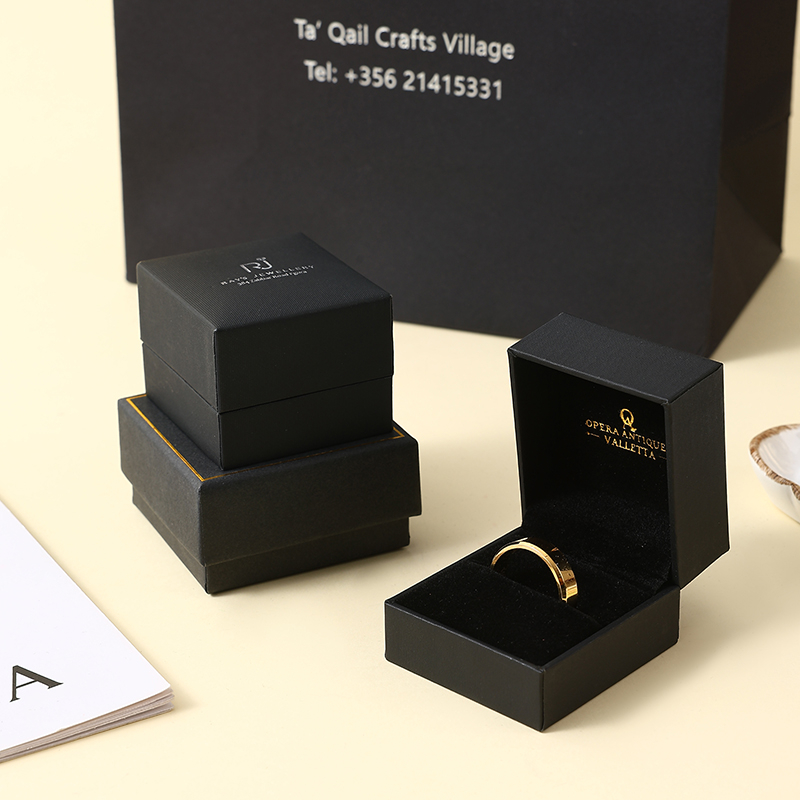
Choosing the right ring box size is one of those decisions that seems minor until you realize it directly affects product presentation, customer experience, and your packaging cost per unit. For bulk buyers — whether you are a jewelry brand, a wedding planner sourcing in volume, or a retail chain managing seasonal inventory — getting the dimensions right from the start saves significant rework, wastage, and supplier back-and-forth. The wrong size can make a ring look cheap or lost inside oversized packaging, while a box that is too tight risks damaging the piece entirely.
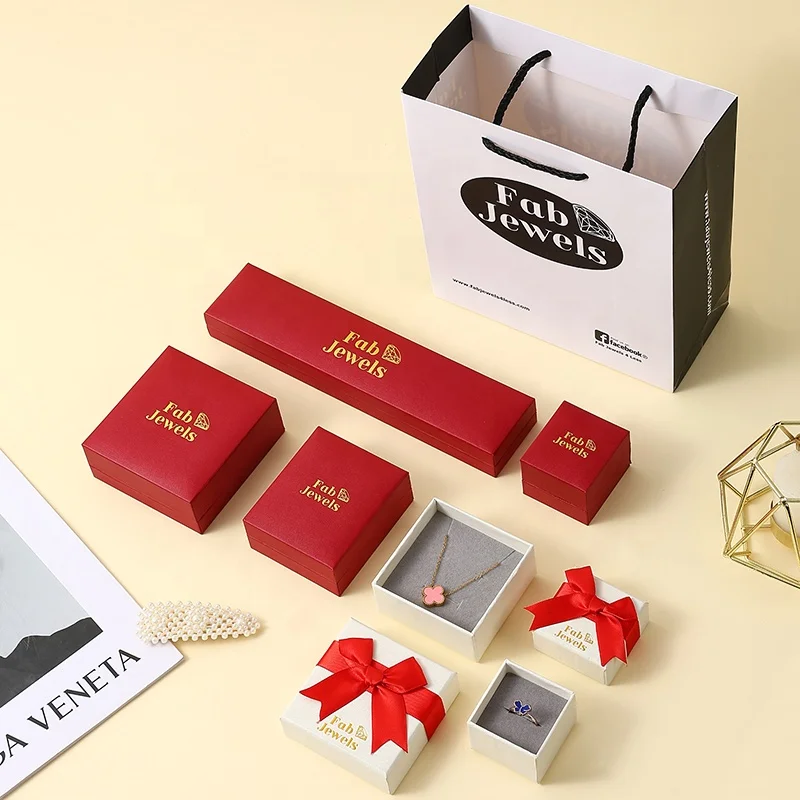
This guide breaks down the key sizing considerations for the ring box format, covering standard dimensions, ring type compatibility, insert depth, and practical bulk ordering tips. Whether you are specifying a custom size or selecting from a standard range, this spec-focused guide helps you make a confident, informed call before placing a large order.
Understanding Standard Ring Box Dimensions
Common Footprint Sizes in the Market
The most widely used ring box footprint in wholesale markets measures approximately 50mm x 50mm (roughly 2 inches square). This compact square format is the industry default because it works for most solitaire rings, bands, and simple stacking rings. It is small enough to be cost-efficient at scale yet large enough to hold a ring securely without excessive internal movement.
For slightly wider designs — such as eternity bands or rings with complex side settings — a 55mm x 55mm or even 60mm x 60mm footprint is more appropriate. These sizes prevent the ring from being forced into the insert at an awkward angle, which can stress delicate prong settings or scratch polished metal. Bulk buyers should always confirm the widest point of the ring style before locking in a footprint.
In some specialty markets, rectangular ring box formats are used to accommodate elongated or statement rings. A typical rectangular format runs around 70mm x 50mm, giving the ring more lateral room while maintaining a compact visual profile. This shape is also popular for two-ring sets, such as engagement and wedding band pairs.
Height and Depth Specifications
Box height is often overlooked by first-time bulk buyers, yet it directly determines how well the ring sits and how the lid closes. A standard ring box base depth ranges from 30mm to 40mm when measured closed. The interior cavity, including the foam or velvet insert slot, typically sits between 18mm and 25mm deep.
For high-profile rings — such as statement cocktail rings or rings with tall cathedral settings — a deeper base of at least 35mm interior depth is recommended. If the ring shank extends below the insert, the base needs room to accommodate it without the lid pressing down on the stone or setting. This is a common dimensional error that leads to damaged goods during shipping.
Lid height is equally important. A lid that is too shallow will not fully close over a tall ring, while an excessively deep lid adds unnecessary material cost and makes the box feel disproportionate. Most ring box lids measure between 15mm and 20mm in height, which creates a balanced proportion when the box is closed and displayed on a retail surface.
Matching Box Size to Ring Type
Solitaire and Classic Band Rings
Solitaire rings — the most commonly gifted ring type — fit comfortably in a standard 50mm x 50mm ring box with a base depth of around 35mm closed. The insert slot, typically centered and padded with foam or velvet, should measure approximately 18mm wide to hold a standard shank without looseness. Tight tolerance here matters: a loose ring rattles during shipping and signals poor quality to the recipient.
Classic bands, including wedding bands and plain metal rings, are generally thinner and lower profile. They can sit in a slightly shallower ring box base. However, wide bands — those measuring 8mm or more in band width — may need a wider insert slot, closer to 20mm to 22mm, to avoid the band sitting at an angle inside the box.
When ordering in bulk for a product line that includes both solitaires and bands, it is worth standardizing on one versatile ring box size that accommodates both. A 55mm x 55mm footprint with a 35mm closed depth and a 20mm insert slot width is a practical all-rounder for most standard ring collections.
Statement Rings and Multi-Ring Sets
Statement rings and cocktail designs require more considered sizing. The ring head — the decorative top portion — can range from 20mm to over 40mm in width for large gemstone settings. This means the interior cavity of the ring box must be wide enough to allow the ring to sit flat without the stone pressing against the lid. A minimum footprint of 60mm x 60mm is recommended for these styles.
Multi-ring sets, particularly engagement and wedding band pairings, require either a dual-slot insert within a single larger ring box or a modular tray format. The dual-slot format typically runs 80mm to 90mm in length with two parallel insert slots spaced approximately 25mm apart center-to-center. Confirming these internal dimensions with your supplier is essential when ordering custom configurations.
Bulk buyers sourcing for gifting or retail display purposes should also consider the unboxing experience. A deeper lid on a ring box creates a more dramatic reveal when opened, which adds perceived value — an important factor in premium or bridal retail contexts. This emotional dimension of box sizing is often underappreciated in spec discussions.
Insert Types and Their Impact on Effective Box Size
Foam Inserts vs. Velvet Pillow Inserts
The insert type directly affects how much usable internal space is available inside a ring box. Foam inserts, which are cut or molded with a slot, typically compress slightly and can accommodate minor variations in shank thickness. Standard foam insert slots measure between 16mm and 22mm wide and 20mm to 30mm deep from the slot opening. The slot depth determines how securely the ring shank is held.
Velvet pillow inserts — the classic soft cushion style — sit proud of the box base and rely on a groove rather than a slot to hold the ring. These inserts are shallower and require a wider-diameter ring groove to grip the shank. If your ring collection includes very thin or delicate bands, a velvet pillow insert may allow the ring to slip, which is a known fit issue worth testing before committing to a large ring box order with this insert style.
From a bulk sizing perspective, foam inserts are generally more forgiving and adaptable. Many custom ring box suppliers offer inserts with adjustable slot configurations or dual-density foam options that can grip a wider range of ring profiles. Requesting foam insert samples alongside your box samples is strongly recommended during the pre-production stage.
Insert Thickness and Box Base Depth
Insert thickness adds to the effective internal height requirement of the ring box. A standard foam insert is typically 25mm to 35mm thick. When placed inside the box base, the insert occupies most of the base depth, leaving the ring shank to sit in the slot with the ring head extending upward into the lid space. This vertical stacking geometry determines whether the lid will close cleanly.
If you are sourcing a ring box with a magnetic closure — increasingly popular for premium packaging — the closure mechanism adds a small amount of material at the rim. This means the lid must travel slightly further to engage the magnet, and the ring head must clear the lid interior when closing. Always request a closed-box interior height measurement from the supplier, not just the box outer dimensions.
For sustainable or recycled paper-based ring box constructions, wall thickness can be thicker than traditional rigid boxes, which reduces available interior space. Eco-friendly ring packaging often runs 2mm to 3.5mm in wall thickness compared to 1mm to 1.5mm for standard rigid paper boxes. This difference may seem minor but becomes meaningful when the interior cavity is only 50mm wide to begin with.
Bulk Ordering Considerations for Ring Box Sizing
Standardizing Across a Product Range
When ordering a ring box at scale, standardization reduces per-unit cost significantly. Maintaining three or fewer box sizes across an entire ring collection simplifies inventory management, reduces tooling costs for custom inserts, and streamlines packing workflows. The most efficient bulk buyers segment their range into small (standard solitaire), medium (wide band and statement), and large (multi-ring sets) and specify one ring box for each segment.
Before finalizing sizes, it is worth cataloging every ring SKU by its three key dimensions: shank width, total ring head width, and ring height from base of shank to top of stone or setting. These three data points map directly to insert slot width, box footprint, and required base depth respectively. This dimensional audit takes time upfront but prevents costly reorders after bulk production.
Custom sizing is widely available from wholesale ring box suppliers, often with lower minimum order quantities than buyers expect. Customizing the footprint by just 5mm to 10mm over a standard size can solve a persistent fit issue for a specific product line without requiring a fully bespoke mold. This incremental customization approach is a practical middle ground for mid-volume buyers.
Sampling and Pre-Production Verification
No bulk ring box order should be confirmed without physical sample verification. A sample set should include at least one box at each size being ordered, with the intended insert, and should be tested with actual ring products from your inventory. Check that the ring sits securely without excessive tightness, that the lid closes fully, and that the box can withstand a gentle shake without the ring shifting noticeably inside.
Shipping simulation is also valuable. A ring box that holds a ring perfectly when stationary may allow movement during courier transit. Testing inside a standard outer shipper box with appropriate void fill helps identify any insert fit issues before full production. This step is especially important for high-value rings where any surface scratching is unacceptable.
Document the approved sample dimensions precisely — including insert slot dimensions, wall thickness, closed box height, and lid-to-base depth ratio — and include these in your purchase order as binding specifications. Relying on verbal agreements or generic catalog descriptions for ring box sizing is one of the most common causes of bulk order disputes in the jewelry packaging sector.
FAQ
What is the most common standard size for a ring box?
The most widely used standard ring box footprint is 50mm x 50mm with a closed height of approximately 35mm to 40mm. This size accommodates most solitaire rings and standard-width bands. For wider or taller ring styles, a 55mm x 55mm or 60mm x 60mm footprint with a deeper base is recommended to prevent fit issues.
How do I know if a ring box insert slot is the right width for my ring?
Measure the widest point of your ring shank — this is typically the band width, not the head width. The insert slot should be approximately 2mm to 4mm narrower than the shank to create a snug grip without forcing the ring in. For very thin bands under 2mm, use a velvet pillow insert or a narrow-slot foam insert to prevent slippage inside the ring box.
Can I order a ring box in a custom size for bulk production?
Yes. Most wholesale ring box suppliers offer custom sizing with minimum order quantities that vary by material and construction type. Paper-based rigid boxes typically have lower custom MOQs than molded plastic formats. Providing exact internal dimension requirements — including insert slot dimensions and closed box height — rather than just outer dimensions ensures the final product meets your fit specifications.
Does wall thickness affect the internal size of a ring box?
Yes, wall thickness is a critical but often overlooked factor. Standard rigid paper ring box walls are typically 1mm to 1.5mm thick, while eco-friendly or thicker board constructions can reach 2mm to 3.5mm per wall. In a 50mm wide box, a 3mm wall thickness on each side reduces the usable interior width to 44mm — enough of a difference to affect how a wider-band ring or insert fits inside the box.