
 EN
EN



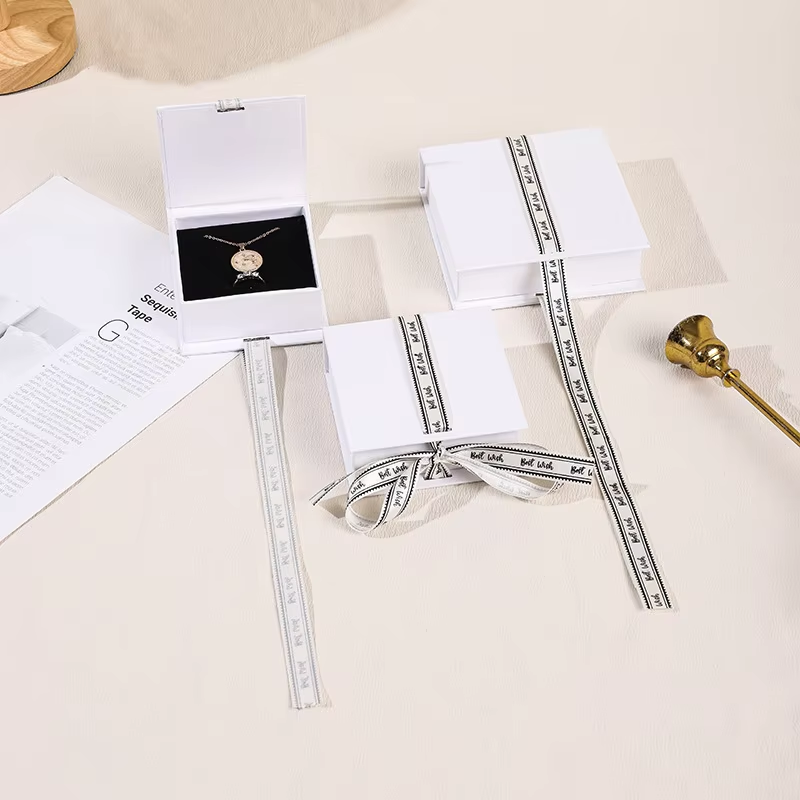
מותגי תכשיטים יוקרתיים פועלים בסביבה תחרותית קיצונית שבה כל נקודת מגע עם הלקוח חשובה. חווית הפתיחה התפתחה מאמצעי הגנה פשוט לגורם אסטרטגי להבחנת המותג שמשפיע על החלטות רכישה, על תפיסת המותג ועל נאמנות הלקוח. הלקוחות המבוסרים של היום מצפים עטיפות תכשיטים לשקף את אותו רמת האומנות, האלגנטיות והתשומת לב לפרט כמו היצירות היקרות שהיא מכילה. הבנת הטרנדים האחרונים באריזות תכשיטים מאפשרת למותגים יוקרתיים להישאר רלוונטיים, ליצור חוויות בלתי נשכחות ולצדד במחירים הפרמיומים שלהם, תוך התאמה לציפיות המשתנות של הצרכנים בערוצי הקמעונאות הפיזיים ובערוצי המסחר האלקטרוני.
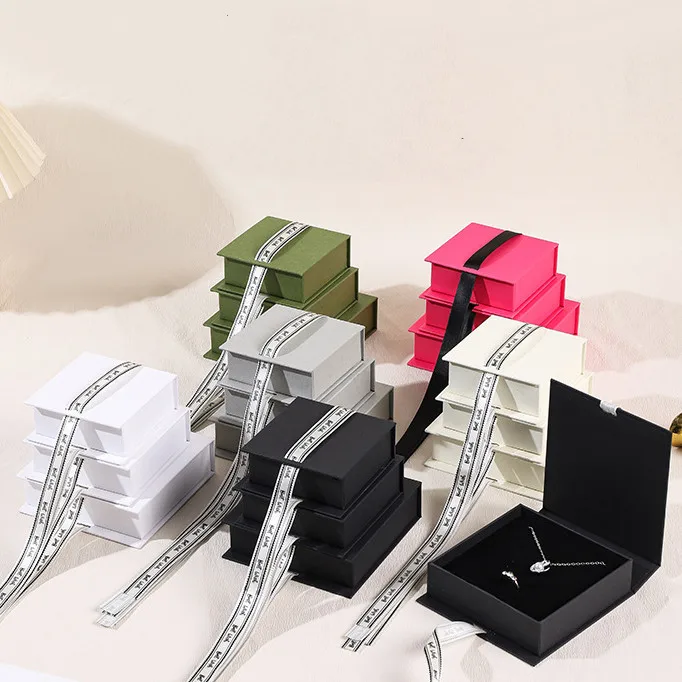
נוף אריזות התכשיטים המודרני מושפע מכמה כוחות מתכנסים, ביניהם דרישות ליציבות סביבתית, אינטגרציה דיגיטלית, דרישות לאישיות ועליית הרעיון של יוקרה חוויתית. מותגים יוקרתיים מחדשים את תפיסתם של אריזות כתוספת לסיפור המותג שלהם, ולא רק כמיכלים פונקציונליים. מגמות אלו משקפות שינויים רחבים יותר בערכים הצרכניים, במיוחד בקרב דור המילניום העשיר והדור Z, שמציבים דגש על אמינות, אחריות סביבתית וחווויות ייחודיות. מותגים שמזדהים בהצלחה עם מגמות אלו באסטרטגיות האריזה לתכשיטים שלהם ממקמים את עצמם כדי לזכות בחלקה השוק, לחזק את ערך המותג וליצור קשרים רגשיים מעמיקים יותר עם קהל היעד שלהם בשוק היוקרה הפורץ והמתחרה יותר מאי פעם.
פתרונות אריזה ברות-סביבה ומודעים סביבתית
מעבר לחומרים ניתנים להתפרקות ולחומרים מחזורים
תעשיית התכשיטים הלוקסוס חווה טרנספורמציה יסודית כשמושג הקיימות הופך לרכיב בלתי נידון של זהות המותג. מותגים ברמה גבוהה מאמצים יותר ויותר חומרים ניתנים להתפרקות, ניירות מחזוריים ואלטרנטיבות מבוססות צמחייה בעיצוב אריזות התכשיטים שלהם. מעבר זה הוא תגובת ישירה למחקרים על הצרכנים שמראים שמעל 70 אחוז מהקונים של מוצרים בקטגוריית הלוקסוס לוקחים בחשבון את ההשפעה הסביבתית בעת קבלת החלטות הקנייה שלהם. פאנלים נייריים מחזוריים באיכות פרימיום, שקיות מכותנה אורגנית ואריזות עץ מאושרות על ידי FSC מחליפות כיום את החומרים החדשים הרגילים, מבלי לפגוע בערך הנראה או באיכות ההגנה שצפויה מאריזות תכשיטים בקטגוריית הלוקסוס.
מותגים חדשניים חוקרים חומרי אריזה מבוססי פטריות, סרטים המופקים מאצות ימיות וקומפוזיטים המבוססים על פסולת חקלאית שמתפרקים באופן טבעי תוך שמירה על שלמות מבנית במהלך השינוע והאחסון. חומרים אלו דורשים הנדסת מדויקת כדי להשיג את הקשיחות, האיכות החושית והגימור הדרושים לאריזות תכשיטים ברמה גבוהה. הקושי הטכני נובע מהצורך לאזן בין התאמות סביבתיות לחווית היוקרה החושית שלקוחות מקשרים עם מותגים פרמיומים. יישומים מוצלחים מראים כי עמידות ויאוקרה אינן ניגודיות אלא ערכים משלימים שמחזקים את אמינות המותג ואת מעמדו כמוביל מחשבות בשוק התכשיטים התחרותי.
פילוסופיית העיצוב המינימליסטית וצמצום החומרים
מגמות אריזות תכונות עתידיות מדגישות מינימליזם מעודן שמצריך פחות חומרים תוך הגדלת ההשפעה החזותית באמצעות עיצוב מושכל. גישה זו עומדת במשימה של יעדים סביבתיים, וכן מתאימה להעדפות האסתטיות של צרכנים מודרניים של מוצרי פאר שמעריכים אלגנטיות רגועה על פני תצוגות נראות ומרשימות מדי. מותגים יוקרתיים מבטלים שכבות מיותרות, מקטינים את מידות האריזה כדי להתאים בדיוק למוצר, ובוחרים בפתרונות המורכבים מחומר אחד בלבד שמקלים על תהליכי המחזור. פילוסופיית המינימליזם הזו עוברת את היתרונות הסביבתיים כדי ליצור חוויית פתיחת אריזה מרוכזת ומבוקרת יותר, אשר מדגישה את התכשיט עצמו במקום לפגוע באסתטיקה שלו באמצעות אלמנטים מיותרים של תצוגה.
היישום של אריזות תכשיטים מינימליסטיות דורש מומחיות מעצבת מתוחכמת כדי להבטיח שפשטות לא תתרגם לתחושה של זול בעיני הלקוח. מותגים פרמיומים משיגים את האיזון הזה באמצעות תשומת לב מדויקת ליחסים, שימוש אסטרטגי במרחב הריק, והשקעה באיכות יוצאת דופן של החומרים – גם כאשר כמות החומר הכוללת נמוכה יותר. חריטה עדינה, גימור מדויק של הקצוות וסגירות ממוקדות במדויק הופכות חשובות יותר כאשר נמנעים מפינת דקורציה מורכבת. מגמה זו משקפת בגרות בשווקי היוקרה, שם צרכנים מודעים מבינים שאמיתית יוקרתית נמצאת לעתים קרובות בהשתרעות, ושעיצוב מושכל של אריזות לתכשיטים מדגים כבוד הן למוצר והן לכדור הארץ.
מושגים של אריזות לשימוש חוזר ורב-תפקודיות
מותגים קדימים בחשיבה בתחום התכשיטים מעצבים אריזות עם תועלת מחזורית ממושכת, המאפשרות להפוך קופסאות לארונות לאחסון עתידי, לקופסאות נסיעות או לאובייקטים דקורטיביים שזוכים להצגה קבועה. מגמה זו פותרת את דאגות הפסולת ומספקת חשיפה מתמשכת למותג בבתיהם של הלקוחות, וכן מחדדת את ערך הרכישה הלוקסוסית. עטיפות תכשיטים מעוצב לשימוש חוזר, וכולל מאפיינים מתחשבנים כגון כריתות ניתנות להסרה, תאים מודולריים ואיכות בנייה העמידה בפני טיפול חוזר לאורך שנים, ולא רק לשימוש יחיד והשלכה.
מותגים פרמיומים משקיעים בהנדסת אריזות לתכשיטים שמאפשרת לקופסאות לשמש כפתרונות אחסון קבועים לאוספים גדלים של תכשיטים, ובכך מפחיתה את הצורך של הלקוחות לרכוש מאגרי ארגון נפרדים. סגירות מגנטיות, פנים מרופדות בולבוש ועיצוב שמתאפשר לערום – כל אלה משפרים את הפונקציונליות תוך שמירה על עקביות אסתטית שמצופה ממותגים יוקרתיים. גישה זו משנה את תפקיד האריזה מהפונקציה של מרכז עלות לרכיב בעל ערך מוסף בתוכנית המוצרים, מה שמסביר את המחירים הגבוהים ומייחד את המותג מול מתחרים שעדיין משתמשים באריזות חד-פעמיות. המגמה של שימוש חוזר באריזה יוצרת גם הזדמנויות שיווקיות אורגניות, כאשר הלקוחות מציגים את האריזה היפה בפוסטים ברשתות החברתיות ובמרחבים פיזיים, וממשיכים בכך להרחיב את ההישגיות של המותג מעבר לרגע הקנייה הראשוני.
יכולות אישור אישי והתקנה אישית
הטבעה אישית ורכיבי עיצוב ייחודיים
ההתאמה האישית עלה לשלב של מאפיין מגדיר לחוויות יוקרה מודרניות, ואריזות תכשיטים משמשות כעת כקלף ליצירת אינטראקציות מותאמות אישית בין המותג ללקוח. מותגים יוקרתיים מפעילים שירותים של חקיקה אישית (מונוגרמות), בחירות צבעים מותאמות אישית ושינויי עיצוב ייחודיים שמעבירים את אריזות התכשיטים הסטנדרטיות למצבות ייחודיות שמשקפות את העדפות הלקוח האישיות. מגמה זו מתמודדת עם מחקרים בפסיכולוגיה צרכנית שמראים שחוויות מותאמות אישית יוצרות קשרים רגשיים חזקים יותר ומעלות את הערך הנראה על אף שהמוצר הבסיסי נשאר ללא שינוי. טכנולוגיות הדפסה דיגיטליות מתקדמות ומערכות ייצור גמישות מאפשרות התאמה אישית בכלכלה סבירה בקנה מידה גדול – דבר שהיה בלתי אפשרי בעבר בייצור אריזות יוקרה.
יישום אריזות תכשיטים מותאמות אישית עובר את הדפסת השם בלבד, וכולל איורים מותאמים אישית, תאריכים בעלי משמעות, מסרים אישיים והסתגלויות עיצוביות ספציפיות לתרבויות שמתאימות ללקוחות גלובליים מגוונים. מותגים פרמיומים מתאימים את אפשרויות ההתאמה across נקודות מגע מרובות, כולל עיצוב הקופסה החיצונית, דפוסי הריפוד הפנימי, בחירת הרצועות והכרטיסים המלווים, כדי ליצור חוויית התאמה מאוחדת. רמת ההקפדה הזו מדגימה את מחויבות המותג ללקוחות האינדיבידואלים ומשנה את אריזת התכשיטים לזכרון יקר שאותו הנמענים שומרים זמן רב לאחר הפתיחה הראשונית. המגמה זוכה לתהודה מיוחדת בהקשרים של מתנות, כאשר הצגה מותאמת אישית מגבירה את המשמעות הרגשית של קניית התכשיטים ויוצרת רגעים בלתי נשכחים שזוכים לקשר עם המותג.
אינטגרציה דיגיטלית וטכנולוגיות אריזה חכמות
מותגי תכשיטים מתקדמים משדרגים את החבילות שלהם בטכנולוגיות דיגיטליות כדי לחבר בין חוויית המותג הפיזית לחוויית המותג הדיגיטלית. שבבים לתקשורת קרובה (NFC), קודים QR וטריגרים של מציאות מוגדלת (AR) המשולבים בחבילות התכשיטים מאפשרים אימות מוצר, הוראות לטיפול, תוכן סיפורי על המותג וחוויות דיגיטליות ייחודיות כאשר הלקוחות פועלים על החבילה באמצעות סמרטפונים. שילוב טכנולוגי זה משרת מספר מטרות אסטרטגיות, ביניהן מניעת זיוף, חינוך הלקוח, מעורבות לאחר הקנייה ואיסוף נתונים שמהווים בסיס לפיתוח מוצרים עתידיים ואסטרטגיות שיווק.
אריזות תכשיטים חכמות יוצרות הזדמנויות ליחסים מתמשכים עם הלקוחות שמתפשטים בהרבה מעבר למערכת הקנייה הראשונית. מותגים יכולים לשלוח עדכונים של תוכן, הצעות מיוחדות ותזכורות לתיקון או לשימור דרך ערוצים דיגיטליים שהופעלו על ידי אינטראקציות עם האריזה, ובכך להפוך את האריזות הסטטיות לפלטפורמות דינמיות للتקשורת. הטכנולוגיה מאפשרת גם מעקב מתקדם של דפוסי ההתנהגות של הלקוחות, חוויית הפתיחה (unboxing) והמסע של המוצר מהמחסן למשתמש הסופי, ויוצרת תובנות ערכיות לאופטימיזציה של שרשרת האספקה ושיפור חוויית הלקוח. כשמצרכני היוקרה מצפים יותר ויותר לחוויות אומניצ'אנל חלקות, אריזות תכשיטים מוגדלות באופן דיגיטלי ממצבות את המותגים כמנהיגים חדשניים, תוך כדי סיפוק תועלת פרקטית שמצדיקה את המיקום הפרמיום שלהם בשווקים תחרותיים.
סדרת אריזות לעריכה מוגבלת ואוספי
מותגי תכשיטים מובילים יוצרים עיצובי אריזה של מהדורה מוגבלת שמשנים את הקופסאות הפונקציונליות לאובייקטים אמנותיים שאפשר לאסוף, בעלי ערך פנימי עצמאי, שלא תלוי בתכשיטים שהן מכילות. אסטרטגיה זו מנצלת את הפסיכולוגיה של האוספים, יוצרת דחף לרכישה ומייצרת רעש ברשתות החברתיות כאשר הלקוחות משתפים את עיצובי האריזה הייחודיים עם הרשתות שלהם. קולקציות עונתיות, שיתופי פעולה עם אמנים ועיצובי זיכרון בעלי חשיבות תרבותית מעלים את אריזת התכשיטים מעצם יומיומי למשהו נחשק, שראוי לרכישה והצגה. מגמה זו מתחילה במיוחד אצל צרכני היוקרה הצעירים, אשר מעריכים חוויות ייחודיות ולוקחים חלק בלעדית במוצרים שזמינים בכמויות מוגבלות.
היישום של אריזות לצעצי אספנות מחייב התאמה זהירה בין מורשת המותג, החזון האומנותי והאפשריות הייצורית כדי ליצור עיצובים שמרגישים מיוחדים מבלי לפגוע בלקוחות הליבה שמעדיפים אסתטיקה עקבייה של המותג. תוכניות מוצלחות קובעות זהויות ברורות לסדרות, שומרות על סטנדרטים מחמירים באיכות בכל הרצפים המוגבלים ומשדרות את הריבוד באופן אותנטי, ללא מניפולציה מלאכותית. מותגים פרמיומים משתמשים בגרסאות המיוחדות הללו כדי לבחון כיווני עיצוב חדשים, לחגוג מאפייני דרך של המותג ולתת פרס ללקוחות נאמנים עם גישה ייחודית לוריאציות מיוחדות של האריזה. הגישה לאיסוף הופכת את אריזות הצעצית מהוצאה תפעולית לנכס שיווקי שיוצר דיווח תקשורתי זוכה, מחזק את המשיכה של המותג ויוצר ערך בשוק משני שמחזק את המיקום הלוקסי.
גישות לעיצוב חווייתי וחושי
חוויות פתיחת אריזה מרובה חושים
עיצוב אריזות תכונות עתידיות לתחבושות מעורר את החושים השונים בו זמנית, כדי ליצור חוויית פתיחת אריזה מרהיבה שלקוחות זוכרים ומשתפים. מעבר לאסתטיקה הוויזואלית, מותגים יוקרתיים מתכננים בקפידה את המרקמים המיששיים, הריחות הדקים, האפקטים הקוליים של פתיחת הסגירות, ואפילו את המשקל והאיזון של אריזות התכונות כשכולים מחזיקים בא Boxes. גישה מרובה חושים זו מכירה בכך שהתפיסה של יוקרה נוצרת דרך חוויות כוללות, ולא דרך רשמים ויזואליים מבודדים. חומרים פרימיום כגון מצופים בעלי מישוש רך, ניירות מוטקסטורים ורצועות משי מספקים משוב מיששי ייחודי שמעיד על איכות ועיבוד מקצועי עוד לפני שהלקוחות רואים את התכונות בתוך האריזה.
המַרְכֵּב הָרֵיחָנִי בְּמִיתָרִים מְשׁוּלָבִים (Olfactory branding) מַצִּיג מִמֶּדָּד מְעֻלֶּה בְּיוֹתֵר בְּאֶמְצָעוּת אֲחוּזַת הַחֲשָׂפִים הַחֲשֻׁפִּיִּים לְיִקְרוּת, שֶׁבָּהּ מַרְחִיקוֹת יִקְרוּת פּוֹתְחוֹת רֵיחוֹת מְיֻחָדוֹת שֶׁנִּמְשָׁכִים בְּצִנְעָנִיּוּת לְתוֹךְ חֳמָרֵי הָאֲחוּזָה אוֹ מְסוּפָּקִים כְּפִסְקוֹת רֵיחָנִיּוֹת. רֵיחוֹת אֵלּוּ יוֹצְרִים אֲסוֹקִיּוֹת זִכָּרוֹן עֲצוּמוֹת שֶׁהַצְּרָכִים מְחַבְּרִים בְּצִנְעָנִיּוּת לְזֶהוּת הַמָּרְכָּל, וּמְחַזְּקִים אֶת הַזִּכָּרוֹן וְאֶת הַחִבּוּר הָרַגְשָׁנִי. הַמִּמְדָּד הָאֲקוּסְטִי מְרַכֵּז אֶת הַתְּשׁוּקָה לִמְכָנִיזְמֵי סִגּוּר שֶׁמַּעֲלוֹת קוֹלוֹת מְיֻחָדִים הַמַּרְאִים עַל הַנְּכוֹנוּת הַמְּכָנִית וְעַל בִּנְיַן הָאֵיכוּת. מַרְכָּלוֹת בְּרֵישָׁה מַקְדִּישׁוֹת מִשְׁאֶרֶת נִרְאֶה בְּהִשְׁלָמַת פְּרָטִים צִנְעָנִיִּים אֵלּוּ, כִּי הַמִּסְקָרִים מַרְאִים בְּצִוְדִיּוּת שֶׁהַחֲשָׂפִים הַחֲשֻׁפִּיִּים מַשְׁפִּיעִים בְּצֵד הַמְּרֻבֶּה עַל הַהֲנָאָה מִקְּנִיַּת הַיִּקְרוּת וְעַל הַנִּתְיוֹן לִקְנוֹת שׁוּב, בְּהַשוּאָה לְמִדּוֹת הַפּוּנְקְצִיּוֹנוּת הַמְּהֻדָּרוֹת בִּלְבַד.
מְכָנִיזְמֵי גִּלּוּי דְּרָמָטִיִּים וְחִדּוּשִׁים בִּנְיָנִיִּים
אריזות תכשיטים חדשניות משתמשות בעיצובים מבניים מתקדמים שמשנים את תהליך הפתיחה לחוויית גילוי מדויקת ומעוצבת, המגבירה את ההתרגשות וההנאה. מנגנוני פתיחה מגנטיים, מערכות תריסיות, תאים מוטבעים זה בתוך זה ומבנים קיפוליים בהשראת האוריגמי יוצרים רגעים של גילוי שמרחיבים את המסע הרגשי מעבר לפתיחת קופסה פשוטה. אלמנטים תיאטרליים אלו משרתים מטרות אסטרטגיות על ידי замְעֲכִיבַת תהליך הפתיחה, התמקדות במצגת התכשיטים ויצירת רגעים שמתאימים לפרסום באינסטגרם, אשר הלקוחות רוצים באופן טבעי לתעד ולשתף עם הרשת שלהם. המורכבות המבנית מעידה גם על אומנות ייצור ומסבירה את המחירים הגבוהים על ידי הדגמה של השקעה של המותג בכל היבט של חוויית הלקוח.
מותגים פרמיומים שותפים עם מהנדסי אריזות מבניים متخصصים כדי לפתח מנגנוני פתיחה ייחודיים שמהווים חתימה מותגית המבדילה את אריזות התכשיטים שלהם מתחרותיהם. חדשנות זו מגוונת, החל ממערכות משיכה בחבל שמביאות לחשיפת המוצר באורח אлегנטי, ועד להצגות של ציפה מגנטית שמעוררות את הרושם שהתכשיטים מרחפים באוויר. את האתגרים ההנדסיים פוגשים על ידי שילוב של דרמטורגיה חזותית עם תפקוד אמינה לאורך זמן, תוך הבטחת פעילות חלקה של המנגנונים ללא הופעה של מורכבות או רגישות יתר. אריזות תכשיטים תיאטרליות מוצלחות יוצרות רגעים שראויים לשיתוף, אשר يولידים תוכן אורגני ברשתות החברתיות, מרחיבים את הטווח השיווקי ללא הוצאה נוספת על פרסום, ומחזקים את עמדת המותג כמנהיג חדשני בתחום החוויות הלוקסוסיות.
סיפורי דרך נרטיב חזותי ופרטים של אומנות יד
אריזות תכשיטים מפוארות מתפקדות יותר ויותר כאמצעי לסיפור המותג, כאשר אלמנטים חזותיים מעבירים את הירושה, פילוסופיית האומנות והערכים של המותג ללא הסברים טקסטואליים מפורשים. הדפסה על צד הפנימי של מכסה התיבה, ריפוד מגירות וחומרי עטיפה מגנים כוללים תמונות ארכיוניות, דיוקנאות של אמנים, שרטוטי עיצוב ותיעוד תהליכי ייצור שמלמדים את הלקוחות על יצירת התכשיטים ובונים הערכה למומחיות המותג. גישה נרטיבית זו ממירה את אריזת התכשיטים מכולל פשוט לאובייקט חינוכי שמעמיק את ההבנה של הלקוח והשקעה הרגשית ביחס עם המותג.
פרטי האומנות המובהקים בבניית אריזות התכשיטים עצמם מעבירים את ערכי המותג בצורה חזקה יותר מאשר טענות שיווקיות. קצוות מוגמרים ידנית, רכיבים שמתאימים במדויק, חומרים שנבחרו בזהירות כדי להתאים זה לזה וסימנים נראים של בקרת איכות מדגימים את תשומת הלב לפרט שהלקוחות מרחיבים גם על תכשיטי המותג עצמם. מותגים פרמיומים מעדיפים בכוונה להשאיר חלק מהרכיבים הבנאיים גלויים ולא מסתתרים, כדי לאפשר ללקוחות לצפות ולהעריך את המורכבות שמעורבת בייצור אריזות תכשיטים יוצאי דופן. שקיפות זו בונה אמון ואותנטיות, ובמקביל מבדילה בין המותגים לבין מתחרים המשתמשים באריזות סטנדרטיות וקומודיטיות. ממד הסיפוריות יוצר גם נושאי שיחה טבעיים לעובדי הקמעונאות ומספק ללקוחות סיפורים משכנעים שיכלו לשתף בעת מתן תכשיטים כמתנה, וממשיך בכך את מסר המותג דרך ערוצים אורגניים של שפה-מפה-לפה.
אסתטיקה יוקרתית וחדשנות בחומרים
שילובים פרימיום של חומרים וטקסטורות בלתי צפויות
אריזות תכשיטים עתיקניות חוקרות שילובים לא קונבנציונליים של חומרים שיוצרים עניין חזותי וסקרנות טקטילית, תוך שמירה על מיקום יוקרתי. מותגים יוקרתיים משולבים חומרים מסורתיים כמו עור ווולבט עם רכיבים בלתי צפויים כגון בטון, רשת מתכת, רזינים שקופים ובדים טכנולוגיים הלקוחים מעולם האופנה והעיצוב התעשייתי. שילובים חדשניים אלו מטילים ספק באסתטיקה הקונבנציונלית של היוקרה, ובמקביל מדגימים יצירתיות של המותג וביטחון בעיצובו. השימוש האסטרטגי בטקסטורות ניגודיות בתוך עיצוב אחד של אריזת תכשיטים יוצר חוויית תצוגה חזותית דינמית שמתאימה לצילום ברשתות החברתיות, וכן מספקת משוב טקטילי עשיר בעת טיפול פיזי באריזה.
החדשנות בחומרים משתרעת לטיפולים על פני השטח ולטכניקות גימור שמשנות תת-שכבות סטנדרטיות לחתימות מותג ייחודיות. אריזות תכשיטים פרמיום כוללות מסות פנינה, דפים הולוגרפיים, דיו תרמומורפי שמשנה צבעו בהתאם לטמפרטורה, וורניש נוגן-רך שיוצר טקסטורות דומות לעור אגוז על משטחים נייריים. טיפולים מיוחדים אלו דורשים יכולות ייצור מתקדמות ובקרת איכות מדויקת, אך הם מביאים להבחנה שצרכנים מזהים מיד כפרמיום. מגמת חקר החומרים משקפת את דינמיקת השוק הפרמיום הרחבה יותר, שבה צרכנים מודעים מחפשים חדשנות אמיתית במקום סמלים קלאסיים של מעמד, ומעניקים הכרה למותגים שמפגינים יצירתיות אמיתית בעיצוב אריזות לתכשיטים, ולא רק משכפלים קונבנציות פרמיום קיימות.
פילוסופיית העיצוב השקוף והמציג
מגמה בולטת באריזות תכשיטים יוקרתיים היא עיצובים שקופים או חלקיים-שקופים המציגים את התכשיטים תוך כדי שמירה על הגנה ומבנה מציג. רכיבי אקריליק שקופים, חורים חלוניות ורכיבי זכוכית מאפשרים ללקוחות להעריך את היופי של התכשיטים עוד לפני פתיחת האריזה בשלמותה, ויוצרים תחושת חיכוי תוך הפחתת המחסום הנראה בין הלקוח למוצר. גישה זו מתאימה במיוחד בהקשר של מסחר אלקטרוני, שבו הלקוחות אינם יכולים לתקשר פיזית עם התכשיטים לפני הקנייה, מאחר שאריזות תכשיטים שקופות אשר נלכדות בתצלומי מוצר מעניקות ביטחון בנוגע לאיכות המראה והמראה של המוצר.
פילוסופיית העיצוב השקוף דורשת הנדסת טיפוח מדויקת כדי לשמור על תחושת הרווחה תוך שילוב אלמנטים פונקציונליים של ראייה. מותגים יוקרתיים משיגים את האיזון הזה באמצעות חלונות חתוכים במדויק עם קצוות מסודרים, אקריליק באיכות מוזיאונית עם בהירות מושלמת, ושכבות ממוקדות שיוצרות עומק ומעניינות ויזואלית במקום חשיפה פשוטה. גישת ההצגה משפיעה גם על החלטות בעיצוב הפנים, מאחר ששטחים נראים דורשים איכות מושלמת של סיום ותיאום צבעים עקבי. מגמה זו מתאימה למשאלות הצרכניות הרחבות יותר לשקיפות ולאותנטיות בשווקי היוקרה, שם הצרכנים מעריכים יותר ויותר תקשורת ברורה והצגה כנה על פני הסתרה מסתורית שיכולה לרמז על ניסיון לפצות על חסרונות המוצר.
אקסנטים מתכתיים ופרטי חומרה מדויקים
אריזות תכשיטים מתקדמות יותר ויותר כוללות אלמנטים מתכתיים ומכונות מדויקות שמחקות את אומנות היצירה של התכשיטים עצמם. ציריות מעוצבות במיוחד, סגירות מגנטיות, מגנים לקצוות ולפינות, ורגליים דקורטיביות בסיומות המתאימות לחומרים ממנה עשויה התכשיטים יוצרים עקביות חזותית בין הקופסה לתוכן שלה. רכיבי המתכת הללו משרתים מטרות פונקציונליות, ובמקביל מסמנים איכות באמצעות משקלם המרשים, פעולתם החלקה והאיכות הנצית של הסיום שלהם, אשר עומדת במבחני טיפול חוזר. פרטים מכניים אלו מזדהים במיוחד עם לקוחות המוכרים למוצרים יוקרתיים בכל הקטגוריות, אשר מזהים בהנדסת דיוק סימן מובהק למוצרים פרמיומים אמתיים.
הטמעת פרטים ממתכת באביזרי אריזת תכשיטים דורשת שיתוף פעולה עם יצרנים متخصصים מסוגלים לייצר חומרה מותאמת בكمיות קטנות לפי مواصفות מדויקות. מותגים פרמיומים מציינים את סוג הסגנון, הממדים והמאפיינים הפונקציונליים שמתאימים לאסתטיקה הכוללת של המותג, תוך הבטחת עמידות המתאימה לשימוש לאורך זמן. ההשקעה בחומרה מותאמת יוצרת חתימות מותג ייחודיות שצרכנים מקשרים למותגי תכשיטים יוקרתיים ספציפיים, ומביאה לבניית הכרה ובעדיפות במפרצים תחרותיים. תשומת הלב הזו לפרטים מכניים מספקת גם רמזים טבעיים לאיכות בעת אינטראקציות קמעונאיות, כשמסיעי המכירות יכולים להדגים סגירות מגנטיות חלקות והתאמות מדויקות שמחזקות את הצעות הערך במהלך תהליכי קבלת ההחלטות של הלקוחות.
רלוונטיות תרבותית והתאמות ספציפיות לשוק
העדפות אסתטיות אזוריות וסימבוליזם צבעוני
מותגי תכשיטים גלובליים מותאמים את עיצובי האריזות שלהם כדי לשקף את ההעדפות האסתטיות האזוריות ואת הקישורים התרבותיים לצבעים שמשפיעים על תפיסת הרוסק across שווקים מגוונים. אריזות תכשיטים יוקרתיים לשוק האסייתי כוללות לעתים קרובות אלמנטים באדום וזהב, המקושרים לעושר ולחגיגות, בעוד שההעדפות במזרח התיכון מעדיפות דפוסים עשירים וגוונים עשירים של אבני חן שמשקפים את המורשת העיצובית האזורית. בשווקים האירופאיים מגיבים בדרך כלל לסוגיות מינימליסטיות ואלגנטיות ולקולר-פאלטס דוממים, בעוד שצרכנים בצפון אמריקה מעריכים גרפיקה אמיצה ועיצובים מבניים חדשניים. הבנת ההעדפות המורכבות הללו מאפשרת למותגים לשמור על זהות גלובלית תוך הדגמת רגישות תרבותית שמשדרת רזוננס עם בסיס הלקוחות המקומי.
התאמה תרבותית של אריזות לתכשיטים יוצאת далеко מעבר לראייה החיצונית וכוללת היבטים מבניים שמשקפים את מנהגי מתנות והמנהגים החברתיים הספציפיים לשוק האזורי. בשווקים היפניים נערץ דיוק בהצגה ובטקסי פירוק האריזה, ולכן דרושות אריזות לתכשיטים שמאפשרות חווית פתיחה טקסית. צרכני היוקרה בסין מעריכים אריזות מורכבות כרכיב חיוני בערך המתנה, מה שמצדיק הצגה מרשים יותר מאשר עלולה להיות מתאימה בשווקים המערביים, שבהם הדגש הוא על קיימות. מותגים פרמיומים מפתחים גרסאות אזוריות לאריזות תכשיטים אשר מכבדות הקשרים התרבותיים הללו, תוך שמירה על רכיבי זהות המותג המרכזיים שמבטיחים זיהוי עולמי. גישה מאוזנת זו מבטאת כבוד למסורות המקומיות, תוך שימור הנכסים של המותג שנבנו דרך זהות חזותית עקבייה בשווקים הבינלאומיים.
עיצובים ספציפיים לחגיגות ולמקרים מיוחדים
מותגי תכשיטים מתקדמים יוצרים גרסאות אריזה מיוחדות שמתאימות לרגעי מתנה מרכזיים ולחגים תרבותיים שמעוררים נפח רכישה משמעותי. אריזת תכשיטים לרגל חתונה מדגישה אסתטיקה רומנטית, איכות של "חפץ לזכרון", ועיצובים המתאימים לשימור זיכרונות לאורך זמן. קולקציות לחגים כוללות פאלה צבעונית עונתית, אלמנטים דקורטיביים חגיגיים, וтемות המתאימות להקשרים של חגיגה. עיצובים לרגל יום הנישואין והגעה לשלבים משמעותיים ביחסים מאפיינים אופי אлегנטי ומרשים, המoref על החשיבות של הצלחת הקשר. הגירסאות המיוחדות לרגעים מסוימים אלו מאפשרות למותגים להתאים את עצמם למצבים הרגשיים של הלקוחות במהלך רגעים חיוניים בחיים, תוך אופטימיזציה של האסתטיקה של אריזת התכשיטים להקשרים ספציפיים של שימוש המשפיעים על החלטות הקנייה.
פיתוח אריזות תכשיטים המיועדות לרגעים מיוחדים דורש מחקר שוק מדויק כדי להבין את המשמעות של האירועים השונים בקרב קבוצות הלקוחות היעד וההקשרים התרבותיים. מותגים פרמיומים נמנעים מעיצובים עונתיים כלליים ומבחרים במקום זאת בעיצובים מתוחכמים שמשמרים את המיקום הלוקסוסי שלהם, תוך הכרה בדמויות האירועים. זמינות לתקופה מוגבלת יוצרת דחף לרכישה סביב אירועים מסוימים, ובו זמנית מונעת עייפות מהעיצוב עקב חשיפה מתמדת לאותם ערכות אריזה לאורך כל השנה. הגישה האסטרטגית מאפשרת גם למותגים לבחון חדשנות בעיצובים במרצים מוגבלים, לפני שיכללו אלמנטים מוצלחים באוספים הקבועים של אריזות התכשיטים. אסטרטגיית השינוי לפי אירוע מספקת באופן טבעי הזדמנויות תוכן לקמפיינים שיווקיים, ונותנת ללקוחות סיבות משכנעות להתחבר למותגים שוב ושוב במספר רכישות לאורך מחזור החיים של הלקוח.
ביטוי מורשת ופרשנות עתידנית
מותגים מוכרים של תכשיטים מאוזנים בין ביטוי מורשת לבין אסתטיקה עתירתית בעיצוב החבילה שלהם, אשר מכבדת את ההיסטוריה של המותג תוך שומרת על רלוונטיות כלפי צרכני היוקרה המודרניים. השיבה לחיים של דפוסים ארכיוניים, הפניות לפלטת הצבעים ההיסטורית והפעלת טכניקות ייצור מסורתיות, שהומשו מחדש דרך רגישות העיצוב הנוכחית, יוצרות חבילות לתכשיטים שמעבירות מסר על קיימות ארוכת טווח של המותג ועל מומחיותו, מבלי להיראות מיושנות או מנותקות מהתרבות העתירתית. גישה זו מוצאת הד תקיפה במיוחד אצל לקוחות המחפשים מותגי יוקרה אוטנטיים עם רשומה מוכחת, ולא סתם מותגים חדשים וטרנדיים שחסרים מורשת משמעותית שתתמוך במיקום היוקרתי שלהם.
תהליך הפרשנות המחודשת של המורשת דורש הבנה מעמיקה בארכיוני המותג ובהתפתחות העיצובית שלו, בשילוב עם מודעות לזרמים אסתטיים נוכחיים ולציפיות הלקוחות. מותגים פרמיומים שותפים עם היסטוריונים של העיצוב ויצירתיים עכשוויים כדי לזהות אלמנטים מורשתיים בעלי רלוונטיות מתמשכת שניתן לעדכן להקשרים מודרניים. עיצובי אריזות התכשיטים שנוצרים כתוצאה מכך יוצרים חיבורים חזותיים לאורך ההיסטוריה של המותג, תוך הדגמה של חדשנות והתאמה מתמשכות. גישה מאוזנת זו פונה לקבוצות לקוחות מגוונות, כולל מסורתיים שמעריכים את קונבנציות הלוקסוס הקבועות, וצרכנים צעירים יותר שמחפשים מותגים עם סיפורים אוטנטיים וכוח הישרדות מוכח בשווקים תחרותיים. הממד המורשתי מספק גם תוכן עשיר לסיירות סיפורי המותג, אשר מעמיקות את החיבור עם הלקוחות ומבדילות את אריזות התכשיטים של המותג מהמתחרים החסרים עומק היסטורי דומה.
שאלה נפוצה
מה הופך את אריזת התכשיטים לאישית ואיכותית באמת למותגים יוקרתיים?
אריזת תכשיטים יוקרתית מתאפיינת באיכות חומרים יוצאת דופן, בפרטי עשייה מדויקים ובעיצוב מאוחד שמרחיב את זהות המותג מעבר למוצר עצמו. חומרים פרימיום כגון ניירות איכותיים, עור אמתי, ציוד טכני מדויק והנדסת חלקי חילוף מיוחדים, וכן טכניקות גימור מיוחדות, יוצרים מיד תחושת איכות דרך האינטראקציה החזותית והמישית. איכות הבניה, הניכרת בצלעות מושלמות במיקומן, בסוגרי מגנט חלקים וברכיבים עמידים שיכולים לסבול טיפול חוזר, מסמלת את מחויבות המותג לעליונות בכל נקודת מגע עם הלקוח. אריזת תכשיטים יוקרתית אמיתית מאוזנת בין רמת הסגנון האסתטי לבין ההגנה הפונקציונלית, ומבטיחה שהתכשיטים ישארו בטוחים במהלך השילוח והאחסון, תוך יצירת חוויית פקק-הפתיחה (unboxing) בלתי נשכחת שמצדיקה את המחירים הגבוהים ומביאה לבניית קשרים רגשיים עמידים עם הלקוחות.
מהי החשיבות של קיימות באביזרי אריזה לתחום התכשיטים המודרני עבור מותגים יוקרתיים?
הקיימות התפתחה מנושא רשות לדרישה חיונית למותגים יוקרתיים של תכשיטים שפונים לצרכנים מודעים של יוקרה, אשר מעריכים באופן הולך וגובר את ההשפעה הסביבתית לצד גורמי האיכות והעיצוב המסורתיים. מחקרים עקביים מראים כי רוב גדול של קונים ביוקרה מחשיבים את הקיימות כנושא חשוב בהחלטות הקנייה שלהם, ובעיקר דורות צעירים יותר נפגעים על ידי הפעולות הסביבתיות של המותג. מותגים פרימיום מצליחים לשלב חומרים קיימים, הפחתת נפח אריזות ועיצובים לשימוש חוזר, מבלי לפגוע בתפיסת היוקרה, על ידי השקעה בחדשנות חומרים, בעיצוב מושכל ובתקשורת שקולה לגבי התחייבויות הסביבתיות. ממד הקיימות פועל כעת כיתרון תחרותי ולא כויתור, ומשנה את המותגים החשובים לעתיד מהמתחרים האטיים להתאים את עצמם לערכים הצרכניים המשתנים, תוך יצירת קשרים חיוביים עם המותג שעוברים את תהליך הרכישה של מוצר בודד.
האם אריזת תכשיטים צריכה להיות ניתנת להתאמה ללקוחות פרטיים?
יכולות התאמה אישית באריזות תכשיטים יוצרות ערך משמעותי למותגים יוקרתיים על ידי העמקת הקשרים הרגשיים, שיפור החוויה של ייחודיות מובנת ויצירת נימוק למחירים פרמיומים באמצעות חוויות לקוחות ייחודיות. אם כי לא כל רכישה דורשת התאמה אישית, הצעת אפשרויות התאמה אישית לרגעים מיוחדים, מתנות תאגידיות ועסקאות בעלות ערך גבוה מבדילה את המותגים בשווקי היוקרה التنافסיים. יישום זה דורש איזון בין גמישות בהתאמה אישית ובין יעילות ייצור באמצעות טכנולוגיות הדפסה דיגיטלית, מערכות עיצוב מודולריות ותקשורת ברורה עם הלקוחות בנוגע לאפשרויות הזמינות ולזמני ההמתנה. תוכניות התאמה אישית מוצלחות מתמקדות בהתאמה אישית משמעותית שמשפרת את החשיבות הרגשית, ולא בחדשנות שטחית, ויוצרת אריזות תכשיטים שהלקוחות שומרים כחפצים זיכרון, תוך יצירת שיתוף סוציאלי אורגני שמרחיב את הטווח השיווקי של המותג דרך הצהרות אוטנטיות של לקוחות.
איך נטיות אריזת תכשיטים שונות בין הקשרים של קמעונאות ומסחר אלקטרוני?
אריזת תכשיטים משרתת מטרות אסטרטגיות ייחודיות בערוצי הקמעונאות והמסחר האלקטרוני, ודורשת התאמות עיצוביות מושקעות תוך שימור זהות המותג הבסיסית. אריזת קמעונאות מדגישה את ההשפעה הוויזואלית המיידית, את הרושם הלוטשי של פאר, ואת התמיכה בטקסים של הצגת המוצר בחנות, אשר משפרים את האינטראקציות המכירות ומוצדקות את המחירים הגבוהים באמצעות חוויות מרובה חושים. אריזת תכשיטים למסחר אלקטרוני ממקדת את דגשיה על הפונקציונליות הواقית במהלך המשלוח, על הנראות הוויזואלית באיכות גבוהה לתמונות מוצר, ועל חוויית הפתיחה (unboxing) שמצהירה על חוסר האינטראקציות הפיזיות בחנות, ובמקביל יוצרת רגעים שמתאימים לחלוקה ברשתות החברתיות. מותגים יוקרתיים מפותחים יותר ויותר פתרונות היברידיים שמנצלים את היתרונות של שני הערוצים: עיצוב מבני שנותן הגנה במשלוח ללא פגיעה באיכות ההצגה, חומרים שמתצלמים יפה אך גם מרגישים יוקרתיים בעת הטיפול בהם, ואופטימיזציה של מידות שמפחיתה את עלויות המשלוח בלי להיראות זולות או לא מספקות בהתאם לציפיות מהפוזיציה היוקרתית.