
 EN
EN



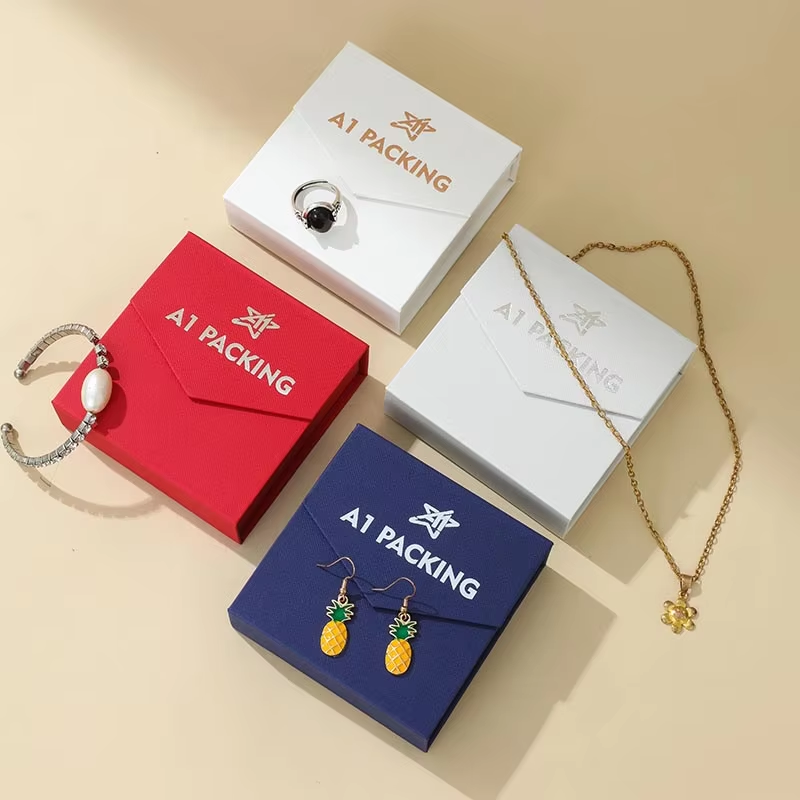
Избирането на подходящия пакетиране на ювелирни изделия опаковката за търговски операции изисква внимателно проучване на множество фактори, които влияят както върху възприятието на клиентите, така и върху ефективността на бизнеса. Правилното опаковъчно решение служи не само като защитна обвивка; то функционира като безмълвен продавач, който комуникира стойностите на бранда, предпазва ценни стоки и създава незабравими преживявания при отваряне на опаковката, насърчавайки повторни покупки. Търговците са изправени пред уникални предизвикателства при набавяне на опаковъчни материали, включително балансиране на разходите с очакванията за качество, съгласуване на естетичния апел с идентичността на бранда и осигуряване на практична функционалност през цялата верига за доставки. Разбирането на начина, по който системно се оценяват тези конкуриращи се приоритети, позволява на търговците на бижута да вземат обосновани решения, които подобряват представянето на продуктите, докато подкрепят оперативните цели и метриките за удовлетвореност на клиентите.
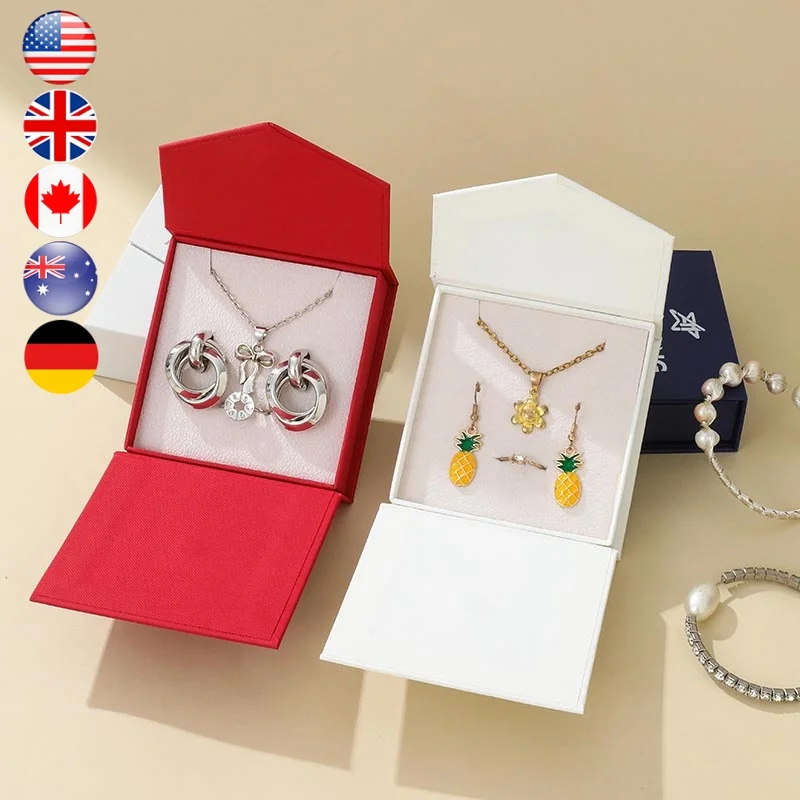
Процесът на избор на кутия за опаковане на бижута изисква стратегично оценяване на свойствата на материала, размерните спецификации, възможностите за персонализация и надеждността на доставчика. Търговските предприятия, продаващи бижута, трябва да вземат предвид как изборът на опаковка влияе върху управлението на складовите запаси, разходите за превоз, представянето при излагане и ангажиментите за екологична устойчивост. Различните категории бижута изискват различни подходи към опаковането, като колиета, пръстени, обеци и гривни имат всяко свои специфични пространствени и защитни изисквания. Освен това самият търговски контекст формира решенията за опаковане, тъй като традиционните търговски обекти поставят акцент върху различни атрибути в сравнение с електронната търговия или канали за дистрибуция на едро. Това изчерпателно ръководство анализира ключовите критерии за вземане на решения, които търговците на бижута трябва да имат предвид при избора на решения за опаковане, съответстващи на оперативните изисквания, позиционирането на марката и очакванията на клиентите в различните търговски среди.
Разбиране на критериите за избор на материали за опаковъчни кутии за бижута
Оценка на картонени и хартиени материали
Опциите за картонени опаковъчни кутии за бижута доминират в търговските приложения поради благоприятното съотношение между разходи и производителност, както и поради широките възможности за персонализация. Дебелината на материала, измервана в грама на квадратен метър или в точки (caliper), пряко влияе върху структурната устойчивост и възприеманото качество. Търговците трябва да оценяват плътността на чипборда в диапазона от 350 gsm до 1200 gsm, в зависимост от стойността на бижутата и изискванията за защита. По-плътният картон осигурява по-висока устойчивост към натискови повреди по време на транспортиране и подреждане, докато по-леките материали намаляват транспортните разходи и екологичния им отпечатък. Възможностите за повърхностна обработка — включително матова, лъскава, текстурирана и специални покрития — влияят както върху естетичния вид, така и върху тактилното усещане, като създават възможности за диференциация в конкурентни търговски среди.
Конструкциите на кутии за опаковане на бижута от хартия предлагат предимства във връзка с рециклирането, които отговарят на растящата екологична осведоменост на потребителите. Вариантите от крафт хартия подчертават естествена, екологично чиста позиция на брендовете, подходяща за съвременни линии бижута, насочени към демографски групи, ориентирани към устойчивост. Покритият картон осигурява висококачествено възпроизвеждане при печат за детайлирани графики и комуникация на брендовото послание, докато непокритите материали предоставят органичен текстурен ефект, който предава занаятчийска автентичност. Търговците трябва да оценяват свойствата на материалите по отношение на устойчивостта към влага, особено при условия на съхранение с колебания на влажността, които могат да компрометират структурната устойчивост. Ламинираните варианти подобряват издръжливостта и устойчивостта към вода, без значително да увеличават разходите за материали, като осигуряват балансирана производителност за приложения в средния сегмент на търговията с бижута.
Разглеждане на опции за твърди кутии и премиум материали
Твърди опаковъчни кутии за бижута с конструкции, използващи обвит картон, осигуряват премиална презентация, подходяща за търговия с висококачествени бижута. Тези конструкции имат отделно произведени капаци и основи, които създават значително тактилно усещане за тежест и възприятие на лукс. Материалите за обвиване варират от специални хартии до тъканни покрития, включително коприна, кадифе и кожен материал, като всеки от тях предава различна маркова индивидуалност и очаквания относно ценовата категория. Търговците, които позиционират своите продукти в премиалните пазарни сегменти, трябва да отдадат приоритет на твърдите опаковъчни кутии, тъй като те оправдават по-високите цени на бижутата чрез подобрен опит при разопаковането. Производствената сложност на твърдите кутии обикновено изисква минимални поръчки между 500 и 1000 бройки, което налага внимателно прогнозиране на търсенето и планиране на запасите.
Алтернативните премиум материали, включително дърво, акрил и метал, предлагат изключителна диференциация за специализирани търговци на бижута, които търсят отличаващи се опаковъчни решения. Дървените кутии подчертават наследството на занаятчийското изкуство и естествената елегантност, особено ефективни за колекции от винтажни или ръчно изработени бижута. Акриловите конструкции осигуряват модерна прозрачност, която демонстрира бижутата, докато ги защитава – идеални за съвременната минималистична търговска естетика. Металните кутийки и кутии осигуряват издръжливост за комплекти бижута за пътуване и функционална повторна употреба, която разширява присъствието на марката след първоначалната покупка. Всяка категория премиум материали изисква оценка на сложността при набавяне, ограниченията за персонализация и структурата на разходите, които значително надвишават тези при стандартните картонени опции, което прави тяхното използване стратегически, а не автоматични решения.
Оценка на материали за вложки и вътрешни системи за защита
Вътрешните компоненти на кутията за опаковане на бижута критично влияят върху защитата на продукта и ефективността на представянето му. Пяновите вставки осигуряват персонализирана амортизация, която фиксира бижутата по време на транспортиране и предотвратява повреди, причинени от движение. Пяната от ЕVA осигурява превъзходна амортизация на удари и може да се изреже с матрица според точните контури на бижутата, създавайки професионален визуален ефект при излагането им. Велурът и замшеният флокинг подобряват възприеманата луксозност и осигуряват меки контактни повърхности, които предпазват деликатните повърхности от драскотини. Търговците трябва да оценят разходите за материали за вставките спрямо стойността на бижутата, като гарантират, че инвестициите в защита са съразмерни с потенциалния риск от загуби поради повредени стоки.
Структурираните системи за вставки, използващи формована пулпа, термоформовани пластмасови или инжекционно формовани компоненти, осигуряват повтаряемо позициониране за стандартизирани бижута. Тези инженерни решения гарантират последователна презентация в множество единици и подпомагат еднородността на бранда в търговските витрини и при фотографирането за електронна търговия. Вставките от кадифе или коприна създават елегантна презентация за пръстени и обеци, като в същото време запазват стопанска ефективност за масовите търговски операции. Изборът между рохкави амортизиращи материали и структурирани системи за вставки зависи от сложността на бижутата, търговските ценови нива и изискванията към оперативното обращение по цялата верига на разпределение. Ефективният избор на вставки балансира защитната функционалност с подобряването на усещането при отваряне на опаковката и практическия аспект на управлението на складовите запаси.
Определяне на размера и размерните спецификации за търговските операции
Съгласуване на размерите на кутиите с категориите бижута
Правилната размерна спецификация за кутия за опаковане на бижута започва с точното измерване на бижутата и вземането под внимание на изискванията към вътрешните вставки. Кутиите за пръстени обикновено имат квадратна форма с размери между 40–55 мм и височина от 30–40 мм, което осигурява компактни габарити, минимизиращи отпадъците от материала, при това гарантирайки достатъчно място за представяне. Опаковането на обеци изисква внимателно преценяване на дължината на куките и елементите, които висят, като често срещаните размери варират от 50–80 мм по ширина и от 70–120 мм по височина, в зависимост от стила на обеците. Кутиите за колиета изискват по-дълги правоъгълни форми, обикновено с дължина от 160–220 мм, за да поберат веригите без излишно сгъване, което води до риск от заплитане.
Спецификациите за опаковъчните кутии за гривни трябва да вземат предвид обиколката и механизма за закопчаване, които определят минималната вътрешна дължина. Стандартните кутии за гривни имат размери от 80–100 мм (квадратни) за стиловете браслети и от 180–200 мм дължина за верижни гривни, които изискват линейно представяне. Комплектите от бижута, съдържащи няколко елемента, изискват по-големи многокомпонентни кутии или координирани кутийни комплекти, които запазват последователно естетическо представяне на всички компоненти. Търговците трябва да разработят стандартизирани матрици на размерите, съгласувани с категориите на наличността, за да се възползват от предимствата при търсене на голямо количество и да опростят отношенията с доставчиците. Стандартизирането на размерите също улеснява планирането на витринни приспособления и оптимизирането на търговското пространство, като създава оперативни ефективности, които надхвърлят само разглеждането на разходите за опаковане.
Оптимизиране за ефективност при превоз и складиране
Оптимизирането на транспортните разходи изисква размерите на кутиите за опаковане на бижута да максимизират ефективността на транспортната опаковка, като същевременно запазват защитната си цялост. Кутиите трябва да се подреждат ефективно в стандартните размери на транспортните картонени кутии, за да се минимизира необходимостта от пълнител и да се намалят таксите за обемно тегло. Търговците чрез електронна търговия особено извлекат полза от компактното опаковане, което отговаря на изискванията за изпращане чрез писмовна поща или малки пакети, което значително намалява разходите за изпълнение на поръчката на единица. Формулата за обемно тегло, използвана от превозвачите, изчислява транспортните разходи въз основа на обема на пакета, поради което прекалено големите кутии за ювелирни изделия са финансово непредпочитани, дори когато физическото тегло остава минимално.
Ефективността на съхранението и управлението на запасите зависи от размерите на кутиите за опаковане на бижута, които се стабилно подреждат една върху друга и използват складовото пространство ефективно. Еднаквите височини на кутиите осигуряват последователни конфигурации на рафтовете и предотвратяват губенето на вертикално пространство в системите за съхранение. Правоъгълната основа на кутиите трябва да съответства на стандартната дълбочина на рафтовете и размерите на контейнерите, които са разпространени в складовете на бижутерии. Търговците, които работят на множество локации, имат полза от стандартизирани размери на опаковките, тъй като те улесняват прехвърлянето на запаси и гарантират последователно представяне във всички канали за продажби. При избора на размерите на кутиите трябва да се вземат предвид не само непосредственото прилягане към продукта, но и по-нататъшното му обработване в рамките на дистрибуционните мрежи, операциите по пратки и крайното съхранение от страна на клиента, което влияе върху задоволството и вероятността от повторна поръчка.
Удовлетворяване на изискванията за излагане и представяне
Съображенията за търговското излагане влияят върху избора на размерите на кутиите за опаковане на бижута за продукти, предлагани в оригиналното си опаковане. Подредбата за излагане на тези изисква кутии с устойчиво основание, които предотвратяват преобръщане и запазват подреден външен вид по време на разглеждане от клиентите. Витрините за излагане налагат ограничения по височина, които определят максималните размери на кутиите за продукти, предназначени за търговско излагане в стъклени шкафове. Някои дизайн-решения за кутии за опаковане на бижута включват прозрачни прозорци или пълна видимост на капака, което изисква планиране на размерите така, че бижутата да се показват оптимално, без да се компрометира структурната им цялост.
Очакванията за поднасяне на подаръци създават размерни изисквания, които надхвърлят основното съдържане на продукта. Клиентите възприемат по-големите кутии като по-премиум и по-подходящи за подарък, което поражда напрежение между минимизирането на материалния разход и максимизирането на възприеманата стойност. Търговците трябва да балансират тези конкуриращи се фактори въз основа на позиционирането по цена и очакванията на целевата клиентска група. Сезонните периоди за подаръци могат да оправдаят леко по-големи размери на опаковката, които подобряват визуалното впечатление по време на пиковите периоди на покупки. Размерната стратегия трябва да отговаря на позиционирането на марката – люкс търговците обикновено приемат по-големи кутии, които предават щедрост, докато операциите, фокусирани върху стойността, приоритизират ефективността и контрола върху разходите чрез минимизиране на употребата на материали и оптимизирани размери.
Оценка на възможностите за персонализация и интеграция на брандиране
Избор на методи за печат и нива на качество
Възможностите за печат директно влияят върху това колко ефективно кутията за опаковане на бижута комуникира идентичността на марката и информацията за продукта. Офсетната печатна технология осигурява превъзходна точност на цветовете и възпроизвеждане на детайли за сложни графики, фотографски изображения и градиентни ефекти. Този метод на печат става икономически изгоден при тиражи над 1000 бройки поради разходите за създаване на печатни плочи, което го прави идеален за установени търговци на бижута с предвидим оборот на наличностите. Цифровата печатна технология позволява по-малки тиражи с по-ниски разходи за подготвителни работи, осигурявайки гъвкавост за колекции с ограничено издание или за нови брандове, които тестват пазарната реакция, преди да се ангажират с големи запаси.
Оценката на качеството на печата изисква проверка на цветовата последователност, точността на регистрацията и остротата на детайлите в различните производствени серии. Търговците трябва да поискат печатни проби върху действителните производствени материали, а не само цифрови доказателства, тъй като характеристиките на основния материал оказват значително влияние върху окончателния външен вид. Съответствието с цветовата система Pantone гарантира последователност на брендовите цветове в различните производствени серии и върху различни материали, което поддържа цялостността на визуалната идентичност. Специалните печатни техники — включително фолиране, релефно тиснене, контурно тиснене и локално UV-покритие — създават тактилна диференциация, която повишава възприетото качество. Тези усъвършенстващи методи увеличават разходите с 15–40 % в зависимост от площта на покритието и сложността им, което изисква стратегическо прилагане върху повърхностите на кутиите за опаковане на бижута, за да се максимизира въздействието върху клиента по време на ключови моменти на вземане на решение.
Проектиране на елементи за комуникация на бранда
Ефективният дизайн на опаковъчните кутии за бижута интегрира елементи на идентичността на марката, включително лога, типография, цветови схеми и послания, които подсилват позиционирането на марката на пазара. Външните повърхности функционират като компактни маркетингови платформи, които комуникират личността на марката още преди клиентите да взаимодействат със самите бижута. Минималистичните дизайни със субтилно разположени елементи на марката предават модерна изтънченост, докато изящните орнаменти и метални акценти подчертават традиционната люкс-ориентация. Търговците трябва да гарантират, че визуалният дизайн съответства на категориите стилове на бижутата и предпочитанията на целевата демографска група, като създават хармонични бранд-опити по всички точки на контакт между продукта и опаковката.
Възможностите за дизайн на вътрешната повърхност разширяват разказването на бранда и подобряват усещането при отваряне на опаковката, което води до споделяне в социалните медии и положително отношение от страна на клиентите. Напечатаните съобщения върху вътрешните повърхности на капаците създават моменти на откритие и лична връзка. Печатането на инструкции за грижа, елементи за потвърждение на автентичността и текстове, разказващи брандовата история, превръщат опаковката в информационен ресурс, който добавя стойност за клиента, надхвърляща функцията ѝ само като съдържател. QR кодове, свързани с цифрово съдържание – включително съвети за стил, истории за дизайнерите или регистрация на гаранция – удължават взаимодействието далеч извън физическата опаковка. Стратегическият дизайн на вътрешността на компонентите на опаковката за бижута балансира предаването на информация с естетическа чистота, избягвайки претрупания вид, който намалява възприятието за люкс.
Внедряване на устойчиви брандови стратегии
Екологичната устойчивост все повече влияе върху решенията за закупуване на бижута, което превръща избора на материали за опаковки и съобщенията в стратегически възможности за диференциация на марката. Опциите за кутии за бижута от рециклиран картон позволяват ясни твърдения за екологична устойчивост, които намират отзвук сред потребителите с екологична насоченост. Търговците трябва да вземат предвид сертификационни знаци, включително FSC, PEFC или проценти на рециклирано съдържание, които предоставят независима трета страна за валидиране на екологичните твърдения. Минималистичните подходи към опаковките, които намаляват използването на материали, без да компрометират адекватната защита, съчетават позиционирането в областта на устойчивостта с намаляване на операционните разходи, създавайки съгласувани стимули.
Съобщенията за повторна употреба превръщат кутиите за опаковане на бижута в дългосрочни брандови амбасадори, а не в еднократни контейнери. Дизайнерски елементи, които насърчават вторични приложения за съхранение – като чанти за пътуване, кутии за организиране или кутии за подаръци – удължават жизнения цикъл на опаковката и запазват брандовото присъствие в средата на клиентите. Ясната комуникация на правилните процедури за рециклиране и състава на материала улеснява отговорното изхвърляне, когато опаковката достигне края на своя жизнен цикъл, което демонстрира ангажимента на бранда далеч зад първоначалната транзакция. Стратегиите за устойчиво опаковане изискват автентичен избор на материали, който издържа на критичен анализ, тъй като обвиненията в „зелена пропаганда“ нанасят по-сериозни щети на брандовата достоверност, отколкото липсата на екологични съобщения. Интегрирането на устойчивостта в процеса на избор на кутии за опаковане на бижута отразява по-широки брандови ценности, които все повече влияят върху лоялността на клиентите и техните покупателни решения в различните сегменти на бижутерийния ритейл.
Анализ на възможностите на доставчиците и факторите за партньорство
Оценка на стандартите за качество и последователност в производството
Изборът на доставчици за кутии за опаковане на бижута изисква задълбочена оценка на системите за контрол на качеството в производството и на доказаната последователност в изпълнението. Търговците трябва да поискат производствени проби от реални производствени серии, а не търговски проби, които може да не отразяват типичното качество на продукцията. Спецификациите за допустими отклонения по размери стават критични, когато компонентите на кутиите за опаковане на бижута трябва да се монтират точно с вградени елементи или в няколко нива (вложени конфигурации). Приемливите граници на допустимите отклонения обикновено са в диапазона ±1–2 мм за стандартни търговски приложения, като за системи с прецизно прилягане на вградените елементи или при интеграция с автоматизирани опаковъчни машини се изискват по-строги спецификации.
Последователността на качеството в различните производствени серии определя експлоатационната надеждност и еднаквостта на потребителския опит. Търговците трябва да проучат сертификатите на доставчика за управление на качеството, включително ISO 9001 или отраслови стандарти, които потвърждават системни контроли върху качеството. Еднаквостта на цвета между отделните производствени серии влияе върху представянето на марката и изисква доставчици с калибрирано печатно оборудване и документирани процедури за съвпадане на цветовете. Докладите от физически изпитания за устойчивост на натисково натоварване, излагане на влага и стареене предоставят обективни данни за експлоатационните характеристики, които подкрепят дългосрочните отношения с доставчиците. Доставчиците, които предлагат услуги за инспекция от трета страна или верификация на качеството преди изпращане, намаляват риска от дефекти, които водят до скъпи върнати стоки и недоволство сред клиентите.
Оценка на минималните количества за поръчка и сроковете за изпълнение
Изискванията за минимално количество за поръчка фундаментално формират стратегиите за набавяне на кутии за опаковане на бижута и нивата на инвестиции в запаси. Стандартните прагове за минимално количество за поръчка (MOQ) варираха от 500 бройки за прости печатани дизайн-решения до 3000 бройки за сложни персонализирани конструкции със специализирани материали. Търговците трябва да намерят баланс между предимствата от отстъпките при поръчки на по-големи обеми и разходите за поддържане на запаси, както и рисковете от остаряване на стоката поради промени в дизайна или сезонни колебания. Новите брандове на бижута с ограничени финансови ресурси често се изправят пред трудности при изпълнението на изискванията за минимално количество за поръчка, което налага използването на стандартизирани налични опаковки или сключването на партньорски договори с други търговци, за да се агрегират обемите на поръчките.
Времето за производство влияе върху циклите на планиране на запасите и оперативната гъвкавост. Поръчките за стандартни кутии за опаковане на бижута обикновено изискват 15–25 дни за производство плюс времето за транзит при доставка. Изработването на персонализирани форми за специални размери или механизми за затваряне удължава сроковете за изпълнение с 7–14 дни за първоначалните поръчки. Услугите за ускорено производство предлагат съкратени срокове срещу допълнителни разходи, които варират между 20 % и 50 % над стандартните цени, осигурявайки авариен резервен вариант при недостиг на наличност или неочаквани вълни на търсене. Търговците, които управляват сезонен бизнес, трябва да планират сроковете за закупуване на опаковки в съответствие с периодите на най-високо продажбено търсене, като вземат предвид ограниченията в производствената мощност по време на високосезонните периоди, когато сроковете за изпълнение от доставчиците значително се удължават.
Преговори относно ценовата структура и условията за плащане
Структурите за ценообразуване на кутии за опаковане на бижута отразяват разходите за материали, сложността на производствения процес, обемите на поръчките и нивата на персонализация. Базовите цени за единица намаляват значително при по-големи обеми, което стимулира консолидираното поръчване и натрупването на запаси. Търговците трябва да поискат подробно разбивка на цените, в която са отделени разходите за материали, разходите за печат, таксите за изработка на шаблони и транспортните разходи, за да разберат факторите, определящи цената, и да идентифицират възможности за преговори. Такси за подготвителни работи за печатни плочи или шаблони за рязане обикновено варират между 150 и 500 щ.д., като се разпределят върху по-големи количества поръчки, за да се намали техният дял в цената за една единица.
Преговорите за условията на плащане влияят върху изискванията за работен капитал и динамиката на отношенията с доставчиците. Стандартните условия включват депозит от 30 % и остатъчна сума, подлежаща на плащане преди изпращането, което създава натиск върху паричния поток на търговците с продължителни цикли на оборот на запасите. Установените търговци със силна кредитна история могат да преговарят условия за плащане „нето-30“ или „нето-60“, които уравняват разходите за опаковка с реализацията на приходите. Разпоредбите за акредитив осигуряват сигурност за международните сделки и едновременно с това позволяват удължени срокове за плащане. Дългосрочните партньорски споразумения, които предлагат ангажименти за обеми в замяна на предпочитателни цени и резервирана производствена мощност, са от полза за търговците с предвидими изисквания към опаковъчни кутии за бижута. Прозрачната комуникация относно проекциите за растеж и сезонните модели на търсенето помага на доставчиците да оптимизират производственото планиране, като едновременно осигурява на търговците надеждни партньори в веригата за доставки, които подкрепят разширяването на бизнеса.
Внедряване на практически протоколи за тестване и оценка
Провеждане на физическо защитно и издръжливостно тестване
Комплексната оценка на опаковките за бижута изисква системно физическо тестване, което симулира реални условия на разпределение и обработка. Тестването при падане от височина 75–100 см върху твърди повърхности разкрива структурни слабости и надеждността на системата за затваряне при въздействие на ударни сили. Тестването на компресия с калибрирани тегла симулира натоварванията от натрупване по време на складиране и транспортиране, като идентифицира граничните стойности за устойчивост срещу сплескване. Търговците трябва да провеждат тези тестове с истински бижута, поставени в опаковките, за да се оцени цялостната ефективност на системата за защита, а не само на празната опаковка. Документирането на протоколите и резултатите от тестването създава обективни критерии за сравнение на доставчиците и за установяване на стандарти за качество и приемане.
Тестовете за излагане на външна среда оценяват производителността на опаковките за бижута при температурни колебания, промени във влажността и излагане на светлина, които възникват по време на транспортирането по дистрибуционните канали. Тестовете за ускорено стареене, при които опаковките се излагат на повишени температури и нива на влажност, предвиждат производителността при дългосрочно съхранение и идентифицират рисковете от деградация на материала. Тестовете за устойчивост на цвета при излагане на ултравиолетови лъчи предотвратяват избледняването, което компрометира външния вид на продукта при търговското му излагане. Оценката на устойчивостта към влага определя дали опаковката запазва структурната си цялост по време на съхранение в необслужвани климатично помещения. Тези тестови протоколи са особено важни за търговци, които изпращат стоки международно през множество климатични зони или съхраняват инвентара си в складови съоръжения с променливи екологични условия.
Събиране на обратна връзка от клиентите и анализ на информацията за употреба
Проучването на възприятието на клиентите предоставя безценно ръководство за избора на кутии за опаковане на бижута, което излиза извън техническите спецификации и факторите, свързани с цената. Фокус групите, които анализират алтернативни опаковки, разкриват емоционални реакции и асоциации с възприеманото качество, които влияят върху решението за покупка. Тестовете тип А/В с различни опаковъчни варианти в търговски среди измерват реалното въздействие върху продажбите и предпочитанията на клиентите при истински транзакционни условия. Анкетите след покупката, чрез които се събира обратна връзка относно опита от разопаковането, удовлетвореността от представянето на подаръка и поведението по отношение на повторната употреба, осигуряват информация за итеративни подобрения на опаковката.
Мониторингът в социалните медии идентифицира органични коментари от клиенти относно опаковката, включително видеа с разопаковане, снимки на подаръчно поднасяне и дискусии за устойчивост. Тези непоръчани отзиви от клиенти разкриват автентични реакции и модели на използване, които структурираните проучвания често пропускат. Търговците трябва да следят заявките за клиентско обслужване, свързани с опаковката, за да идентифицират практически проблеми – например трудности при отваряне на кутии, недостатъчна защита, водеща до претенции за щети, или объркване относно отстраняването и рециклирането. Коефициентите на връщане на стоки, корелирани с типовете опаковки, показват дали нивото на защита отговаря на очакванията и разкриват възможности за намаляване на разходите при прекалено инженерни решения. Системното включване на обратната връзка от клиенти трансформира избора на кутии за опаковане на бижута от търговска операция в стратегическа оптимизация на клиентското изживяване.
Анализ на общата стойност на собствеността над цената за единица
Комплексният анализ на разходите за опаковки за бижута излиза отвъд цената на закупуване на единица и обхваща общите разходи за притежание през целия жизнен цикъл на продукта. Транспортните разходи се различават значително в зависимост от размерите и теглото на опаковката, като компактните дизайн решения намаляват разходите за превоз, което може да компенсира по-високите разходи за една единица. Нивото на щети е директно свързано с нивото на защита, осигурявана от опаковката; недостатъчната опаковка води до високи разходи поради замяната на повредени продукти и загуба на клиентското доверие. Разходите за труд при сглобяването на опаковките и поставянето на бижутата в тях зависят от сложността на кутията и оказват влияние върху оперативната ефективност и разходите за изпълнение на поръчки.
Разходите за поддържане на запасите отразяват капитала, замразен в опаковъчни материали, и складовото пространство, заето от громоздки или неефективно размерени кутии. Разходите за съответствие с екологичните изисквания, включително такси за рециклиране или данъци върху опаковките в определени юрисдикции, влияят върху общия разходен профил. Маркетинговата стойност, генерирана от премиални опаковки, които подобряват възприятието за бранда и насърчават споделянето в социалните медии, създава нематериални възвращения, които е трудно да се количествено измерят, но са стратегически значими. Търговците трябва да разработят модели за обща стойност, включващи всички категории разходи, теглени според бизнес приоритетите, за да се вземат обосновани решения, които балансират конкуриращите фактори. A кутия за опаковане на бижута опаковка, която струва с 20 % повече на единица, но намалява процентите на повреди с 50 % и генерира позитивно съдържание в социалните медии, осигурява по-висока обща стойност въпреки по-високата покупна цена. Стратегическият анализ на разходите позволява инвестиции в опаковки, които оптимизират бизнес резултатите, а не просто минимизират разходите за набавки.
Често задавани въпроси
Какви фактори най-силно влияят върху цената на кутиите за опаковане на бижута?
Основните фактори, определящи разходите при закупуването на кутии за опаковане на бижута, включват избора на материали, обема на поръчката, сложността на персонализацията и производствените процеси. Премиум материали като твърди картони, специални видове хартия и тъкани за облицовка значително увеличават разходите в сравнение със стандартните опции от картон. Обемът на поръчката силно влияе върху цената за единица: поръчки под 1000 броя обикновено водят до 40–60 % по-висока цена за единица в сравнение с поръчки над 3000 броя поради разпределянето на началните разходи за настройка. Елементите на персонализация — като многоцветна печатна графика, фолио-стампинг, релефно изпъкване и индивидуално изрязване с матрица — добавят допълнителни разходи в диапазона 15–50 % над цената на базовите печатни кутии. Местоположението на производството влияе върху ценообразуването чрез разликите в разходите за труд: производството в страната обикновено е по-скъпо, но предлага по-кратки срокове за изпълнение и по-лесна комуникация в сравнение с възможностите за производство в чужбина.
Как търговците могат да балансират целите си за устойчивост с ограниченията върху разходите за опаковки?
Търговците могат да постигнат устойчиви решения за опаковки на бижута в рамките на зададения бюджет чрез стратегичен подбор на материали и оптимизиране на дизайна. Възстановяем картон, произведен от рециклирано съдържание след употреба от крайния потребител, предлага екологични предимства при съпоставими цени или скромни надценки от 5–15 % спрямо първичните материали. Минималистичните дизайн подходи, които намаляват използването на материали и площта за печат, намаляват разходите, докато подкрепят комуникацията за устойчивост. Водните мастила и лепилата без разтворители осигуряват екологични предимства без значително увеличение на разходите в сравнение с конвенционалните алтернативи. Търговците трябва ясно да комуникират екологичните характеристики на продуктите си към клиентите, тъй като проучвания показват готовността им да приемат скромно повишаване на цените за потвърдени екологични ползи. Стандартизираните размери, които позволяват ефективно използване на материала, намаляват отпадъците по време на производството и оптимизират ефективността на доставките. Дългосрочните партньорства с доставчици позволяват съвместни иновации в областта на устойчивите решения, които балансират екологичната ефективност с търговската жизнеспособност.
Какви опции за персонализация работят най-добре за малки бижутерии с ограничени бюджети?
Малките търговци на бижута могат да постигнат ефективна диференциация на марката си чрез икономически ефективни стратегии за персонализация, които избягват високи минимални поръчки за големи обеми. Готовите дизайн-варианти на кутии за опаковане на бижута с възможност за прилагане на персонализирани етикети или стикери осигуряват индивидуализация без задължения за производство на специални поръчки. Цифровата печатна технология позволява по-кратки производствени серии, започващи от 250–500 бройки, с разумни разходи на единица за прости дизайни. Печат с един цвят или фолиране върху готови модели кутии създава идентичност на марката при умерени разходи. Персонализацията на вътрешността чрез фирмена хартия за опаковане, персонализирани вложки или печатани карти предлага достъпна индивидуализация, която клиентите забелязват по време на разопаковането. Търговците трябва да насочват приоритета си към елементи за персонализация, с които клиентите взаимодействат директно, а не към скъпи външни обработки, които може да останат незабелязани. Сезонното или ограничено издание на опаковки, използващи готови кутии със специални етикети, създава разнообразие без усложняване на управлението на запасите. Съвместните договори за покупка с допълващи се търговци позволяват агрегиране на обемите, за да се изпълнят минималните изисквания на доставчиците, като се споделят и разходите за производствени шаблони.
Колко често търговците трябва да оценяват и актуализират дизайна на кутиите за опаковане на бижута?
Циклите за оценка на опаковките за бижута трябва да осигуряват баланс между предимствата от последователността на бранда и нуждите от развитие на пазара и диференциация спрямо конкурентите. Повечето установени търговци на бижута провеждат комплексни прегледи на опаковките си на всеки 18–24 месеца, което позволява достатъчно време за амортизация на инвестициите в инструментариум и използване на наличните запаси, като се запазва съвременно пазарно значение. За сезонни колекции или ограничени издания може да се наложи по-честа промяна на опаковките в рамките на последователна брандова архитектура. Търговците трябва непрекъснато да следят обратната връзка от клиентите и да прилагат незабавни подобрения – например подобряване на вложките или актуализация на механизми за затваряне – веднага щом се появят проблеми, а не да чакат до следващия планов преглед. Значителна ребрендирана стратегия, разширяване в нови пазарни сегменти или стартиране на основни нови продуктни линии изискват незабавна оценка на опаковките, независимо от наличните запаси. Конкурентният мониторинг трябва да се извършва ежеквартално, за да се идентифицират пазарни тенденции и иновативни подходи към опаковките, които може да изискват оперативен отговор. Оптималната честота на оценка балансира последователността, която укрепва разпознаването на бранда, и гъвкавостта при реагиране на пазарните динамики и променящите се предпочитания на клиентите.
Съдържание
- Разбиране на критериите за избор на материали за опаковъчни кутии за бижута
- Определяне на размера и размерните спецификации за търговските операции
- Оценка на възможностите за персонализация и интеграция на брандиране
- Анализ на възможностите на доставчиците и факторите за партньорство
- Внедряване на практически протоколи за тестване и оценка
-
Често задавани въпроси
- Какви фактори най-силно влияят върху цената на кутиите за опаковане на бижута?
- Как търговците могат да балансират целите си за устойчивост с ограниченията върху разходите за опаковки?
- Какви опции за персонализация работят най-добре за малки бижутерии с ограничени бюджети?
- Колко често търговците трябва да оценяват и актуализират дизайна на кутиите за опаковане на бижута?